News
2026-09-24
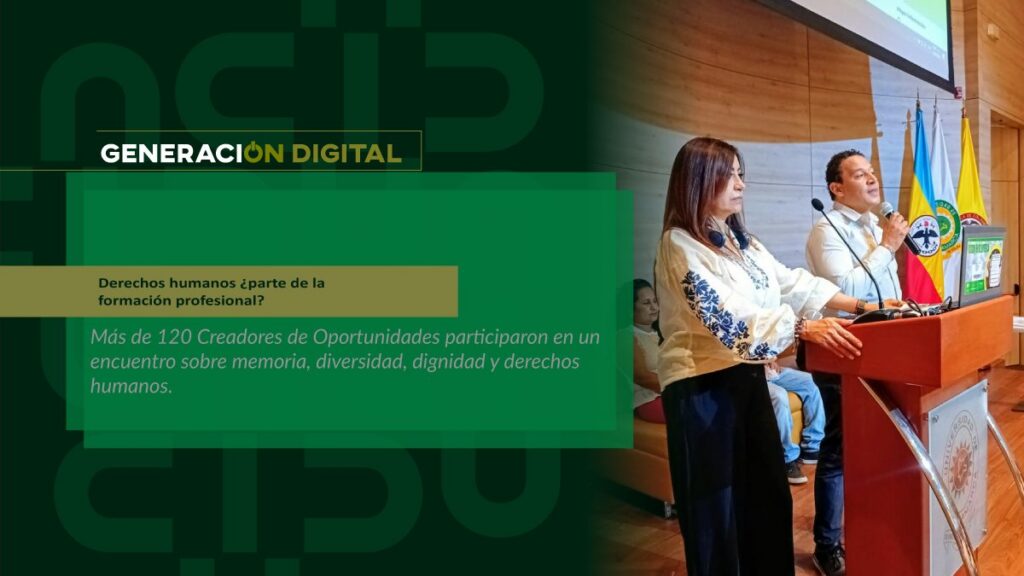
Human rights: part of professional training?
By: Alejandro García Suárez – Advisory Office of Communications



I am your virtual assistant, here to help you quickly and easily.
▲ Back to Top
By: Alejandro García Suárez – Advisory Office of Communications
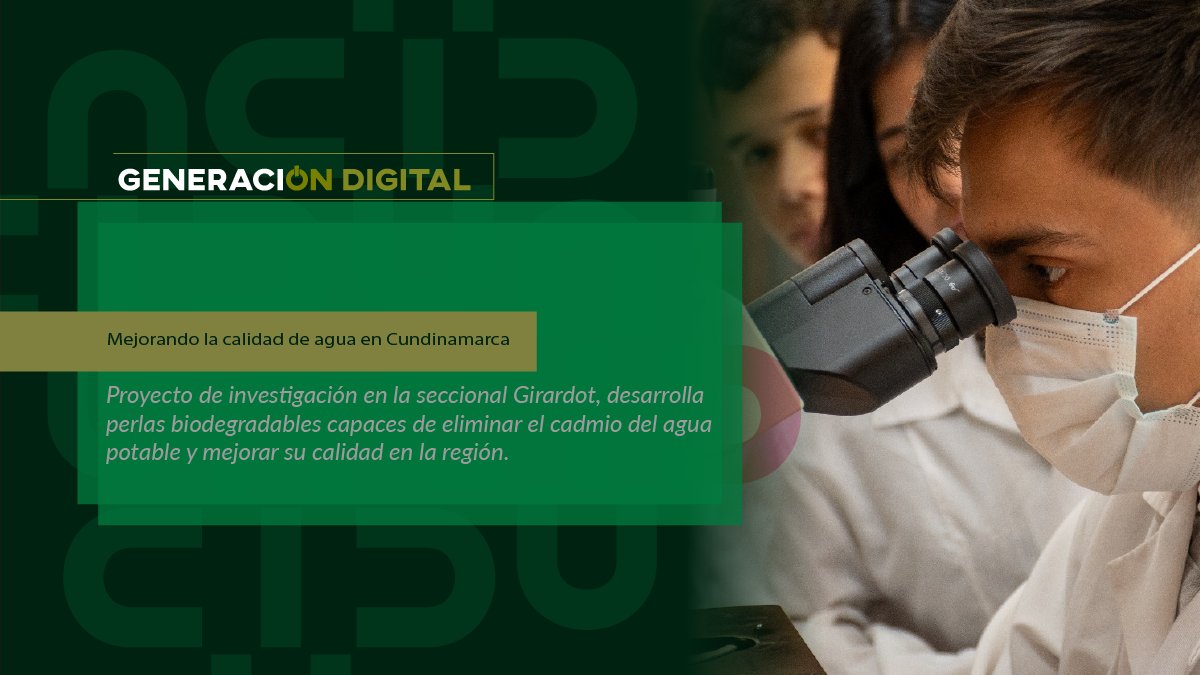
An innovative scientific project in Cundinamarca promises to transform the quality of drinking water in the region. Edgar Andrés Doncel Briñez, Knowledge and Learning Manager for the Environmental Engineering program in Girardot, is leading research focused on eliminating cadmium, a contaminant metal identified in some areas of Cundinamarca by the Colombian Geological Survey.
Doncel Briñez explains that “this project seeks to offer effective alternatives to conventional water treatment, which often generates harmful products and comes from non-natural sources.”.
The initiative aims to benefit communities exposed to pollutants such as heavy metals and to open new avenues of research from the University of Cundinamarca.
The innovative beads used in the treatment are composed of chitosan, magnetite, and titanium dioxide. Chitosan, a biodegradable biopolymer obtained from fishing industry waste, acts as a bioabsorbent that captures heavy metals such as cadmium through chemical interactions. Magnetite generates a magnetic field that facilitates water separation once the beads have absorbed the contaminants, while titanium dioxide helps break down other harmful compounds with the aid of light. Laboratory tests have shown an impressive removal capacity of nearly 100%.
Although the results are encouraging, the study will continue to evaluate the impact of the treatment on the properties of the water and to determine the maximum material removal capacity.
Doncel Briñez points out that "the use of biopolymers can create a strategic basis for new research and, if developed at an industrial level, could generate employment and offer alternatives to other polluting compounds.".
The project addresses five key aspects: public health, sustainable development, the economy, the environment, and social accessibility. The removal of cadmium, a toxic metal linked to kidney disease and cancer, aims to reduce exposure in Cundinamarca. Furthermore, it proposes a circular economy that utilizes fish waste, minimizing secondary pollution.
Mara Fernanda Pinilla, a fourth-semester Environmental Engineering student in Girardot, commented: “This project is a valuable opportunity to strengthen my knowledge of sustainable technologies applied to the treatment of contaminated water. It directly involves me in the search for real solutions to environmental problems that affect communities.”.
This project reaffirms the University of Cundinamarca's commitment to research and sustainable development, showing that science can be a powerful ally in improving people's quality of life.
Listen to our Podcast:
News
News
News
News