News
2026-09-24
Human rights: part of professional training?
By: Alejandro García Suárez – Advisory Office of Communications



I am your virtual assistant, here to help you quickly and easily.
▲ Back to Top
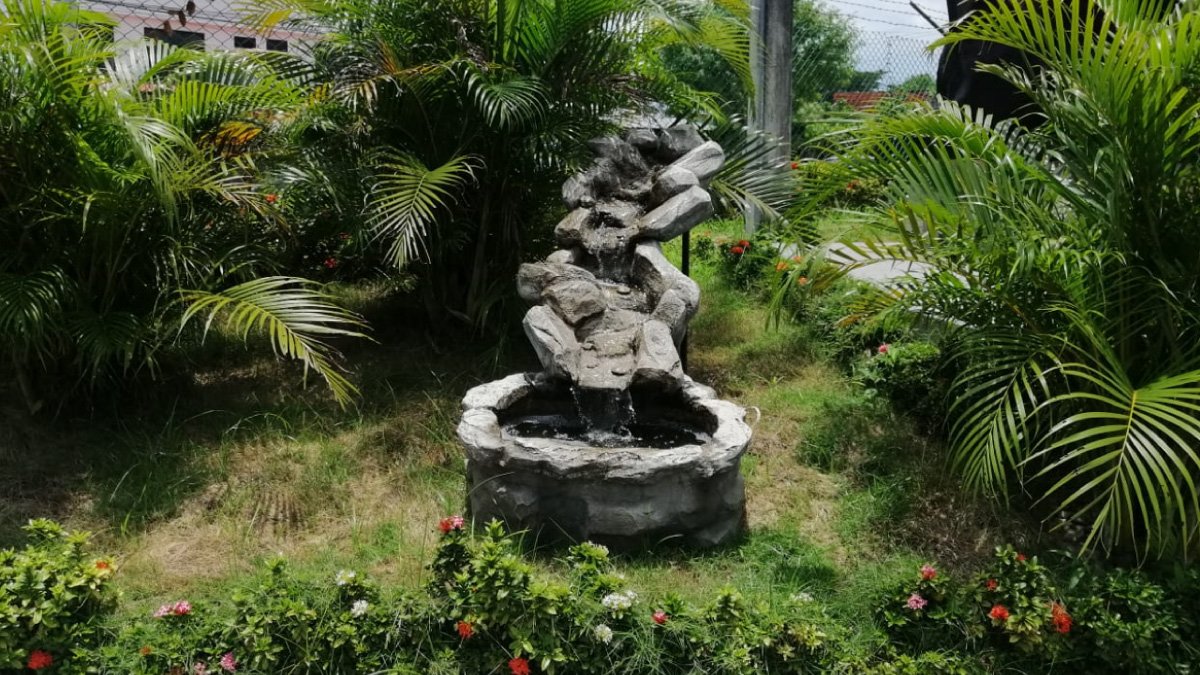
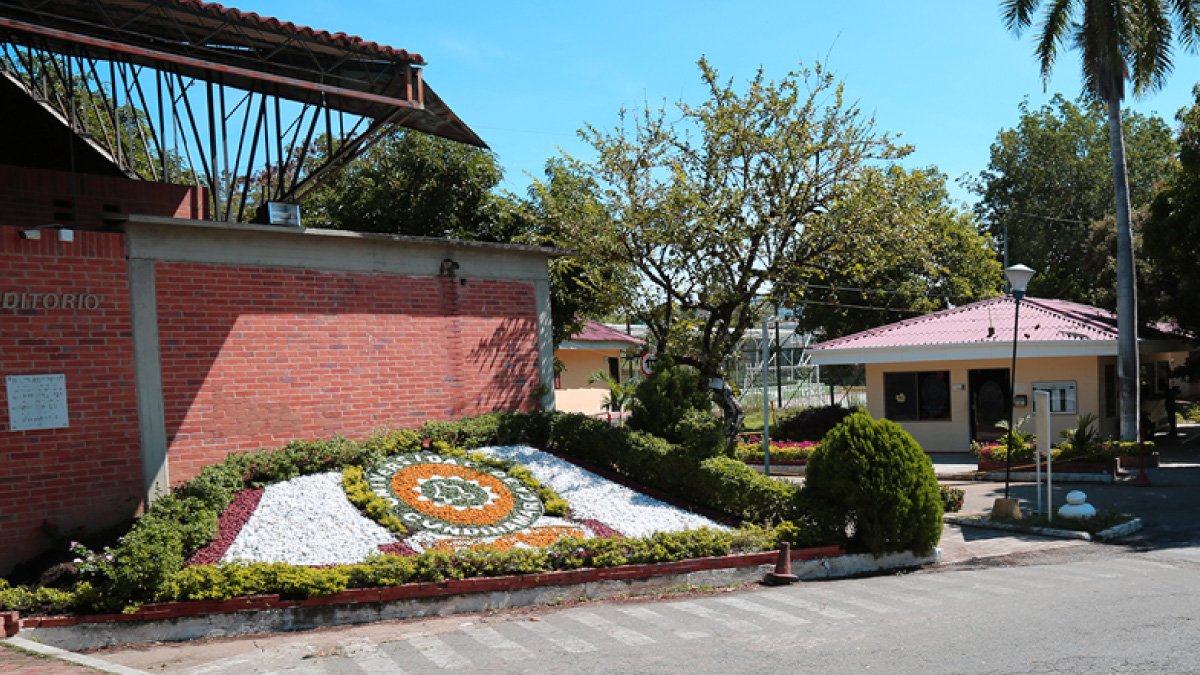
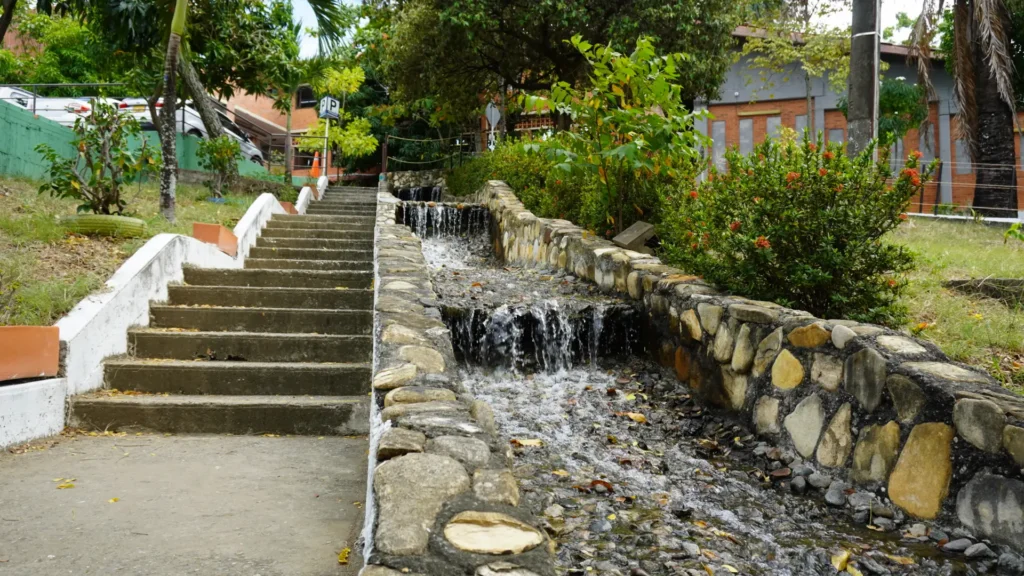
Fresh air, vegetation, natural light, and contact with plants are not only pleasant, but have proven benefits for physical and environmental well-being. For this reason, more companies worldwide are choosing to have these types of green spaces, and the UCundinamarca Girardot campus plays a vital role in their conservation.
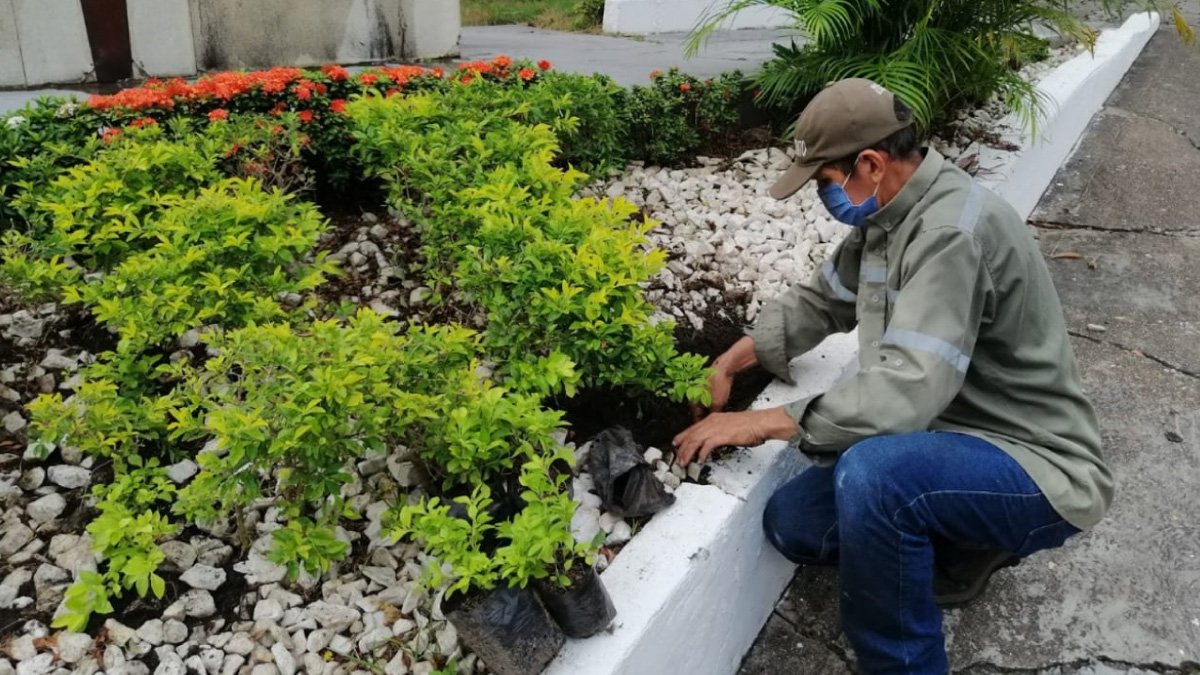
“The Girardot branch has many green spaces and, being aware of their importance, activities such as weed control, fertilization with compost produced in the branch itself, and maintenance pruning for height control, shaping, among others, are constantly carried out,” explained Edith Rossana Serrano Delgadillo, Environmental Management System professional for the branch.
The invitation extended by the SGA on this occasion is for the conservation and care of these areas, keeping in mind that they are for the common good. “At UCundinamarca, these green spaces are composed of herbaceous, shrubby, forest, and fruit-bearing plant species, which, like all living things, have a cycle and require care,” explained Sandra Milena León, coordinator of the SGA.
According to the WHO, these types of actions with the environment contribute to lowering heart rate, reducing inflammation, decreasing stress and mental fatigue, among other benefits.
Engineer León also explained that activities to conserve green spaces are fundamental to guaranteeing the ecosystem services provided by these green spaces, such as oxygen production, CO2 capture, temperature reduction, habitat for living organisms, and landscaping, as promoted by PIGA through the PUESE ecosystem services program.
How can we help with conservation?
“If you interact with a green space, take care of it and enjoy its services, promoting environmental culture codes with family and friends, going beyond the invitation to live in balance with nature,” said engineer Serrano.
The Girardot branch has a greater number of green areas because the climate and infrastructure allow it; however, the invitation to conserve green spaces is not only within the University, but in all cities, and in this way promote the care of these micro lungs that bring well-being.
It is important to note that the production and use of chemical substances has increased, and with it, their impact on the environment. We can find chemical substances in the air, water, soil, and in the food we eat. Therefore, these are elements that we can absorb through our respiratory system. But they can also enter our bodies through the digestive system or through the skin, hence the importance of everyone working together to reduce the use of chemicals in order to decrease environmental pollution caused by chemicals.
Similarly, water can be contaminated by pollutants, which then reach humans and affect their health. Therefore, caring for water is caring for our health and the health of future generations.
In that sense, the entire university community is invited to live in balance with nature to preserve our health.
News
News
News
News