News
2026-09-24
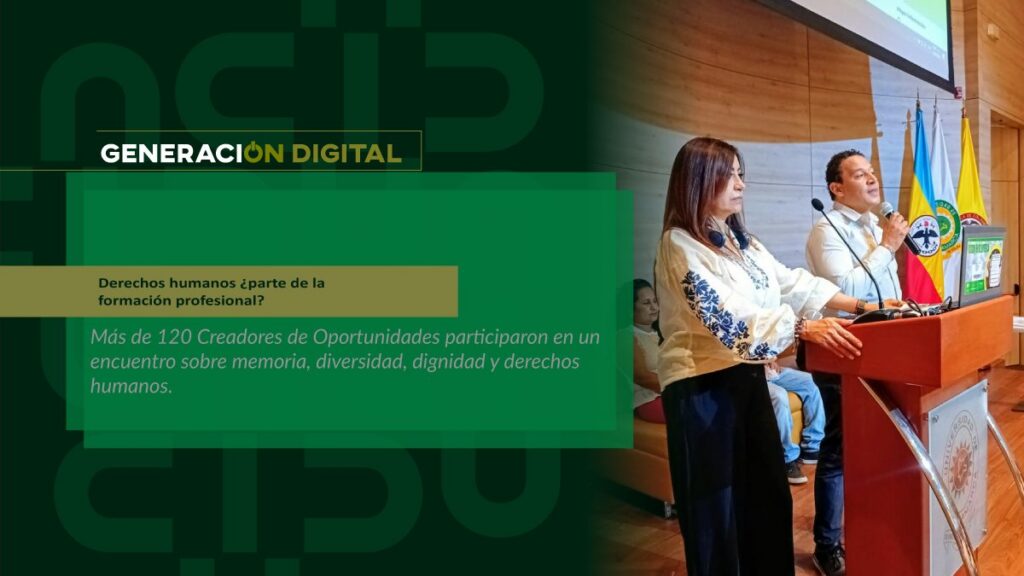
Human rights: part of professional training?
By: Alejandro García Suárez – Advisory Office of Communications



I am your virtual assistant, here to help you quickly and easily.
▲ Back to Top

Not all victims of gender violence dare to report it, not all aggressors recognize their problem, in Colombia more and more women are dying from this type of scourge, undoubtedly another unaddressed mental health problem.
However, final-year Psychology students Erika Moreno, Jennifer López, and Gabriela Maza discussed the topic on the radio program Psiconectados in order to raise awareness, make visible, and thus prevent this problem, as well as dismantle the excuses that many victims or perpetrators make every time this topic, so relevant to families, is addressed.
From the field of legal psychology, the students explained what violence is and how to identify it. “On many occasions, women consider that what they experience in their homes is not violence, and in many cases they feel guilty about the situations they experience,” explained Gabriela Maza.
It is important to emphasize that gender violence is anything considered violence against gender due to its inherent characteristics, that is, when a man or a woman is subjected to or abused because of their sexual orientation.
Physical and sexual harm is a public health problem; from the field of psychology, victims, aggressors, and in many cases their family members are treated, such as the children of women who have been murdered or abused.
What are we up against?
According to student Jennifer López, it is important to know what each type of violence entails:
Sexual violence: when a partner is forced to have sexual relations
Psychological and economic: when someone is attacked, intimidated, manipulated or threatened due to different situations or economic status.
Physical: This is when there is already a physical attack or damage to the person's integrity.
In any of the above cases, you can file a complaint and request psychological support.
A cyclical problem
According to the students in the radio interview, it is important to consider the stage of the relationship. “It is a problem that has been identified as cyclical, with different stages in which psychological attention differs,” said Erika Moreno, explaining each stage:
1- Accumulation of tension and irritability, the aggressor blames his partner for the things that happen, even for his anger, lets her know that he is not happy with her behavior, intimidates her and demands from her.
2- At this stage the aggressor begins to punish or subdue the victim and considers what he must do to make things better and feel good.
3- As a result of the previous stage, a distancing or separation occurs.
4- The stage arrives where guilt and regret become evident
5- There is a reconciliation and an apparent change, they live a "honeymoon", however there may be unease, but there is trust.
6- There is a trigger that makes them start the cycle of abuse again.
Professional help
Legal psychologists participate in risk assessments and provide support to victims of violence. They also offer preventative information. “It’s important to talk to people about what gender-based violence is, how to prevent it, and also about expressing affection,” explained Jennifer López.
Likewise, the students from Cundinamarca explain the importance of preventive interventions in schools and offer training and guidance, services and support for the recovery of people who suffer or have suffered from this scourge.
“Working with the population is extremely important because it identifies an indifference and helplessness; when they are attacked, they think they have failed and that they can no longer do anything to solve things, and that there is no point in separating or reporting it,” explained Gabriela Maza, a future psychologist.
Warning signs
The students listed some of the warning signs that can indicate that a woman is being abused:
· Has low self-esteem
· She feels like a failure as a woman and a mother
· He fears for his own life
· She believes that no one can help her solve her problem
• He/She feels responsible for his/her aggressor's behavior
At the end of the course, the future psychologists from UCundinamarca acknowledge that many women tend to deny that they have been abused, and abusers underestimate what happened, attributing their behavior to stress, substance use, or personality traits.
They encourage reporting to the helplines 123, 155 or 122.
Cundinamarca radio station · Gender Violence and Types of Aggressors
News
News
News
News