News
2026-09-24
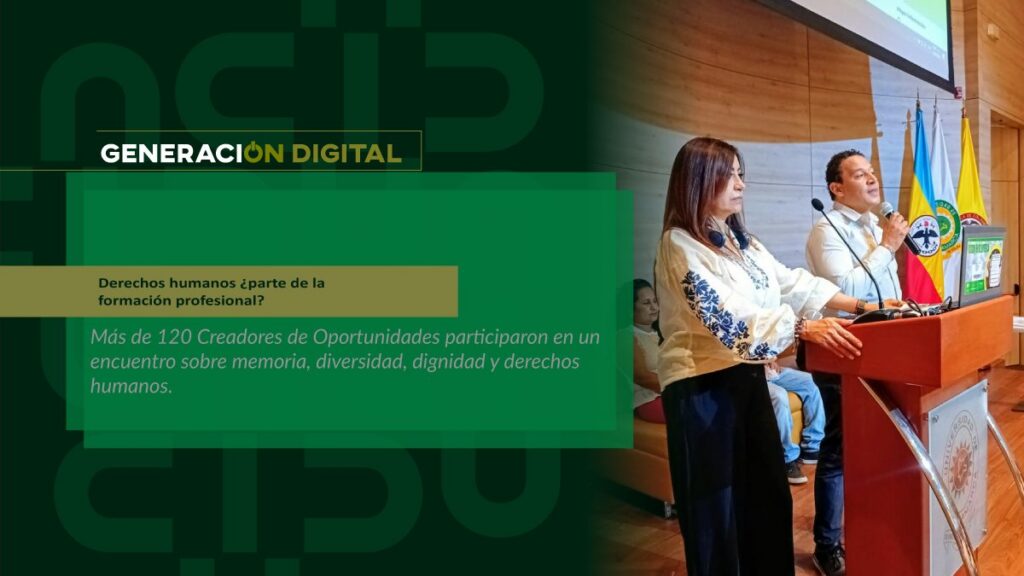
Human rights: part of professional training?
By: Alejandro García Suárez – Advisory Office of Communications


I am your virtual assistant, here to help you quickly and easily.
▲ Back to Top
By: Alejandro García Suárez – Advisory Office of Communications
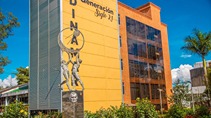
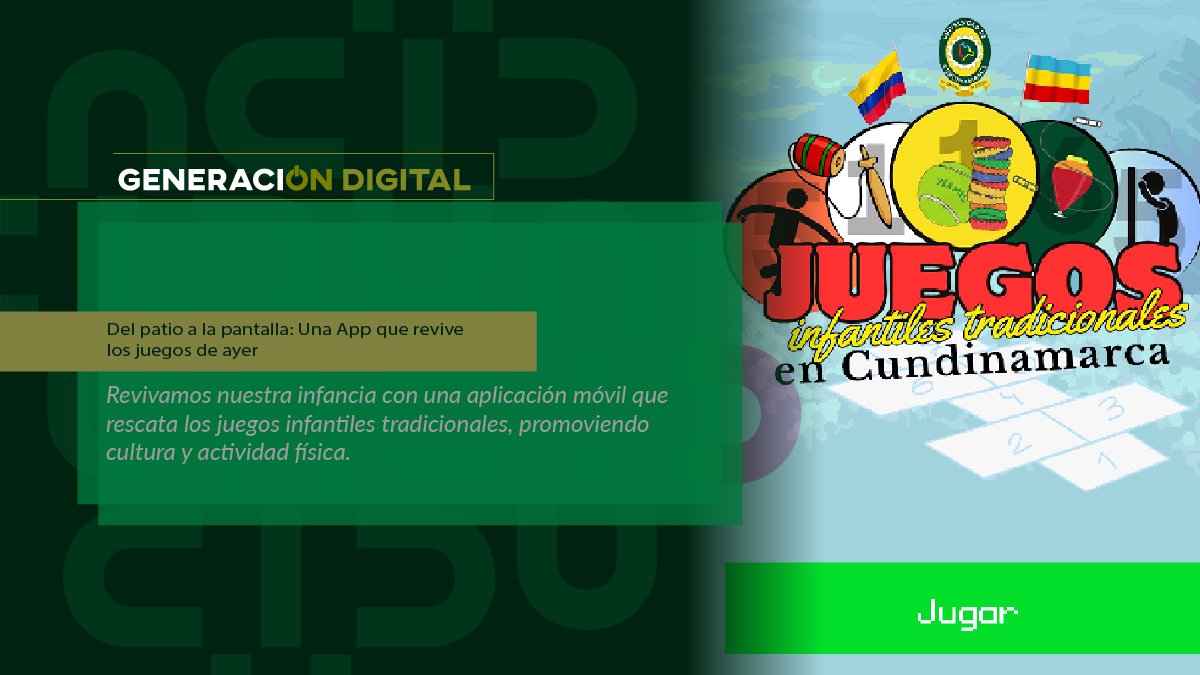
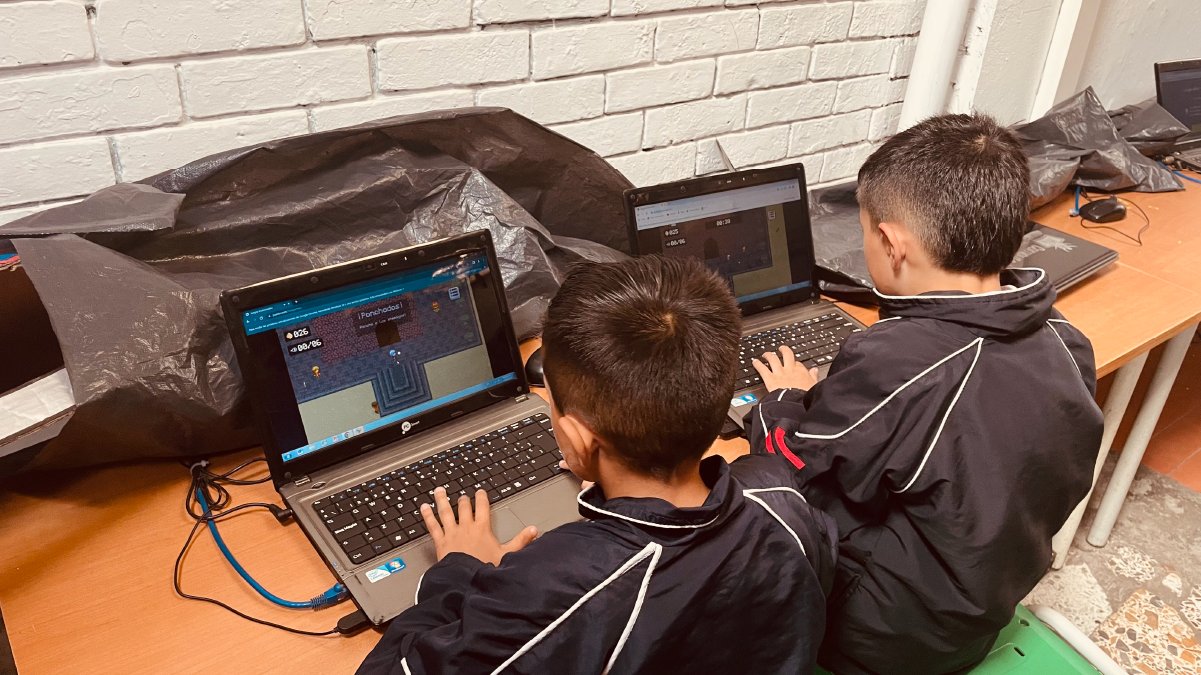
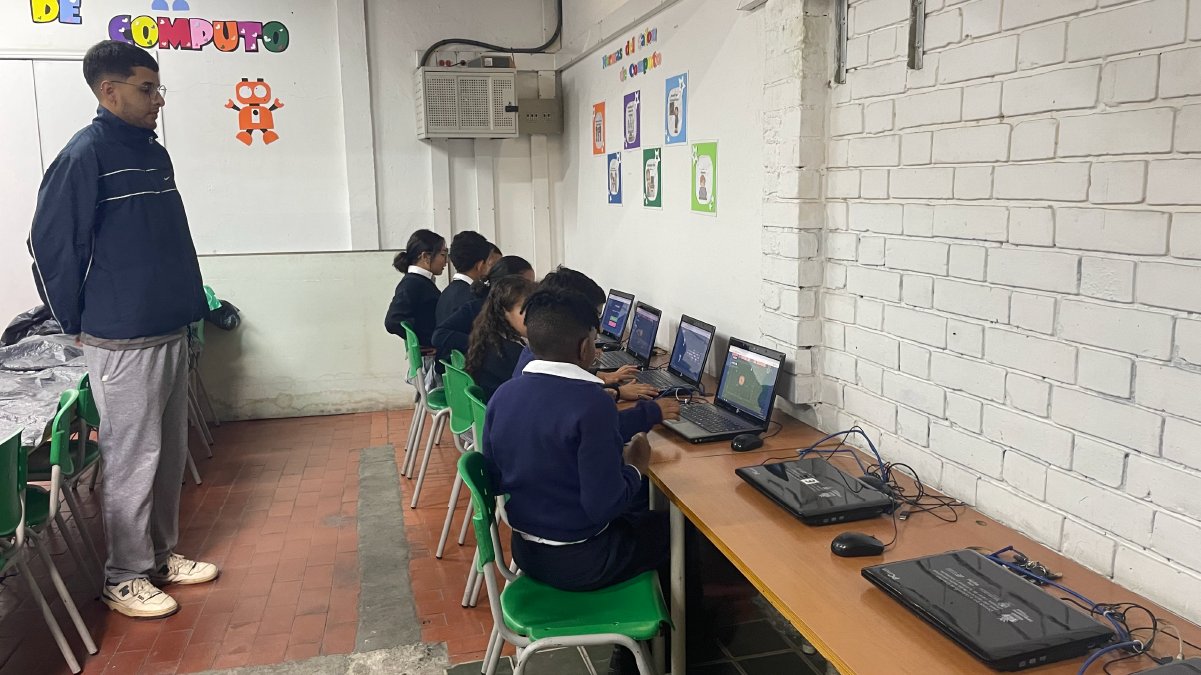
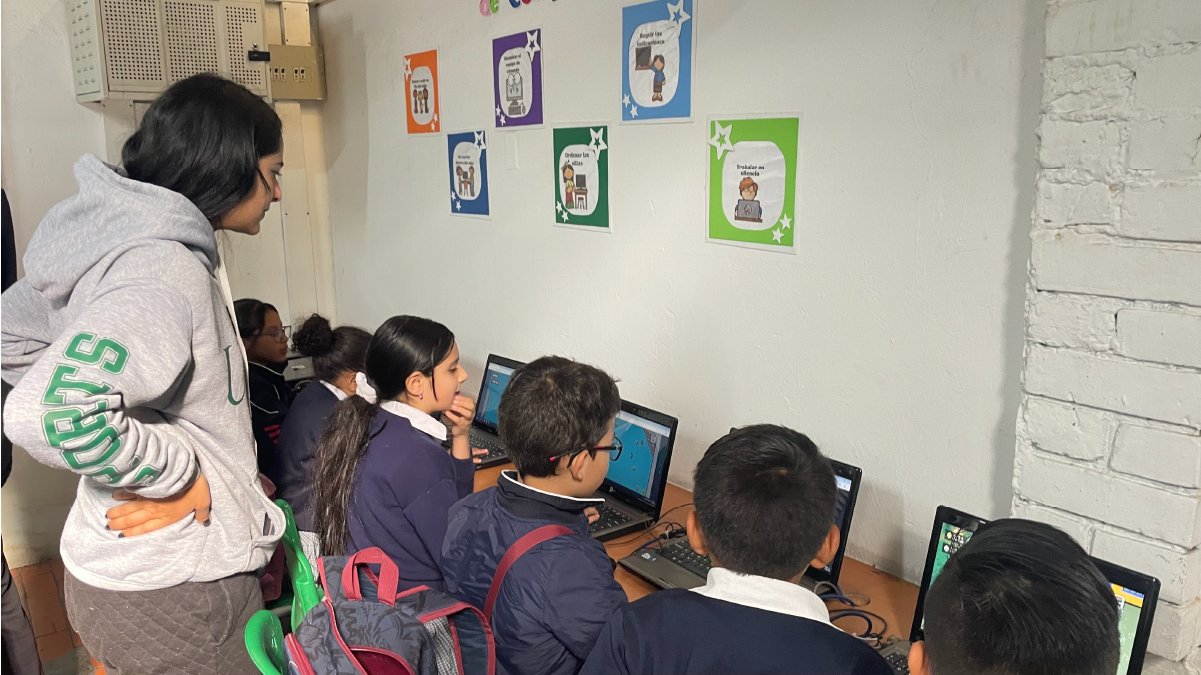
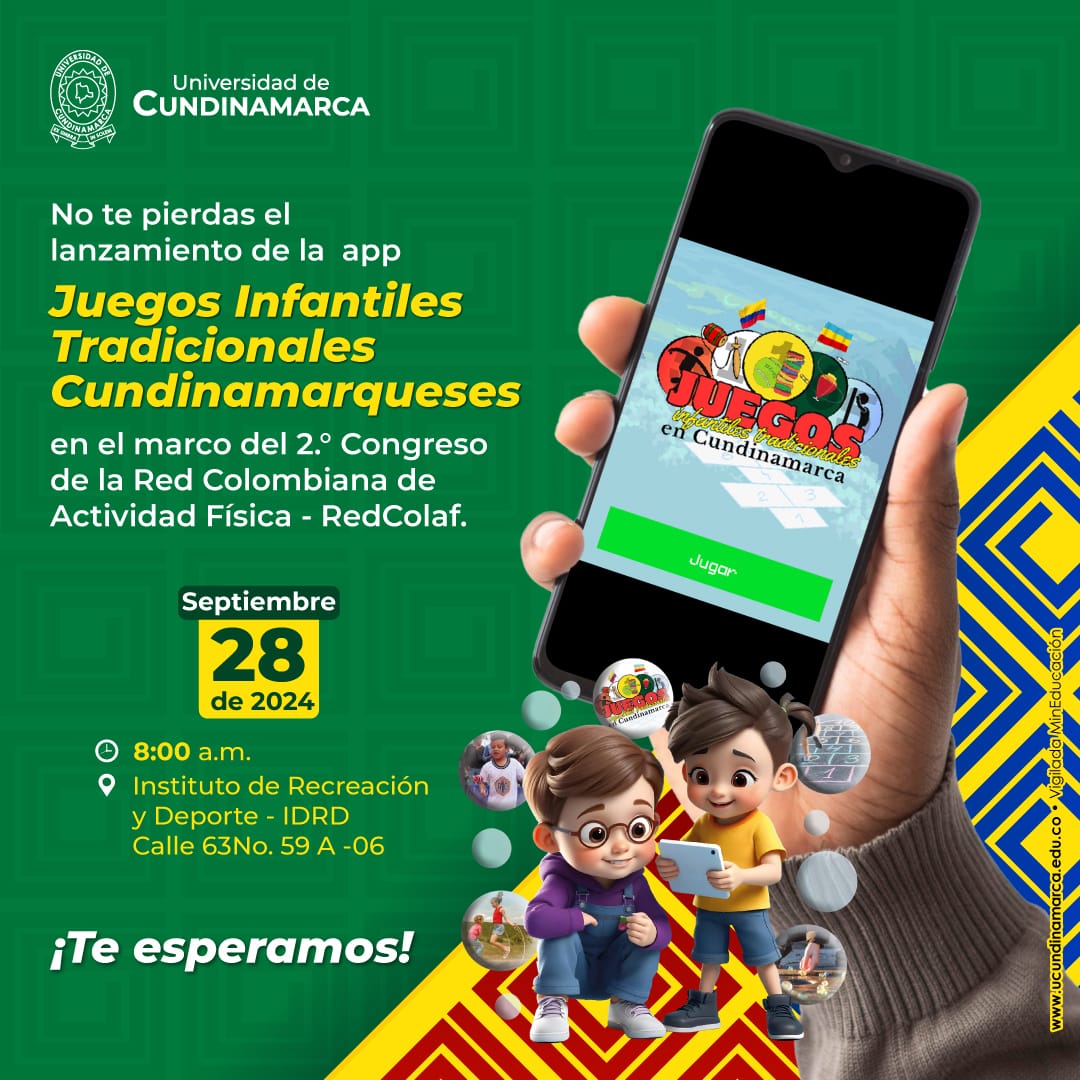
The University of Cundinamarca, Soacha Extension, through its Sports Science program, announces the official launch of the mobile application “Traditional Children’s Games of Cundinamarca.” This innovative project aims to preserve and promote the region’s traditional games, using them as an educational tool within the field of Sports Science.
Gloria Inés Ortega Mora, Knowledge and Learning Manager and leader of the research project, explained that the initiative arose from the need to preserve and revitalize these play traditions. In a translocal and transmodern context, Ortega highlighted the value of games as cultural heritage, essential for fostering identity and intercultural understanding, as well as their role in child development and the creation of social bonds in a globalized world.
The application will be presented on September 28, 2024, at 8:00 am, within the framework of the Second Congress of Physical Activity – RedColaf, organized by the Institute of Recreation and Sport of Bogotá (IDRD).
Ortega Mora also highlighted that the University's Transmodern Digital Educational Model (MEDIT) is being applied in this project, integrating digital technologies that facilitate accessible and interactive learning. The use of traditional children's games fosters collaboration and cultural exchange among students, respects cultural diversity, and allows for personalized learning based on individual interests. Using active methodologies, such as project-based learning, students have the opportunity to explore and reinvent the games, creating a more dynamic and motivating educational process. Thus, the MEDIT model establishes an inclusive educational environment that combines technology with the richness of local traditions.
The application aims to transform the teaching of sports science by integrating the practice of traditional games with theoretical concepts. Among the most notable benefits are active learning, which enhances understanding through experience; the fostering of cultural identity, connecting students with their heritage; the development of social skills, promoting collaboration and teamwork; and physical stimulation, encouraging an active and healthy lifestyle.
Ortega Mora emphasized that traditional games are fundamental for strengthening cultural identity and learning in children and young people. By fostering a sense of belonging and connection to their roots, these games transmit values such as teamwork and respect, essential for social development. Through their practice, children develop motor and cognitive skills in a playful way, thus facilitating learning and promoting social interaction, which creates bonds between generations and strengthens the community. Furthermore, by allowing children to adapt and reinvent the games, their creativity and appropriation of cultural heritage are stimulated, enriching the educational process in a dynamic and meaningful way.
During the event, Jorge Enrique Correa Bautista, a professor in the program, will present a paper entitled “Rescuing traditional children's games as a strategy for promoting physical activity in schools. Launch of the APP.”.
The research team consists of four Knowledge and Learning Managers, led by Gloria Inés Ortega Mora, along with co-investigators Jorge Enrique Correa Bautista, Diana Patricia Gil Moreno and Leonardo Lara Florián, as well as seven student researchers from the Alternative Human Movement of Sports Sciences.
Those attending the launch will have the opportunity to explore the application, play with it, and enjoy an interactive experience that will revive the games of their childhood.
Listen to our Podcast:
News
News
News
News