News
2026-09-24
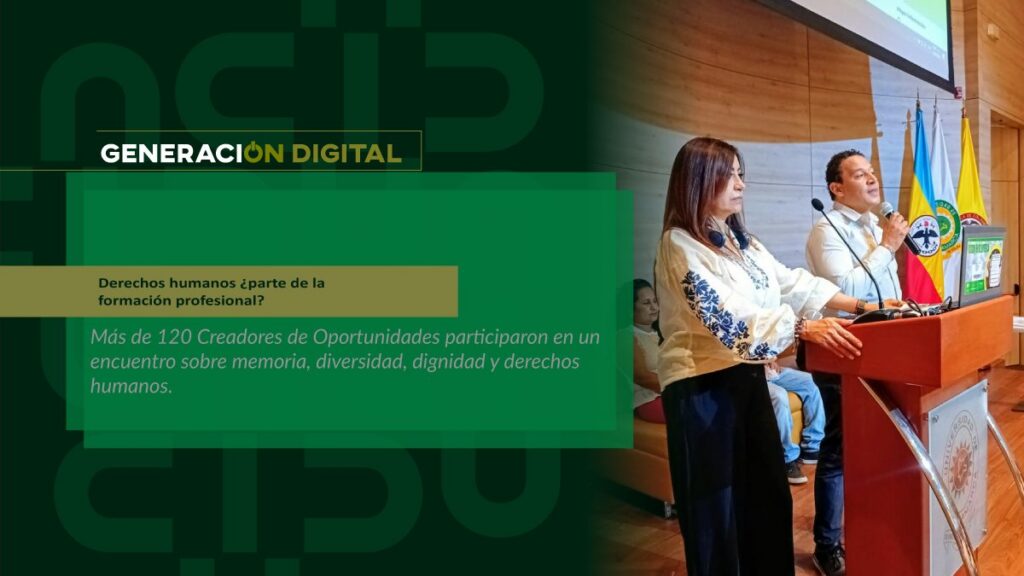
Human rights: part of professional training?
By: Alejandro García Suárez – Advisory Office of Communications


I am your virtual assistant, here to help you quickly and easily.
▲ Back to Top
By: Carolina Rojas Cendales – Communications Advisory Office
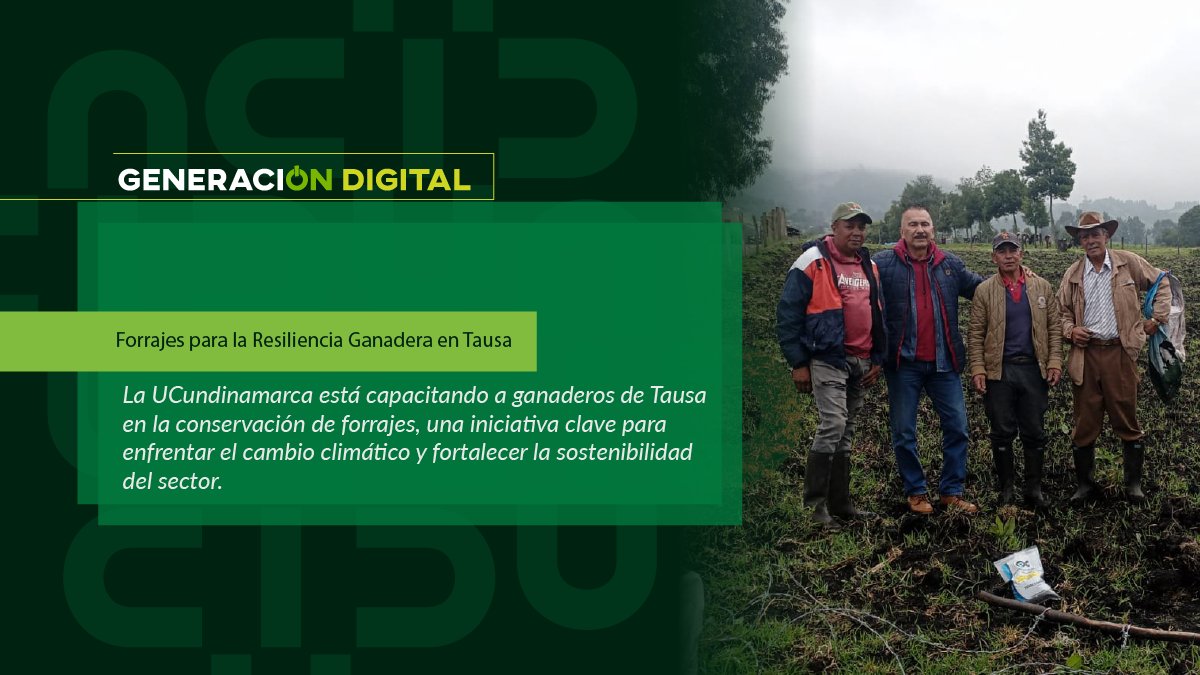
The Animal Science program at the Ubaté branch is leading the project “Forage Conservation Strategy as a Method of Resilience to Climate Change.” This valuable University Social Interaction initiative aims to directly train small-scale producers in the Páramo Bajo village in Tausa.
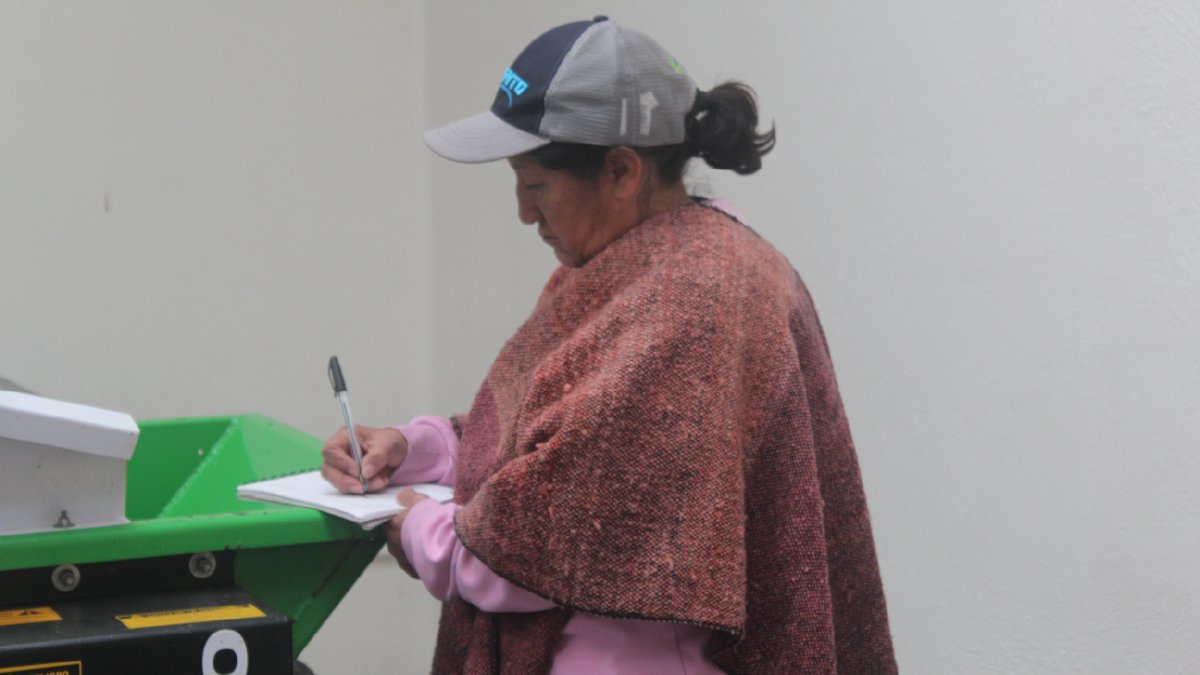
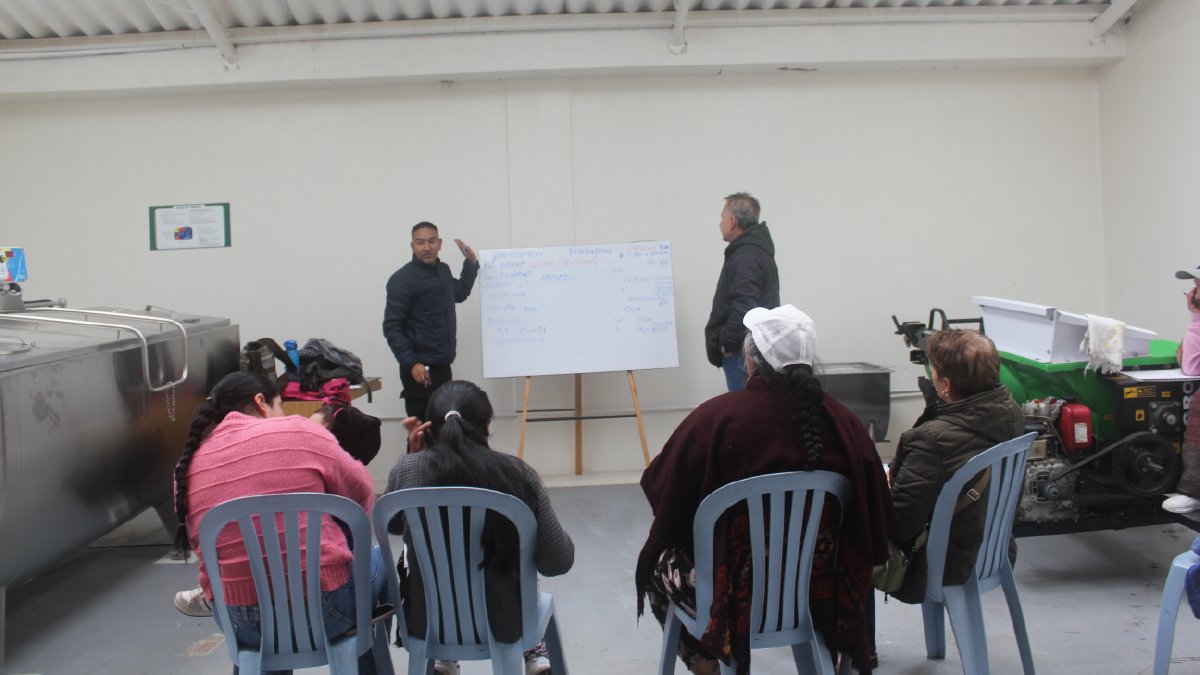
The project benefits the members of the Asoprocampo Association, who have received comprehensive training. They have learned from the selection of forage species and soil preparation, up to fertilization, conservation methods and harvesting techniques. The objective is clear: to prepare producers to face prolonged seasons of drought or intense rains without affecting the productivity of their agricultural systems.
Why Tausa?
Tausa was chosen as a pilot territory because of its genetic potential in livestock production and, at the same time, because of the technological limitations that their producers face. “We want to guide them toward a sustainable transition, strengthening their capabilities without their income being compromised by climate variations,” they say. Knowledge and Learning Managers: Lino Alberto Mesa Alba, Judith Castiblanco Delgado and Luis Eduardo Sánchez.
Project Progress
Currently, the project is in the final training phase. Although the initial planting had some external setbacks, the crops are in their fifth week of growth, with fertilizer application and preventative controls in place. Silage is projected to begin around day 120. fundamental practice to ensure animal feed during critical times.
Collaboration and Commitment
One outstanding aspect of this initiative has been the excellent attitude and commitment of the members of Asoprocampo and the municipal UMATA. Their active participation in all the training sessions has been key. The group of 20 beneficiary producers has facilitated a highly effective and replicable knowledge transfer in other rural areas.
Responding to a National Need
This proposal originated from the Social Innovation Laboratory of the Ubaté branch, as a response to a structural problem in the national dairy sector: production decrease between 30% and 40% during extreme weather events. This situation directly affects the food security of farming families. In response, forage conservation emerges as a key solution. a vital tool to ensure the availability of animal feed throughout the year.
Academia and Field: An Integrated Model
The project exemplifies the integration of academia with the rural environment. Fourth-semester students from the CADI Forage Systems and Technologies program, along with other students and graduates, complete their internships actively supporting field activities. This experience allows for the application of the Transmodern Digital Educational Model (MEDIT), bringing classrooms to the fields and generating learning based on real-world experience.
The support of the Tausa Mayor's Office and the collaboration with community actors reinforce the impact of the project, which is already emerging as a model strategy for networking between the university, peasant associations and local governments.
News
News
News
News