Fusagasugá Branch
2026-09-24
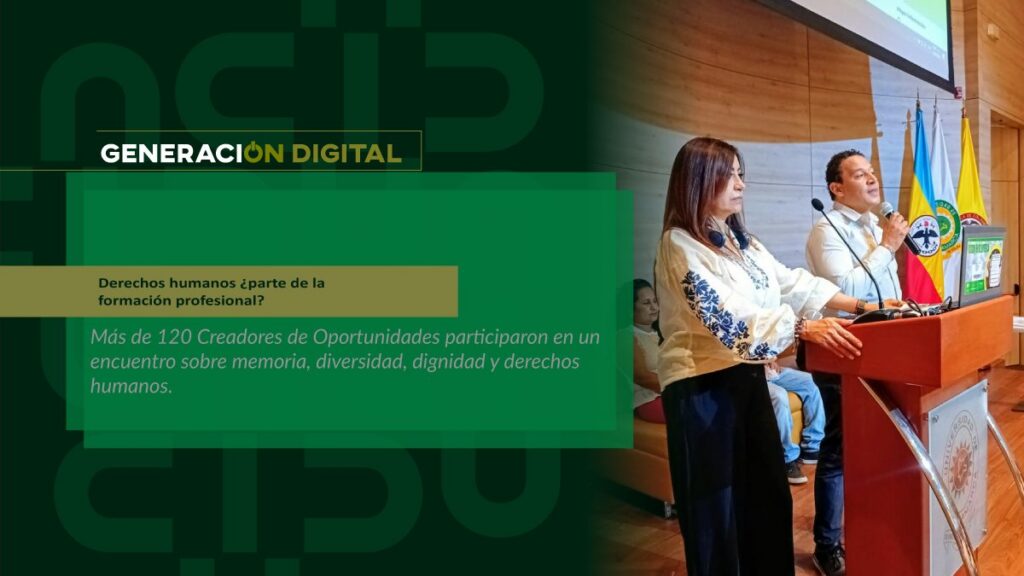
Human rights: part of professional training?
By: Alejandro García Suárez – Advisory Office of Communications


I am your virtual assistant, here to help you quickly and easily.
▲ Back to Top
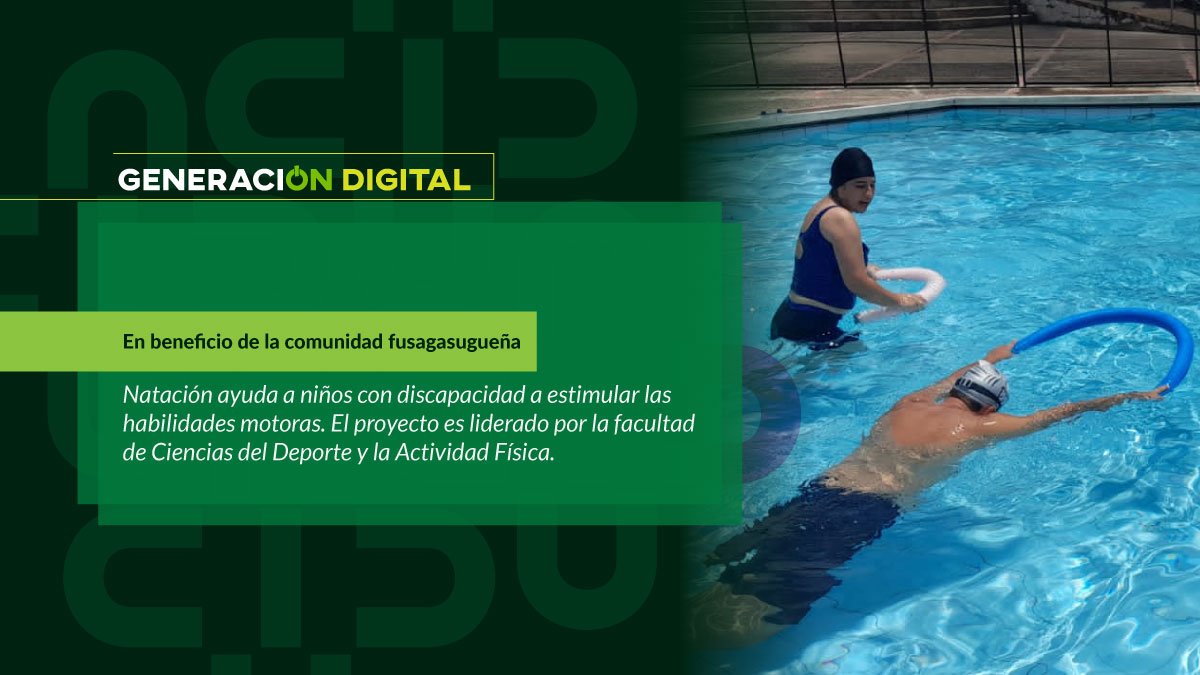
This initiative is supported by the Physical Activity and Health Program of the Fusagasugá Sports Institute. “What we aim to do is stimulate all motor skills such as flexibility, balance, coordination, and strength, and at the same time, teach them the four swimming strokes: freestyle, backstroke, breaststroke, and butterfly,” says Jon Mauricio Medellín, a teacher who coordinates this project.
This idea is framed within the processes of University Social Interaction, which stem from a deep understanding of the pressing needs of a society like Colombia's, which, according to data from the Ministry of Health and Social Protection, has 1,319,049 people with some type of disability. "These are low-income mothers who bring their children with cognitive and physical challenges to the Academic Sports Center on Wednesdays from 9:00 am to 11:00 am. This is part of the Mobile Recreation Center that we run from the faculty.".
Currently, twenty people are benefiting from a learning process that consists of several phases. “We begin with an adaptation stage to the aquatic environment, as many of them come with a fear of the water. Then we teach them how to breathe, float, dive, move around, turn, and jump. As they progress, we introduce them to other activities because, from a therapeutic perspective, swimming relaxes the muscles and strengthens the central nervous and cardiovascular systems.”.
But that's not all. The mothers who bring their children also benefit, since it's no secret that being a caregiver is a physically and mentally exhausting task. "While they have to wait two hours, we, along with the students from the university's community recreation program who are part of the human recreation initiative, lead them in exercises that complement the training sessions, which include various crafts. We also teach them about motor stimulation so they can practice it on their children.".
Regarding how to access this service, the teacher explains that people can go to the Fusagasugá Recreation and Sports Institute and register. “Once that step is completed, they refer the parent and their child to us so they can join the program, and that's how we begin the follow-up.”.
For Estela Castelblanco, a single mother with a 21-year-old son with Down syndrome, this service provided by UCundinamarca has been fundamental, as it has improved his quality of life. “I am very grateful, because Nicolás is now more alert and moves better; these sessions relax him a lot and stimulate his whole body.”
She also acknowledged that without this help, she wouldn't be able to afford private swimming lessons. "I don't have money, since I don't work; I dedicate myself to taking care of my son. That's why I value what they do for us, because you can see the teachers' commitment to teaching," she concluded.
In this way, UCundinamarca works to improve the quality of life of the communities where it is present as part of its University Social Interaction policy.
News
News
News
News