News
2026-09-24
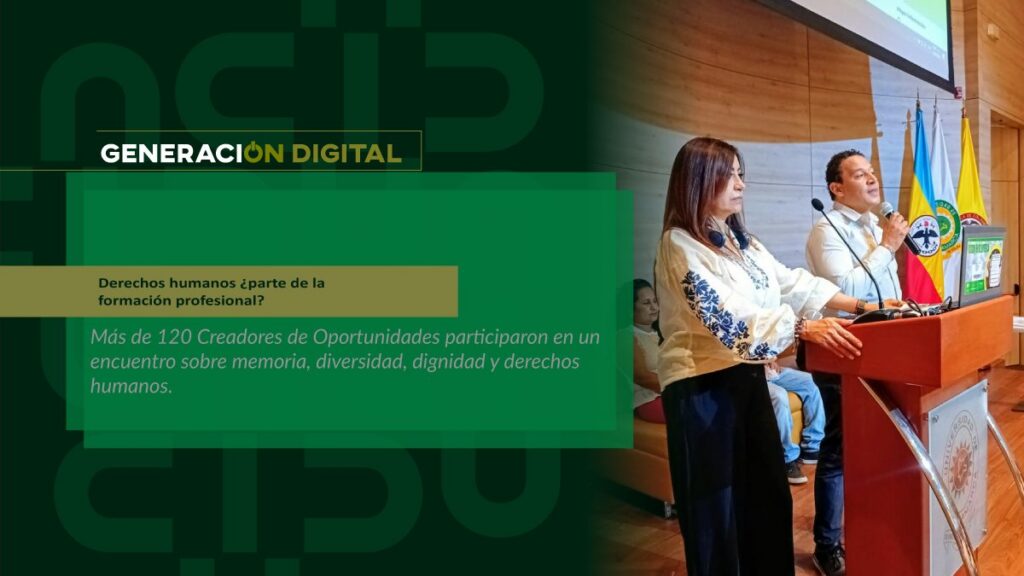
Human rights: part of professional training?
By: Alejandro García Suárez – Advisory Office of Communications



I am your virtual assistant, here to help you quickly and easily.
▲ Back to Top
By: Alejandro García Suárez – Advisory Office of Communications
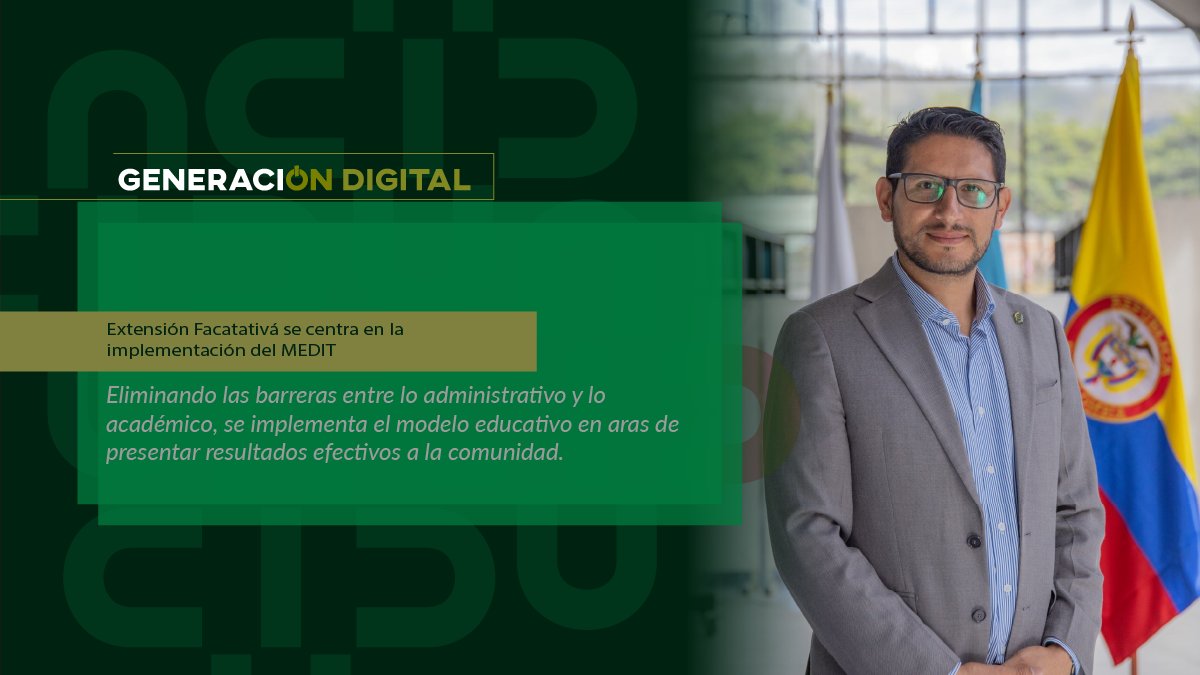
In an interview with the UCundinamarca News Agency, William Andrés Castañeda Celeita, administrative director of the Facatativá extension, highlighted the achievements and administrative management of the first academic period of 2024. He also emphasized the improvements to the educational infrastructure and the creation of collaborative spaces that facilitate learning and knowledge management.
UCundinamarca News Agency (ANUC): How are you implementing the Transmodern Digital Educational Model, MEDIT?
William Andrés Castañeda Celeita (WACC): The implementation of the Transmodern Digital Educational Model (MEDIT) at the University of Cundinamarca is progressing successfully. The majority of staff, both administrative and teaching, are adopting this educational approach. Currently, the focus is on the effective implementation of MEDIT.
From the administrative leadership, along with a committed team, work is underway to foster family and personal integration, fundamental pillars of MEDIT. In Facatativá, a team dedicated to promoting family integration within the institution has been established. One example of their efforts is the environmental initiative that has actively involved administrative and teaching staff, strengthening the sense of community and eliminating barriers between the administrative and academic areas.
Furthermore, integration extends to students and external participants in the activities, enriching the educational process. To continue progressing, they are focusing on improving infrastructure with renovation projects for educational and sports facilities scheduled for August, including the maintenance of sports fields and the acquisition of specialized equipment for computer labs.
A knowledge and learning management center has also been established, and a teaching room for educators' use has been opened, improving the environment for knowledge management and learning.
ANUC: What aspects would you highlight as achievements and what areas do you consider need improvement?
WACCIt has been a significant challenge to successfully complete the first semester, and I want to highlight some key achievements that we hope to improve upon by the end of this year. I have dedicated myself to gaining a deeper understanding of the University's administrative operations. Although I have been with the institution for 12 years, I have found substantial differences between the teaching and administrative roles in the extension program. I have worked to foster a closer relationship with staff, which has allowed for an administrative reorganization of personnel and the relocation of some offices to improve accessibility, especially for people with disabilities.
In this reorganization, we successfully relocated the Admissions and Records office to the first floor, eliminating barriers and providing a suitable space for service. We also moved the User Services office, which was in a difficult-to-access location, to Block A, first floor, to facilitate access for both staff and users.
A significant achievement is the high rating obtained in the external audit for ISO 45001 certification, which pertains to occupational health and safety. This represents important recognition and accreditation for us.
Regarding the budget execution for the first semester, we achieved 501 TP3T in operating expenses, despite the challenges inherent in the execution of public funds, and 891 TP3T in investment resources, demonstrating sound administrative management. Furthermore, we exceeded one of our fiscal targets by 481 TP3T, a feat recognized by the Vice-Rector for Administration and Finance.
ANUC: What were the main challenges faced during the first academic semester and how were they addressed?
WACCThe challenges are daily and constant. Every day we face requests from students, faculty, and program directors. Managing all these demands becomes an ongoing challenge. However, I want to highlight one particular challenge that we have taken on as a personal and team commitment, together with Fusagasugá: the payment of the excellence bonus.
This excellence bonus stems from an agreement managed last year between the Facatativá extension and the municipal administration of Facatativá, benefiting 54 students with a minimum wage for those with the best academic averages.
Initially, the outgoing mayor promised that this payment would be made within one or two months, but the administrative process required to allocate these funds and distribute them to the students proved complex. Fortunately, we were able to make the payment in June after contacting the municipal administration and coordinating efforts with other departments at the Fusagasugá campus. This allowed us to deliver the recognition that the municipal administration had allocated for the students.
Furthermore, we dedicated ourselves to gaining a deeper understanding of the needs of students, knowledge and learning managers, and administrative staff. Based on this understanding, we proposed an administrative reorganization to effectively address the University's internal needs. Meeting with each group, listening to their needs, and developing the necessary guidelines and procedures to meet them has been one of our main challenges.
ANUC: What measures or strategies will be implemented to overcome the identified challenges and ensure better administrative functioning in the second academic semester?
WACCKey strategies have been identified that require teamwork and collaboration between the Facatativá and Fusagasugá offices. This cooperation is essential to overcome administrative barriers and streamline processes, ensuring that user service times are met.
Ongoing training for administrative staff is crucial, and training sessions are held to clarify important processes. Furthermore, support is provided in areas such as budgeting and procurement, which improves efficiency.
Periodic meetings and evaluation committees are also held to monitor budget execution and other indicators, allowing for necessary adjustments to achieve the established objectives.
ANUC: What administrative objectives do you consider priorities to strengthen the functioning of the extension and improve the academic experience of students?
WACCWe are making progress in the payment and disbursement process for the second cycle of the excellence bonus, with the expectation that it will be more agile and efficient, allowing students to access their funds in a shorter time than in the first semester. This not only ensures that they have the money available, but also allows us to responsibly manage the resources allocated to investment and operations, which will guarantee adequate sports fields and appropriate recreational classrooms for the students.
During the inter-semester break, we improved the university by maintaining green areas, painting classrooms, and repairing doors, which will provide students with a comfortable and peaceful environment for their classes. Maintenance was also carried out at the El Vergel Agro-environmental Unit.
We are working in coordination with the Vice-Rector's Office for Academic Affairs and Human Resources to ensure the hiring of faculty, avoiding problems that have arisen in previous years. In addition, the computer equipment and laboratories have been serviced and are ready for use.
Listen to our Podcast:
News
News
News
News