Fusagasugá Branch
2026-09-24
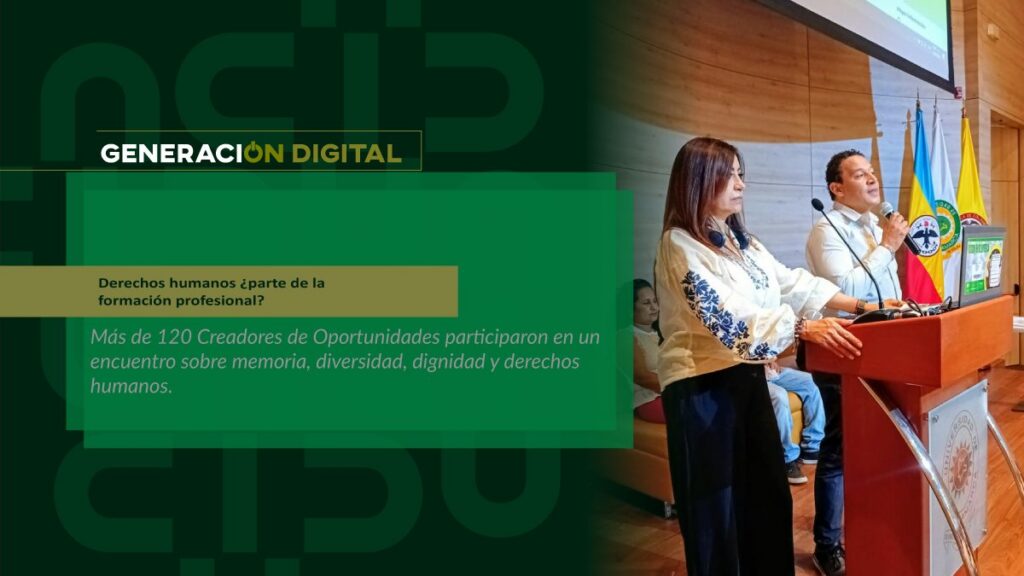
Human rights: part of professional training?
By: Alejandro García Suárez – Advisory Office of Communications


I am your virtual assistant, here to help you quickly and easily.
▲ Back to Top
By: Alejandro García Suárez – Advisory Office for Communications.
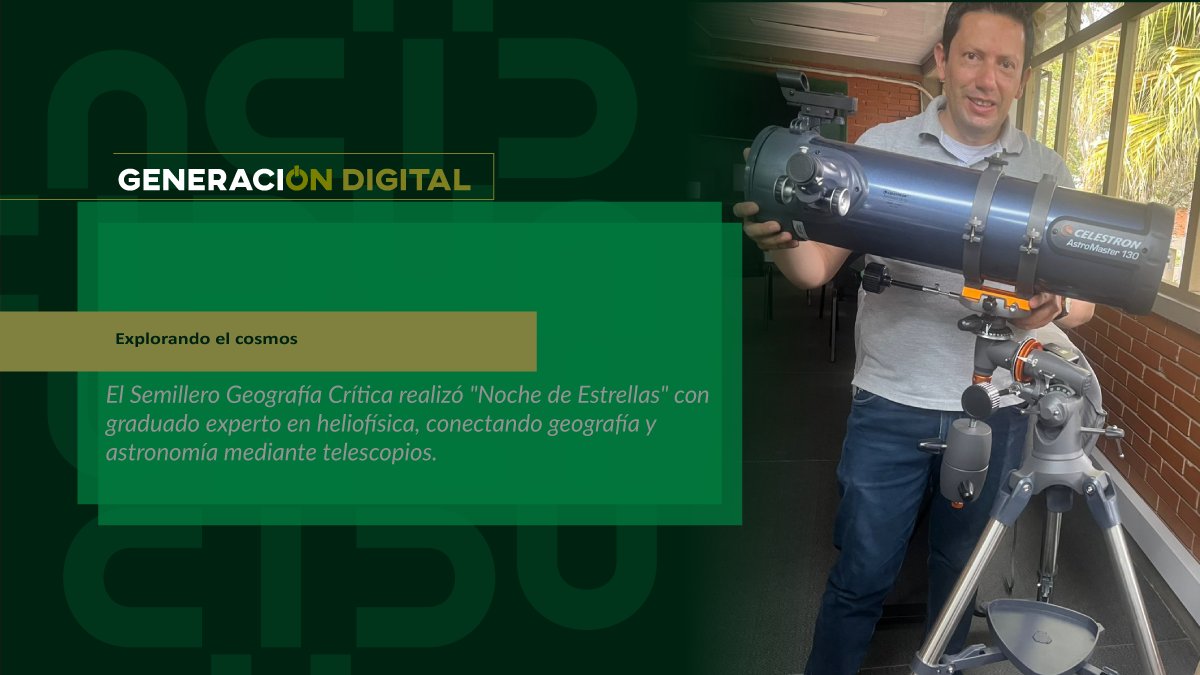
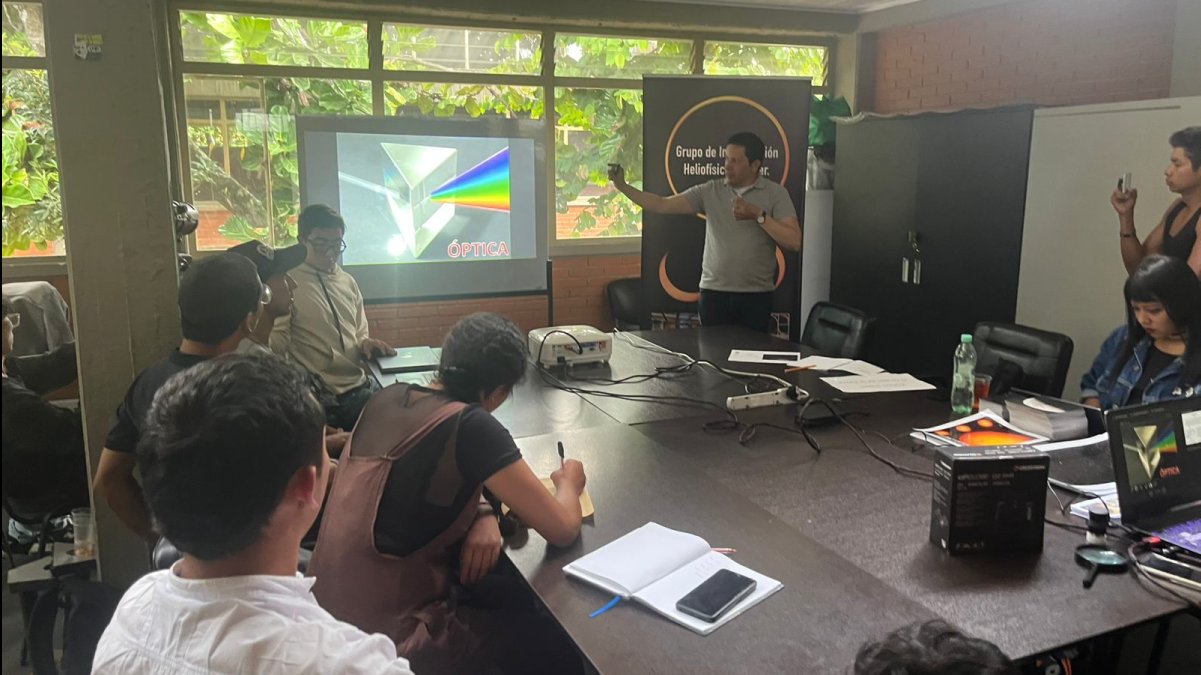
The Carlos Walter Porto Goncalves Research Group on Critical Geography and Social Cartography, part of the Social Sciences Bachelor's program in Fusagasugá, held an innovative event on September 12th. The "Night of Stars" experience connected the university community with the cosmos in an innovative and educational way.
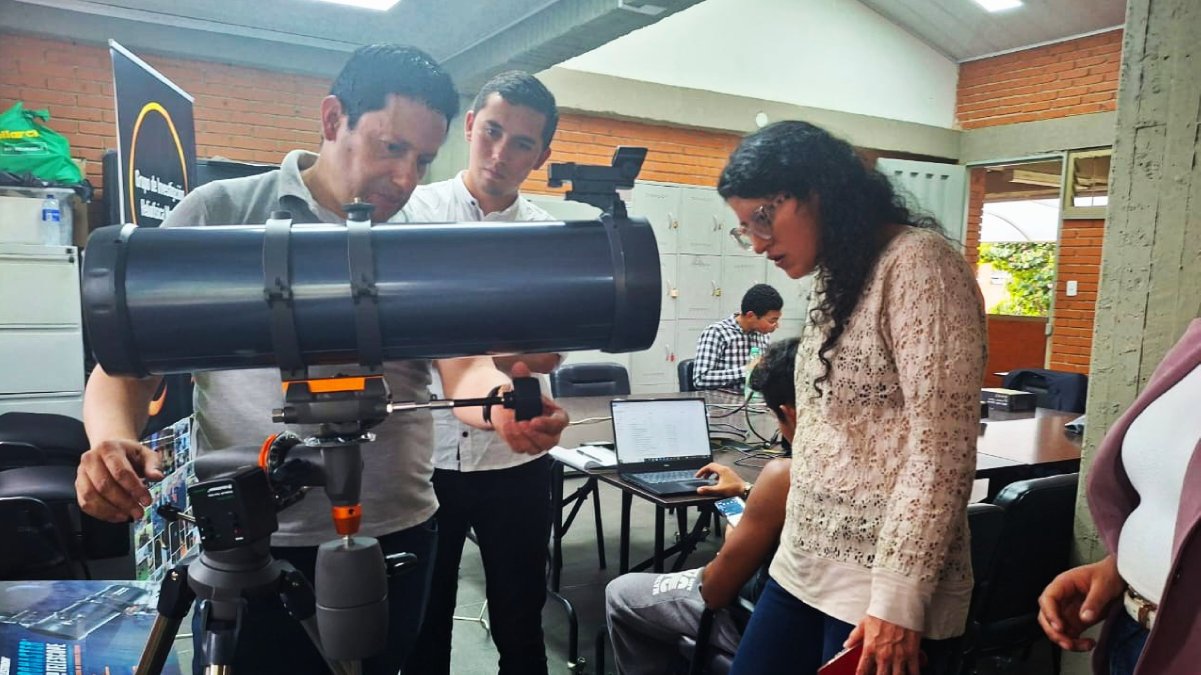
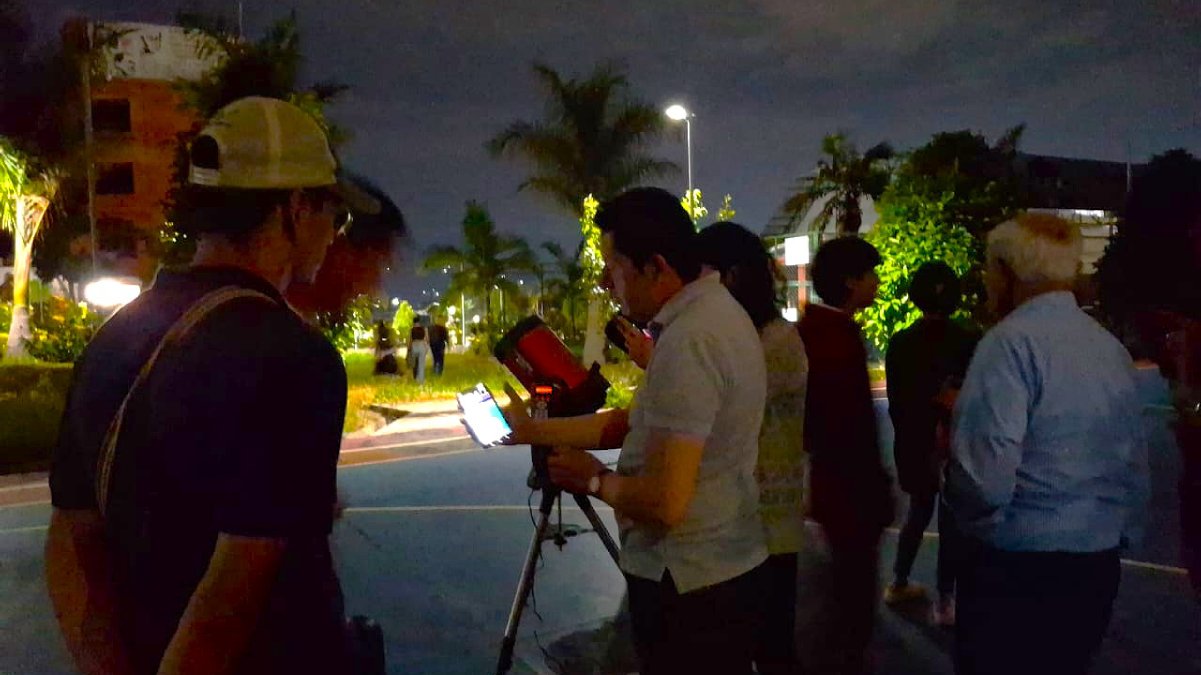
Álvaro Vanegas, a physicist with a degree in Mathematics from UCundinamarca and a member of the Messier Heliophysics research group at the Rural Educational Institution of Granada, Cundinamarca, was the special guest. He brought his own telescopes, allowing all participants to directly handle and explore these scientific instruments.
During the meeting, institutional projects developed in conjunction with the school observatory were shared, focusing on renewable energy, solid waste management, robotics, and composting. This collaboration demonstrates the joint work between science, sustainability, and the community. Martha Isabel Bernal Mora, Knowledge and Learning Manager and leader of the research group, highlighted the exchange and strengthening of knowledge achieved during the day.
Juana Castillo, a student and member of the research group, thanked the managers Cristian Abad Restrepo and Marta Isabel Bernal Mora, saying, “We had a wonderful experience exploring renewable energy, robotics and composting projects, as well as learning about the history of light and building our own telescope.”.
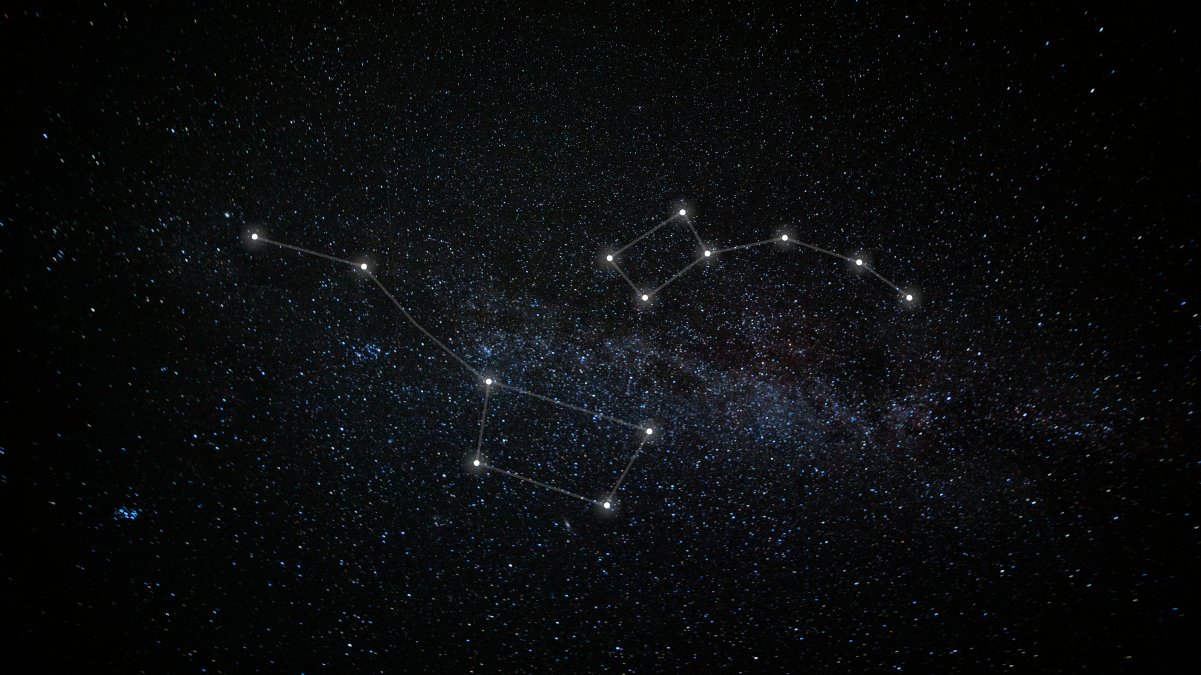
Nicolás Hernández, a social science student, reflected on the connection between geography and astronomy: “We understood that geography cannot be understood without astronomy. In ancient times, navigators knew their oceanic position based on the altitude of the North Star in the night sky.” This integrated perspective demonstrates how both disciplines complement each other for understanding space and territory.
Participants explored the history of light, types of waves, and how telescopes work. They assembled the Celestron Astro Master 130 telescope from the Laboratory for the Development of Geographical Thinking. The day culminated in hands-on astronomical observation, identifying nebulae, clusters, planets, and stars that amazed the attendees.
The event brought together students from various programs, members of the university community, and groups such as the Mesa de Pensamiento y Semillas (Thought and Seeds Roundtable). It was an academic-community exercise that explored the history of universal creation, drawing inspiration from authors such as Robert Hazen, Arthur and Alan Strahler, and John Gribbin.
These types of initiatives reflect the spirit of the Transmodern Digital Educational Model (MEDIT) of UCundinamarca, which promotes innovative educational experiences, integrating scientific knowledge with human development, sustainability and commitment to the community.
Listen to our Podcast:
News
News
News
News