Fusagasugá Branch
2026-09-24
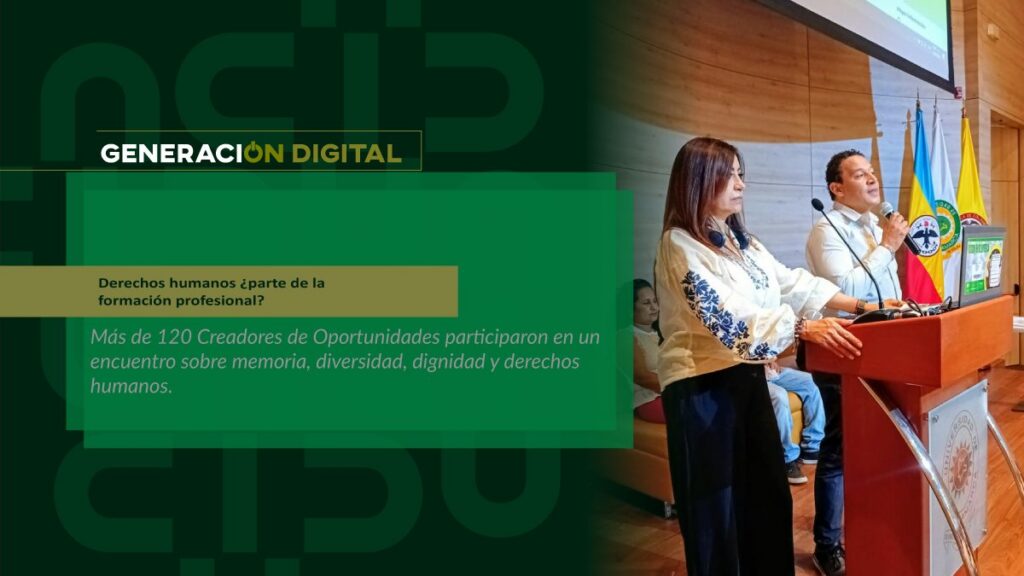
Human rights: part of professional training?
By: Alejandro García Suárez – Advisory Office of Communications


I am your virtual assistant, here to help you quickly and easily.
▲ Back to Top
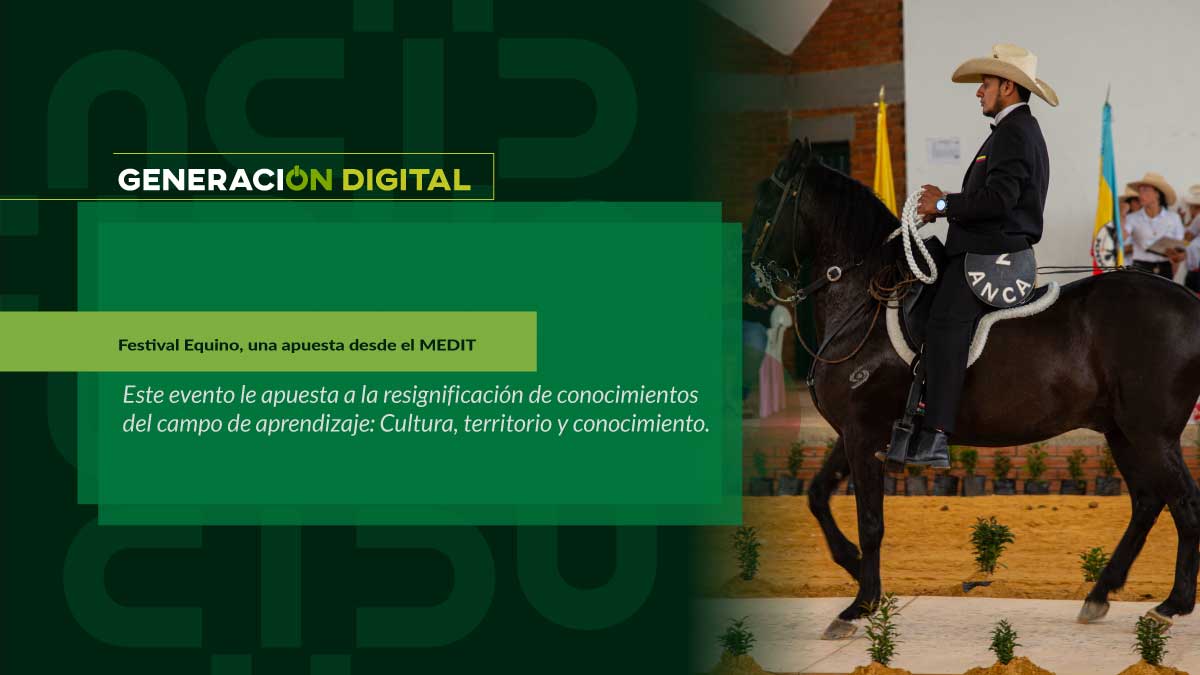
The Equine Festival, which in 2022 reaches its 12th edition, has in its last day competitions of trotting, trotting and galloping and pure Colombian trocha, activities in which a total of 86 horses will participate, which have a good state of health evidenced in their movement guide approved by the ICA.
At the event, which was attended by approximately 130 people from outside the university on Friday, students from the Animal Science program who are part of the Equine Production CADI applied the theoretical component within the different activities that were developed, as explained by Guillermo Caicedo, a teacher in the Animal Science program and who also leads the event.
“Through the Festival, students will understand and learn about how the Colombian Criollo horse is judged, what the four gaits of the Colombian Criollo horse are, how the categories are organized, and the logistics for protecting the animal,” Caicedo said.
The goal of this equine festival, as the teacher points out, is to change the paradigm that horses are associated with alcohol and partying, so that the community realizes that these types of events can be educational and a great learning opportunity regarding animal protection.
“This activity is framed within the field of cultural learning, territory and knowledge, which is an educational strategy, and has an equine wing, in which it seeks to generate academic activities that promote learning and dialogue of knowledge between students and the productive sector and professionals such as veterinarians, zootechnicians, trainers and breeders,” Guillermo stated.
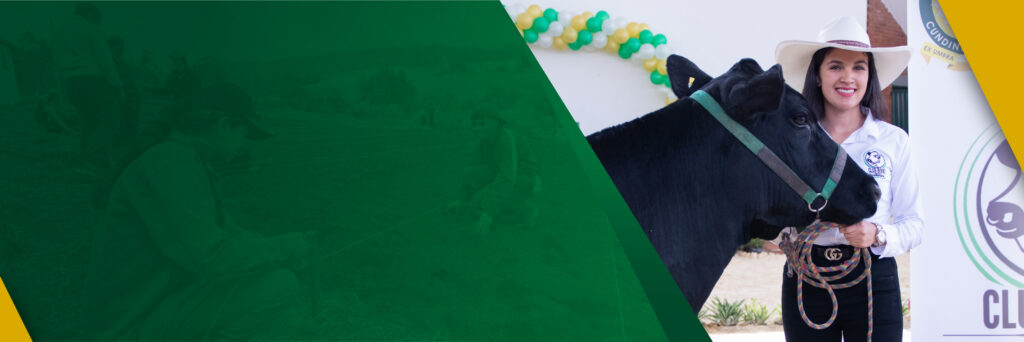
The Horse Festival is led by the UCundinamarca Horse Club, which decided to revive the event after the pandemic. The club is made up of 40 students from the Animal Science, Agronomic Engineering, Business Administration, and Public Accounting programs, who created and implemented a schedule based on the principle of animal welfare and considering the animals' health status.
“The different horses participating in the festival required a movement permit from the ICA (Colombian Agricultural Institute) to attend the event, which requires several things: a vaccination plan, a negative infectious anemia test, and the respective registration with the association. In addition, upon entering the event, a check was carried out to verify that they did not have any injuries or infectious symptoms, thus ensuring that the horse was in suitable condition to participate,” stated the animal husbandry professor.
In addition to students from the Faculty of Agricultural Sciences and the equestrian club, students from the Faculty of Administrative Sciences also participated in the festival, giving them the opportunity to promote their products and projects to the community. Breeders and professionals from the municipalities of Fusagasugá, Arbeláez, Silvania, Granada, and Tenjo also joined the event. In this way, the 12th Equestrian Festival successfully consolidated one of the cornerstones of the MEDIT program: university-wide social interaction with local communities.
“An experience for life,” Dean of Agricultural Sciences
According to John Alexander Moreno Sandoval, dean of the Faculty of Agricultural Sciences, “this event aimed to create an experience where students could observe equine behavior and learn methods to ensure their well-being. It also sought to raise awareness about horse shows and festivals, which are often associated with alcohol consumption. In short, the festival's objective was to change the culture surrounding this domesticated species.”.
Animal Science students also had the opportunity to participate in the entire organizational process of this academic experience, from planning to animal reception, event development, and closing. This was all done with the support of the ICA (Colombian Agricultural Institute) and based on the required equine health guidelines, as well as the input of some Animal Science graduates.
The twelfth equine festival ended with a very positive outcome, since, according to Dean Moreno, "It gave visibility to the University, a fact that increases its capacity to articulate with all sectors, both private and public.".
Furthermore, this event demonstrated the interest that students, professors, and the entire academic community have in the equine species, which is considered fundamental not only for the development of humanity but also for the Sumapaz region. “Participating in this exhibition was an interesting experience because I learned about the logistics of an equine event: supporting and preparing the horses to go on stage, monitoring their feeding, etc.
”I think these are formative experiences for me as a professional. Furthermore, I have a special fondness for horses because they are a means of transportation and contribute to the well-being of human life,” said Michael Cruz, an eighth-semester Animal Science student and member of the equestrian club.
For now, the UCundinamarca equestrian club will continue to formulate new initiatives from the Cultural Learning Field: Territory of Knowledge of the Faculty of Agricultural Sciences, with the objective of continuing to measure the importance of the equine in the history of humanity, in the development of the country and in the development of the territories.
News
News
News
News