News
2026-09-24
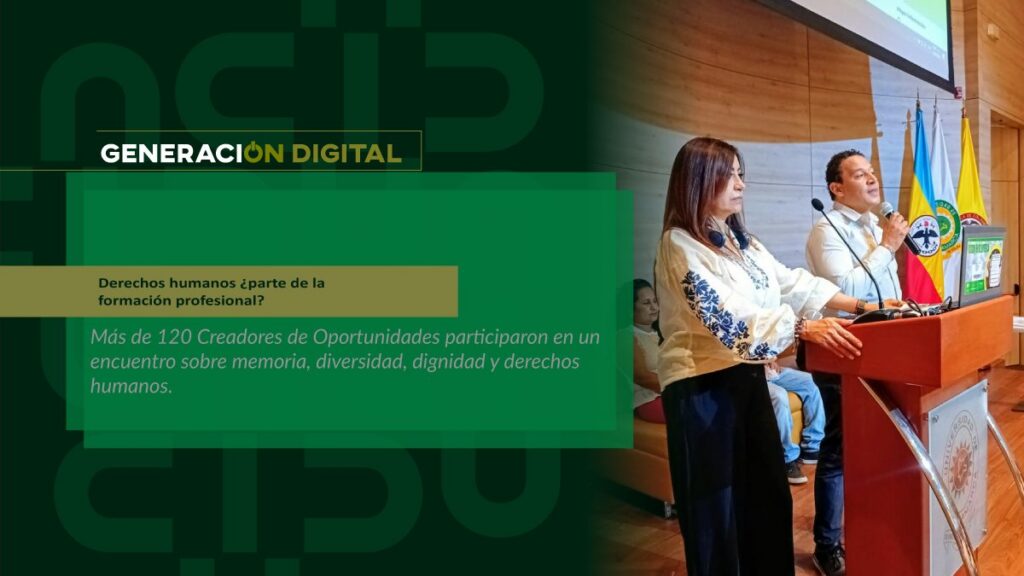
Human rights: part of professional training?
By: Alejandro García Suárez – Advisory Office of Communications


I am your virtual assistant, here to help you quickly and easily.
▲ Back to Top
By: Alejandro García Suárez – Advisory Office of Communications
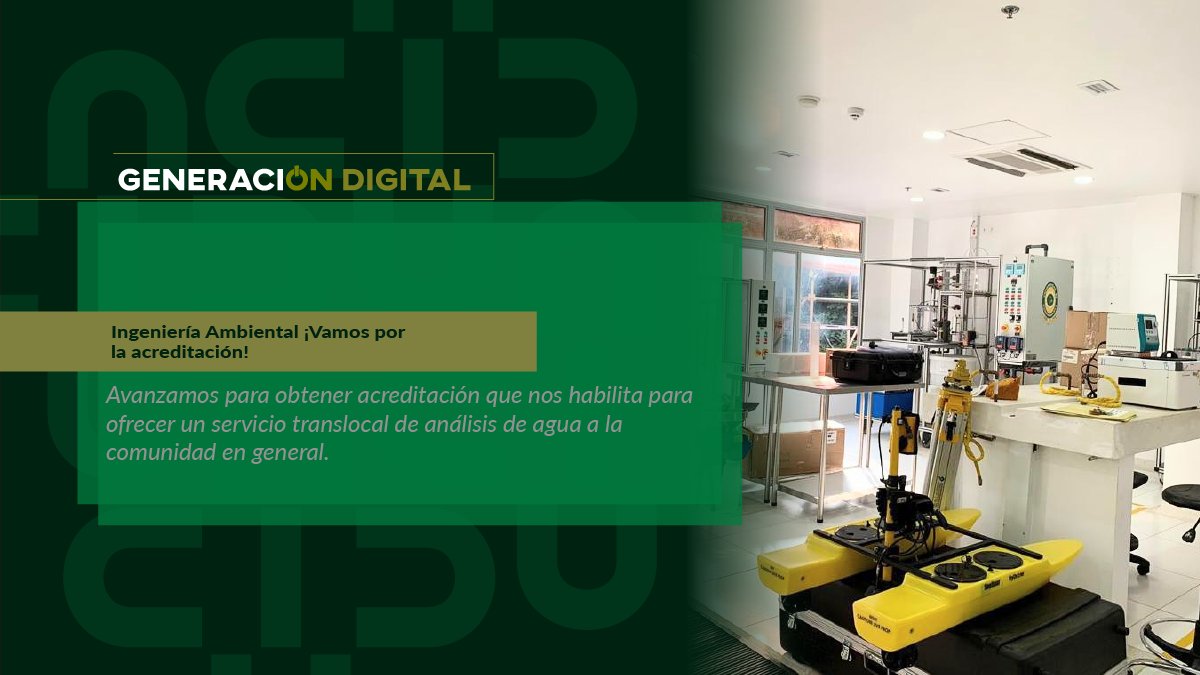
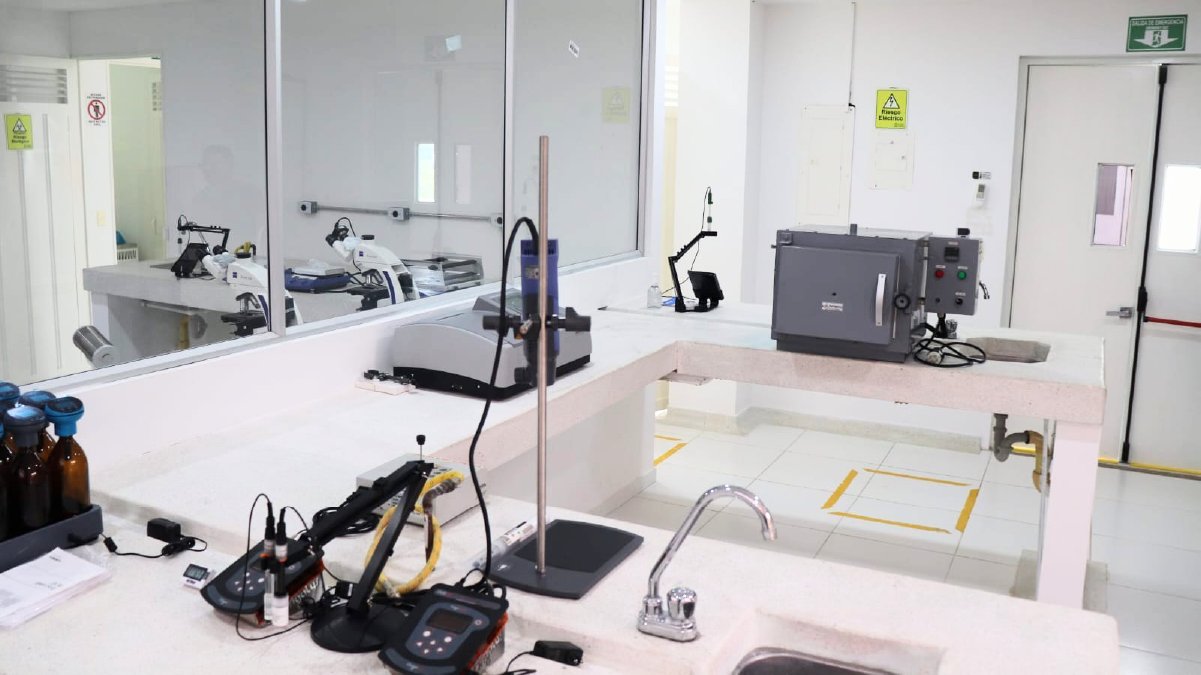
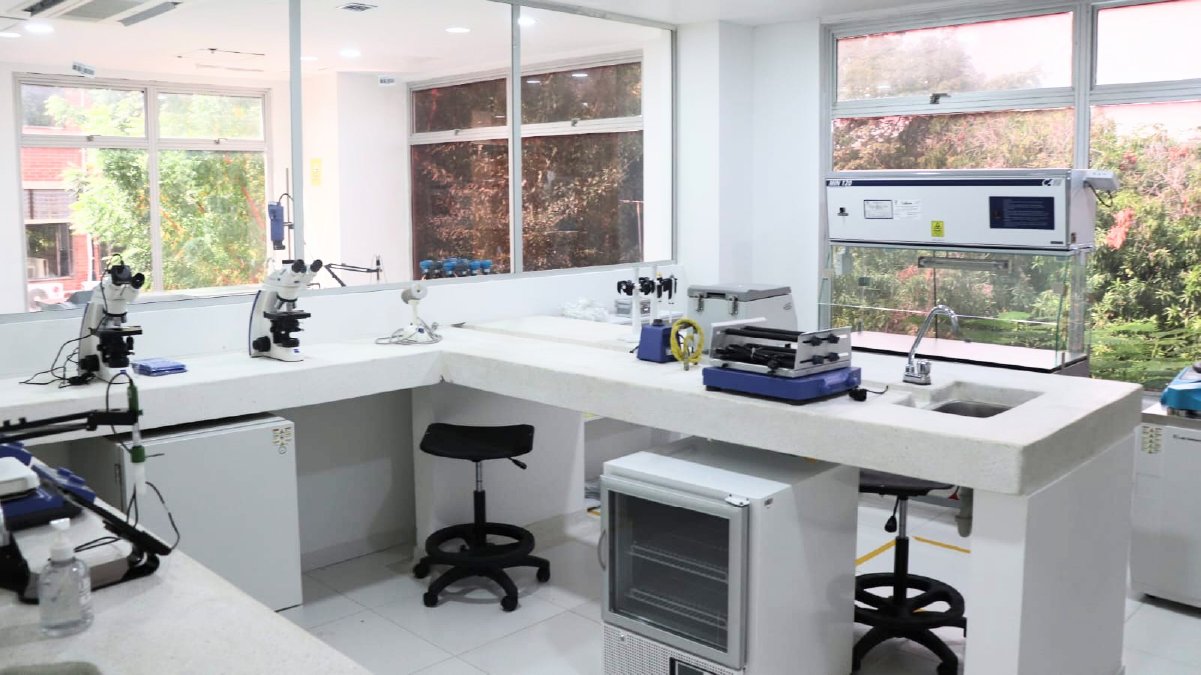
The University of Cundinamarca, Girardot branch, through its Environmental Engineering program, develops academic and research activities within the context of its learning fields of the 2020 training path, simultaneously strengthening the Water, Biology and Chemistry laboratories with state-of-the-art equipment and high-precision devices for the physicochemical, microbiological analysis and treatment of drinking and wastewater, guaranteeing a better construction of knowledge for our students and, in turn, facilitating the high-quality accreditation process for said academic program.
Fabián Sandoval, Coordinator of the Girardot branch laboratory, explained that “we not only have sophisticated equipment, but we are also progressing in the accreditation process for the NTC 17025 technical standard, which will allow us to offer a translocal service to the community at large, in order to generate more resources and provide a quality service regarding water, for the parameters that are very important for evaluating it. This process positions us as a translocal university, recognized by the community and with added value for our own students in the program, who will be able to carry out their academic and professional internships by providing this service to the community.”.
He also pointed out that the articulation with the Transmodern Digital Educational Model, MEDIT, consists of students applying the theoretical and practical knowledge they acquire towards the community, generating a translocal process of training for life and of solving the environmental problems that arise daily in our community.
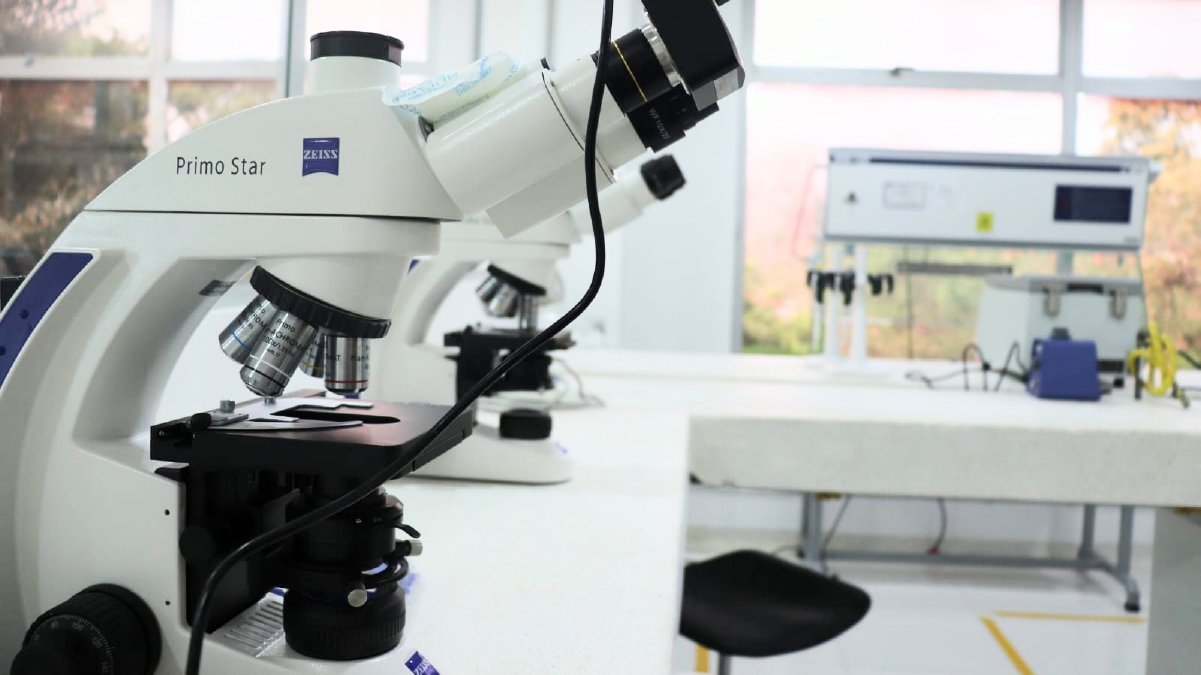
The university's Environmental Engineering Laboratory has received new equipment and resources that will strengthen the teaching and learning process and support its high-quality accreditation. Among the acquired resources are pilot plants, a hydrodrone, modern microscopes, autoclaves, ovens, incubators, and distillers. In addition, the physical spaces have been renovated to ensure optimal safety and quality conditions.
Nina Tatiana Valdés, an environmental engineer and laboratory technician, explained that these advancements benefit both knowledge and learning managers and students, as they facilitate the practical application of theoretical knowledge and the development of well-rounded professionals with a foundation for life. Valdés encouraged the university community to take advantage of these academic opportunities and to conserve the available resources.
Registrations open from April
The University of Cundinamarca invites those interested in training as professionals committed to the protection and care of the environment to enroll in the Environmental Engineering Program, attached to the Faculty of Agricultural Sciences, which offers high-quality education and translocal recognition, explained Luís Miguel Castañeda, Coordinator of Environmental Engineering, who highlighted that the graduates of the program are co-creative, innovative in the application of alternative solutions to environmental problems in the academic context and the territory (translocal).
The selection process for the next semester will open in April 2024 and will be conducted through the university's website, (https://www.ucundinamarca.edu.co/index.php/programas/pregrado/facultad-de-ciencias-agropecuarias/ingenieria-ambientalApplicants can register by completing an online registration form, where they can download the PIN and view the requirements. Those pre-registered for the Environmental Engineering program in Girardot must have a good ICFES score and an innovative, co-creative, and investigative attitude to address transmodern and translocal challenges. The program is an undergraduate program delivered in person with an estimated duration of nine semesters.
We invite you to listen to our podcast
News
News
News
News