News
2026-09-24
Human rights: part of professional training?
By: Alejandro García Suárez – Advisory Office of Communications



I am your virtual assistant, here to help you quickly and easily.
▲ Back to Top
By: Alejandro García Suárez – Advisory Office of Communications
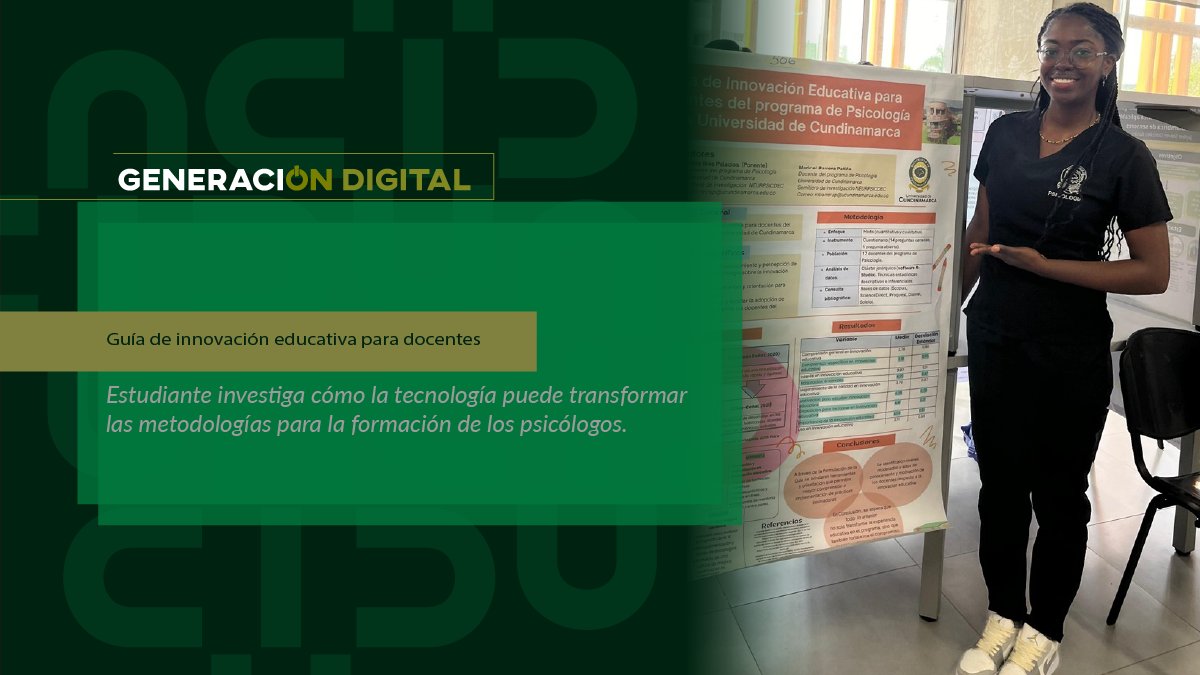
The Psychology program at the Facatativá campus is undergoing an educational transformation focused on integrating new pedagogical strategies. Within this context, Natalia Ríos Palacios, a seventh-semester student, has spearheaded an innovative project through the Neurpsicdec Research Group. Her goal is to develop an educational innovation guide that facilitates the adoption of technological tools and modern methodologies in the classroom.
The student explained that the guide will be developed gradually, based on the knowledge and interests of the teachers. The process will be geared towards strengthening and evolving current pedagogical practices within the program.
Natalia highlighted the effectiveness of methodologies such as project-based learning and the use of digital platforms that foster dynamic interaction between teachers and students. “These tools improve learning outcomes and prepare future psychologists to face professional challenges more effectively.”.
She also highlighted the impact of artificial intelligence on education, gamification as a strategy to strengthen motivation, and collaborative learning as an important methodology for empowering teachers and students.
Maricel Barrera Patiño, project director and Knowledge and Learning Manager for Psychology, emphasized the importance of student participation in national and international academic events. “It is essential that our students present their research proposals and developments, as this not only strengthens their professional training but also opens new opportunities for their future,” she stated.
Barrera Patiño also reported on the progress made in the diagnostic phase and the development of the educational innovation guide. Training for the program management team will be held soon, focusing on understanding and applying innovative strategies in the academic field.
With the implementation of this project, the program reaffirms its commitment to educational excellence. These initiatives not only benefit the academic community but also positively impact society by training highly skilled professionals prepared for the challenges of the future.
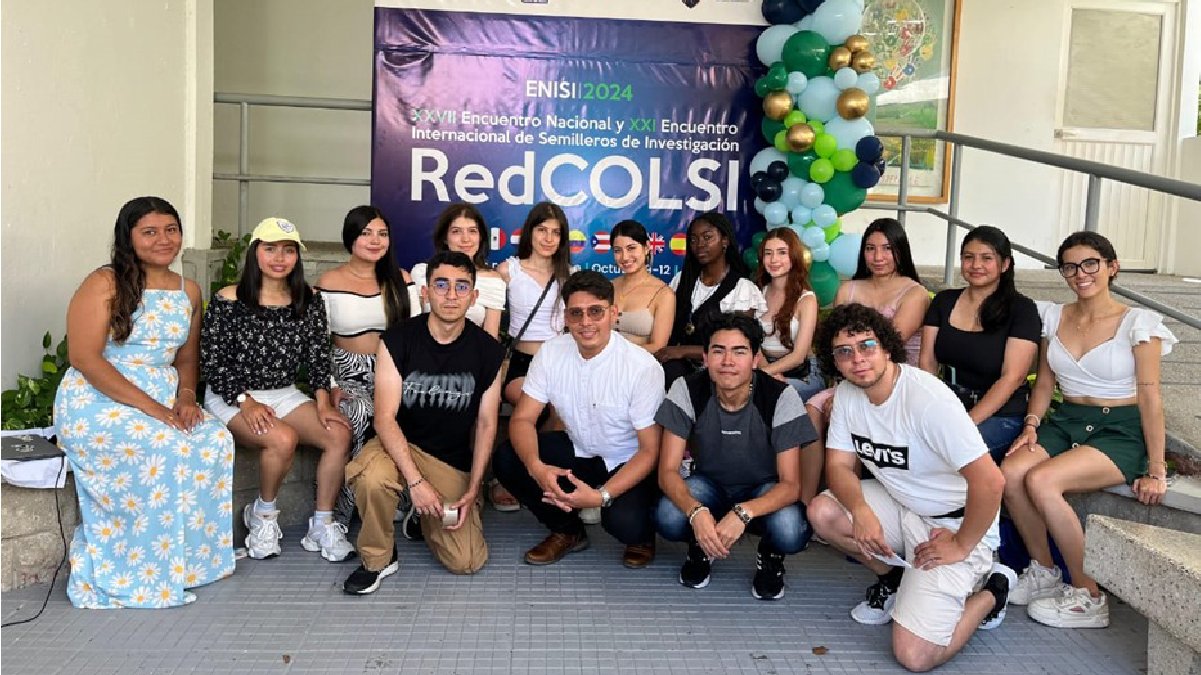
It is worth noting that Natalia has participated in two academic experiences that have enriched her training. The first was the 22nd Regional Meeting of Research Seedbeds (Redcolsi), an exchange forum where teachers and students shared best practices and explored new methodologies to optimize teaching and learning at the local level. This experience fostered a collaborative learning environment, strengthening the academic community.
At the national level, Natalia also participated in the 27th National and 21st International Meeting of Research Seedbeds in Barranquilla, where her project was part of a forum on trends and challenges in higher education. Interaction with representatives from other universities broadened her perspective on the future of education in Colombia and strengthened her knowledge networks.
The Psychology program is at a crucial juncture, as it is currently undergoing the renewal of its accreditation. This stage involves a curricular redesign that will incorporate innovative methodologies, such as problem-based learning, artificial intelligence, and collaborative learning, among others.
Listen to our Podcast:
News
News
News
News