News
2026-09-24
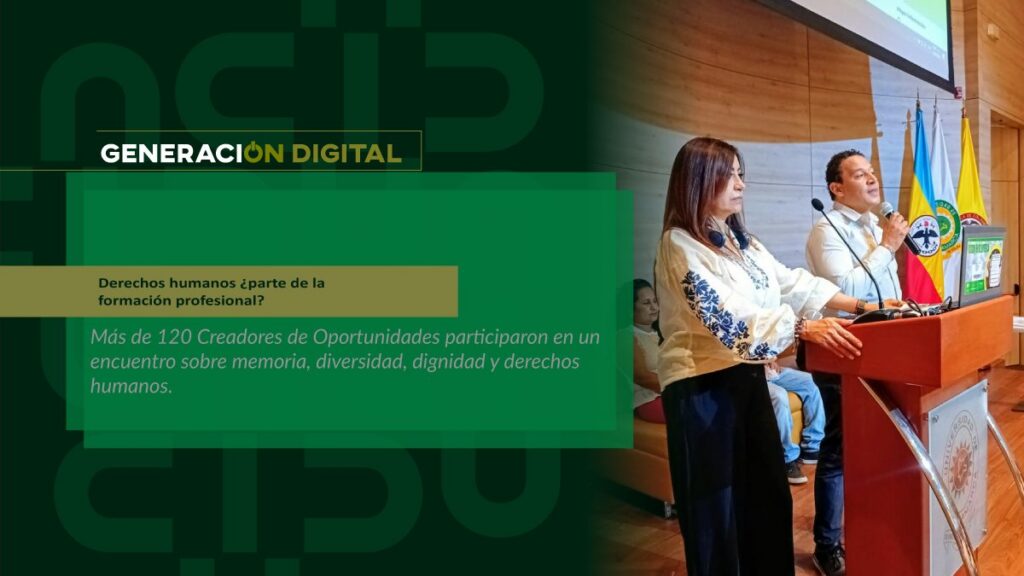
Human rights: part of professional training?
By: Alejandro García Suárez – Advisory Office of Communications



I am your virtual assistant, here to help you quickly and easily.
▲ Back to Top
By: Alejandro García Suárez – Advisory Office of Communications
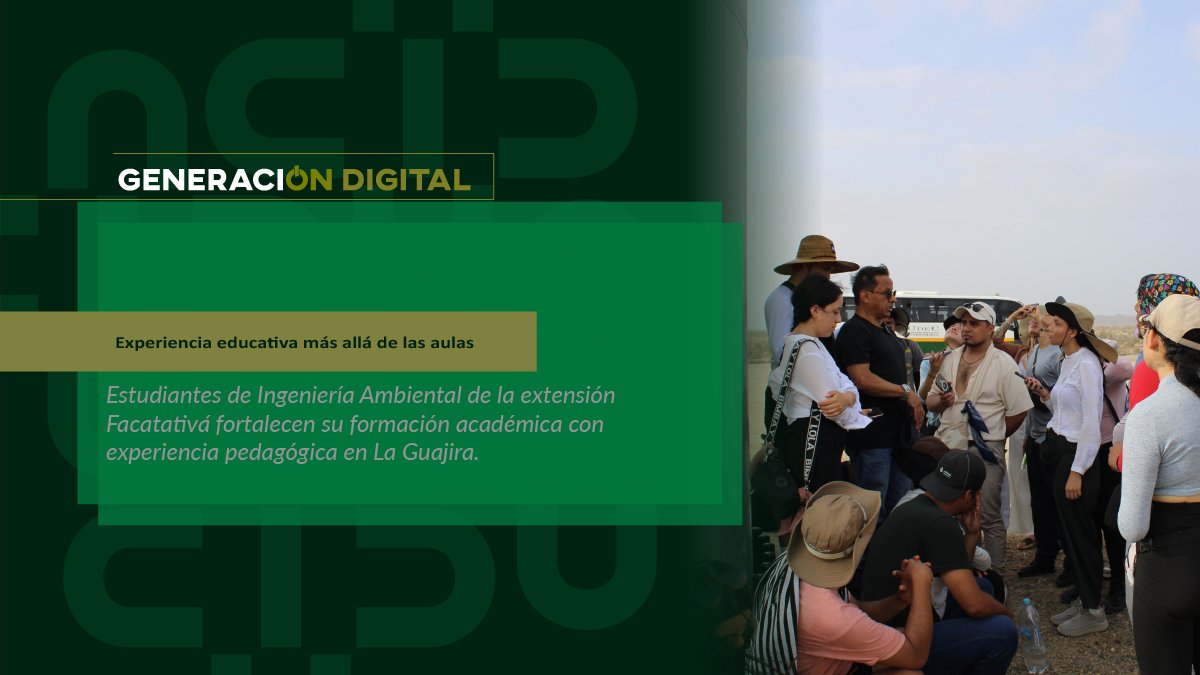
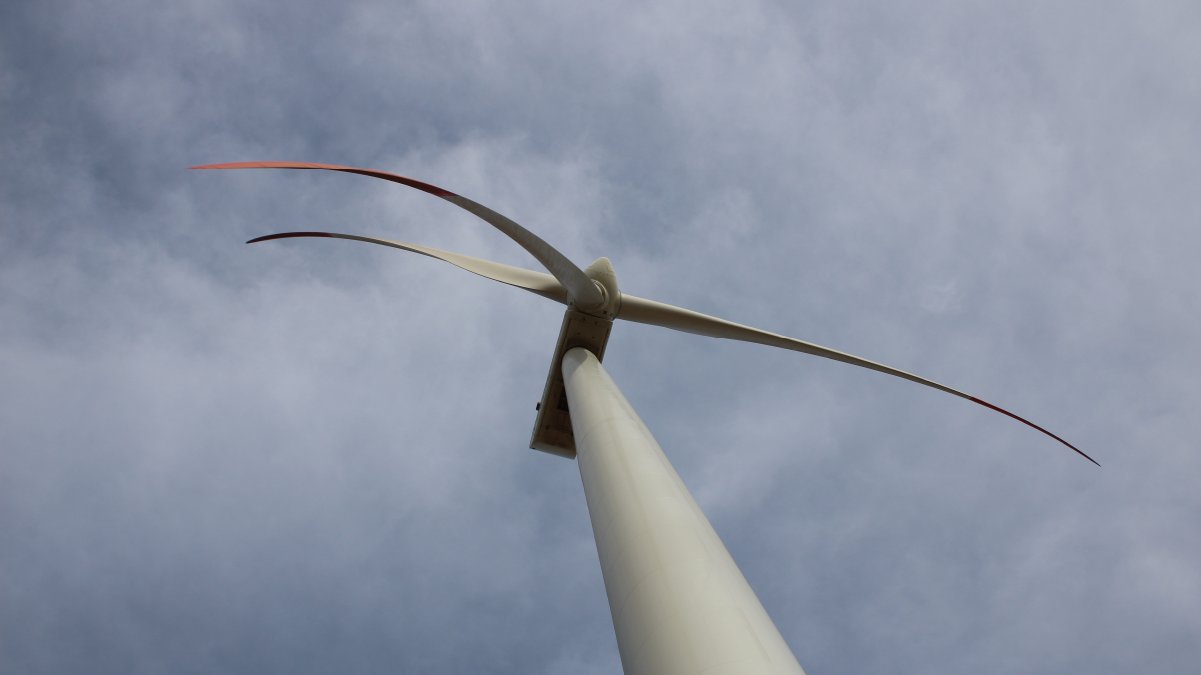
The Environmental Engineering program at the Facatativá extension carried out a training experience in La Guajira last May, in which the students addressed crucial topics such as the evaluation of the environmental impact of electrical infrastructure projects and regional problems such as solid waste management, tourism, water supply, wastewater disposal and environmental and socioeconomic management of protected natural areas.
Carlos Jhonnatan Alarcón Murillo, Knowledge and Learning Manager for Environmental Engineering, highlights the importance of these experiences, noting that "it is essential that students understand the broad context of environmental problems, both locally and in other regions of the country.".
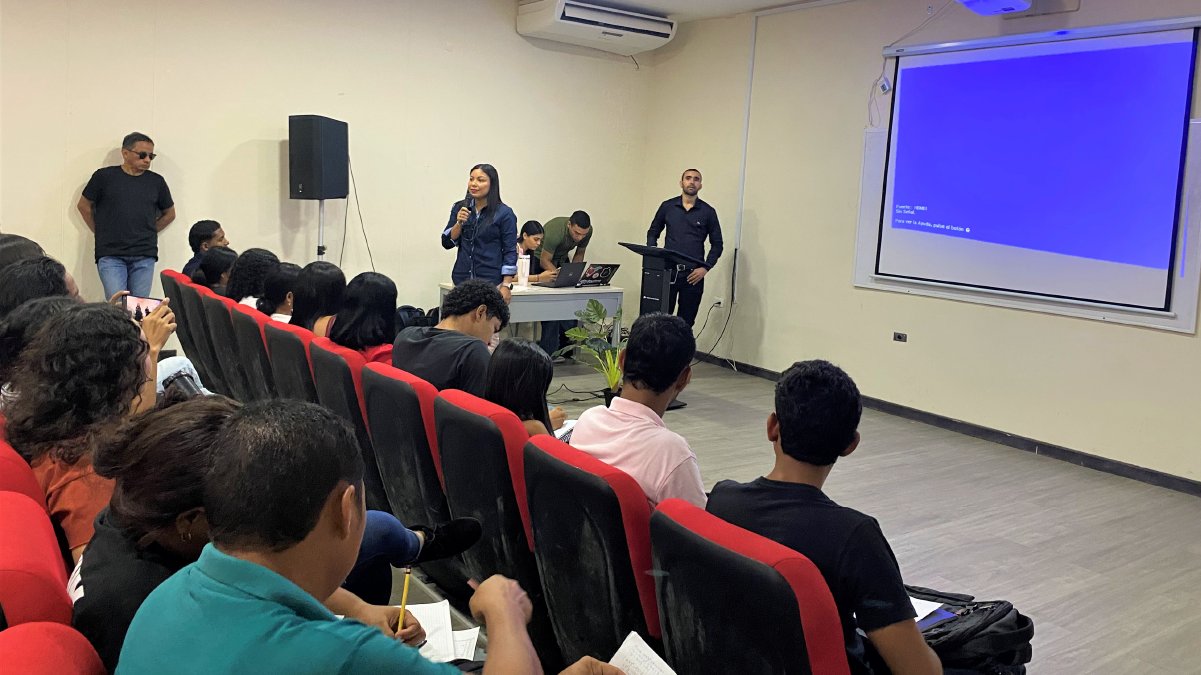
The trip included a visit to the University of La Guajira, where knowledge about mining and alternative energies was exchanged. In addition, topics such as the community's perception of the environmental impacts of mining in Cundinamarca were addressed, thus promoting the development of joint research projects.
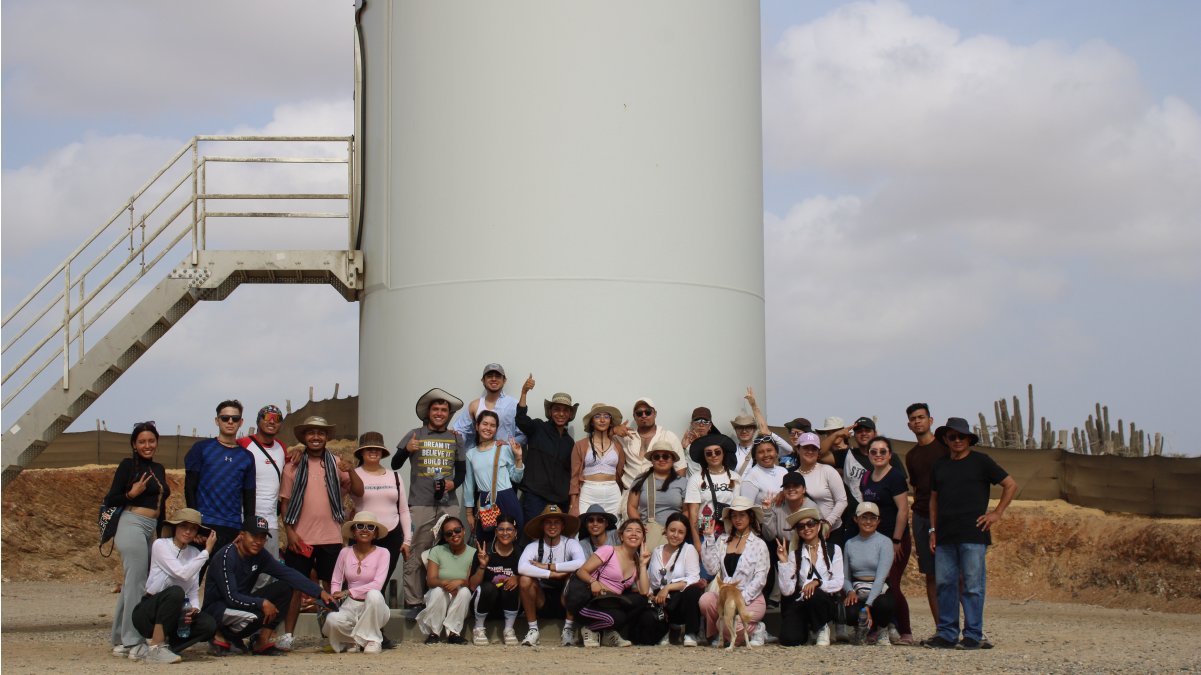
The tour of La Guajira allowed students to experience firsthand the region's biodiversity and its environmental and social challenges. From the Los Flamencos Flora and Fauna Sanctuary to the Isagén Wind Farm, the participants immersed themselves in unique knowledge and experiences.
Clearly, in these experiences, the Transmodern Digital Educational Model, MEDIT, is implemented by the university community, which faces real problems in the country and proposes solutions in the field in order to strengthen skills and knowledge.
Keily Johanna Rodríguez Torres, an eighth-semester Environmental Engineering student, highlighted how enriching the experience was, mentioning that they were able to identify the economic and environmental issues of the area, observing the diversity of fauna and flora, as well as the worrying water situation in La Guajira.
Meanwhile, seventh-semester student Eyder Andrés Ibarra Donato explained that one of the most concerning problems identified was the direct discharge of wastewater into the sea, evidenced by the presence of pipes that empty uncontrollably onto the beach. Furthermore, the abundant presence of trash, especially plastics, was observed at Cabo de la Vela, severely polluting the marine ecosystem.
It is worth noting that the University of Cundinamarca seeks to establish alliances with other academic institutions to strengthen its lines of research and promote student and faculty mobility at the national level.
Educational experiences are a key part of student training, giving them the opportunity to acquire practical knowledge, since the classroom and learning are not generated in a classroom but in the environment, and with the protagonists; the students, who generate opportunities and solutions.
Listen to our podcast:
News
News
News
News