Fusagasugá Branch
2026-09-24
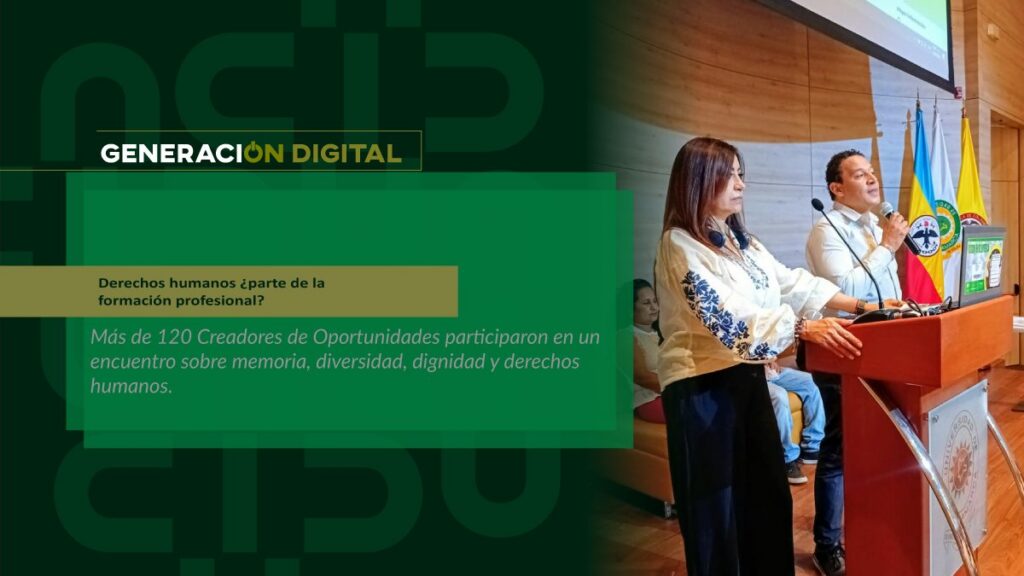
Human rights: part of professional training?
By: Alejandro García Suárez – Advisory Office of Communications



I am your virtual assistant, here to help you quickly and easily.
▲ Back to Top
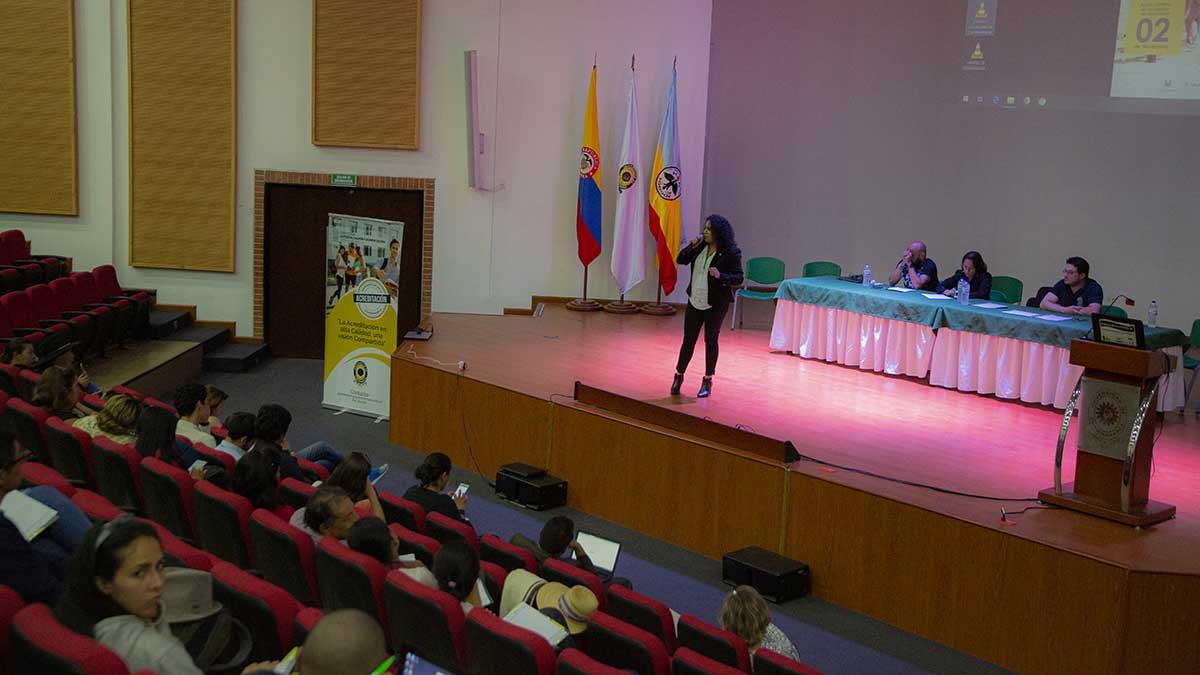
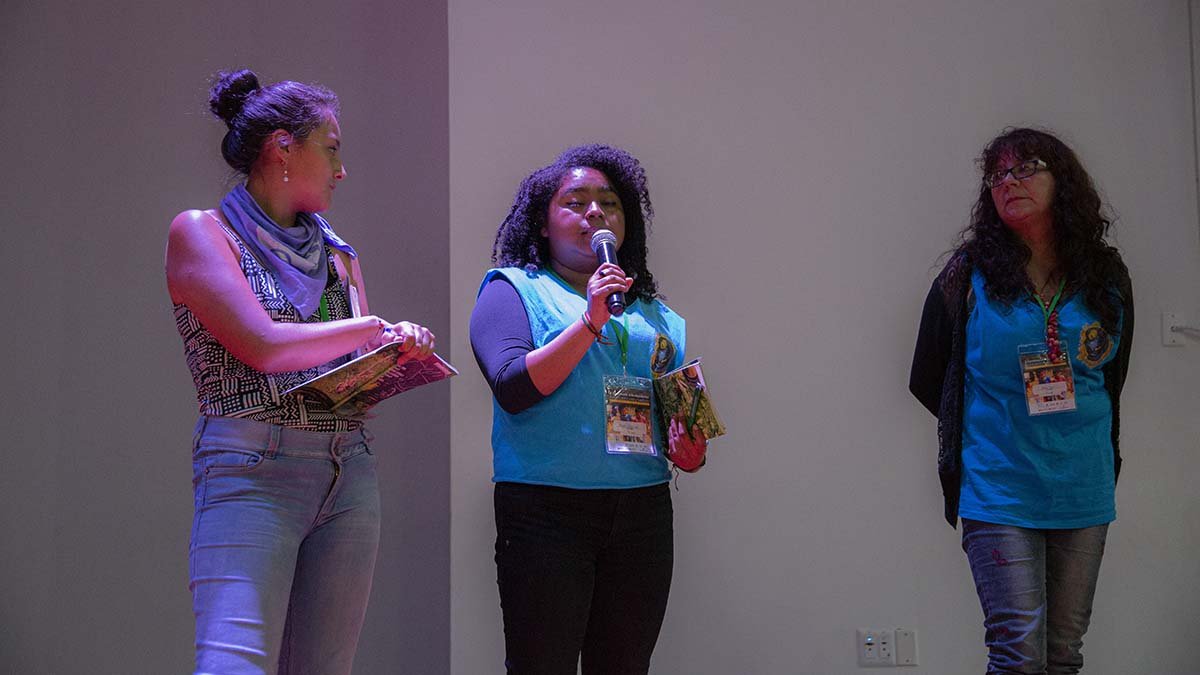
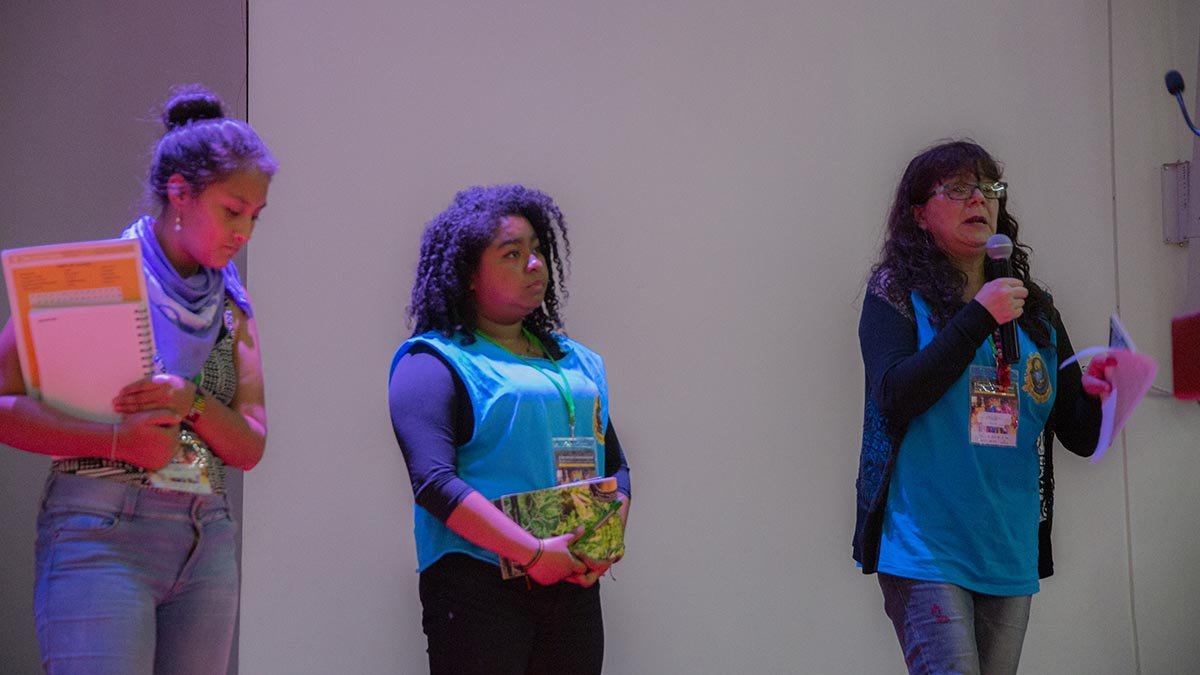
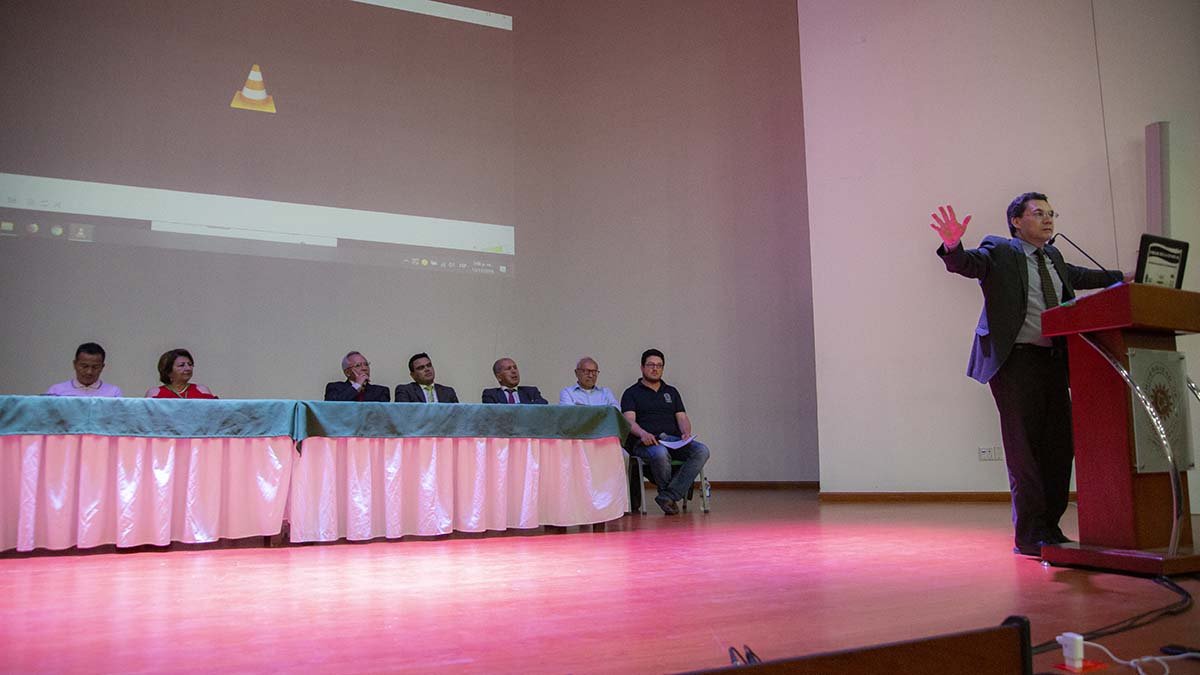
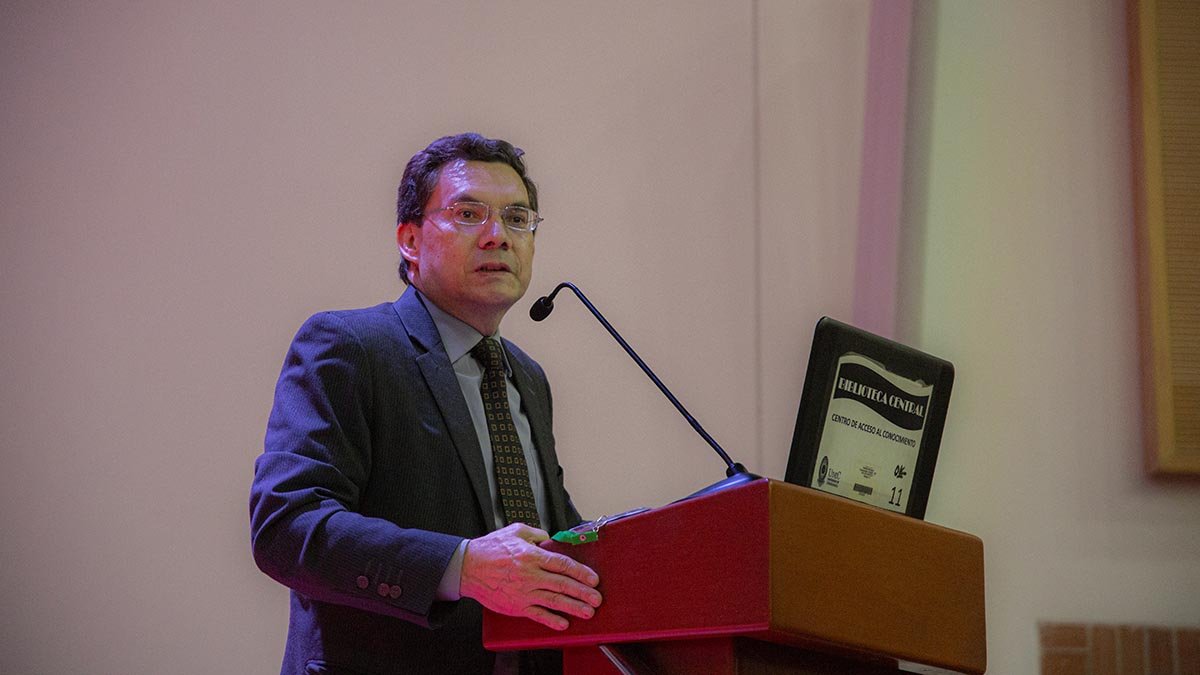
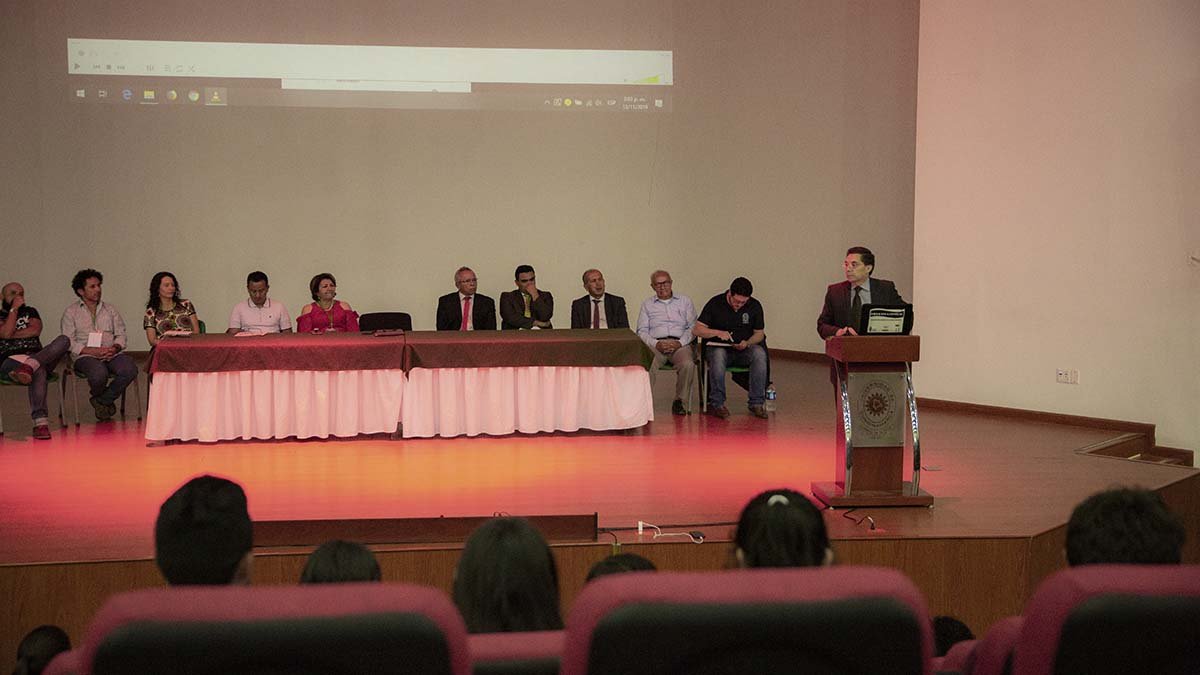
The academic event was developed through thematic tables focused on education, post-agreement and territory; educational experiences in rural areas; popular education and territory; and education, interculturality and environment, with the participation of renowned national and foreign educators from Brazil and Mexico.
The international seminar aimed to reflect on rurality and education as part of the diversity of rural territories in Colombia, as well as to analyze the effects and tensions of the implementation of the peace agreement and the perspectives that have arisen in the rural territory, as a possibility of change in education and the culture of peace in the different dimensions of society.
Similarly, another central objective of the event was to present and discuss strategies and possibilities for educational intervention by teachers, social leaders, farmers, Indigenous people, Afro-descendants, and other individuals who interact in rural societies. The theme, “building territories of peace in times of post-agreement,” refers to the role of education in constructing the memory of the conflict, contributing to the continued existence of individuals who have experienced violence and the structural inequality of rural societies.
“Education is a fundamental pillar for us to turn the page between a past without peace and a present with the possibility of consolidating it. Achieving peace is our greatest moral and political aspiration.”.
Educational processes are the best way to ensure that we do not return to our traumatic past. From schools and universities, we are carrying out actions related to peace, which seek the reconciliation of citizens, the strengthening of human bonds, the clarification of the facts, and the consolidation of peace as a common good,” said Víctor Eligio Espinosa Galán, director of the Bachelor's Degree in Social Sciences, in his welcoming remarks on the topic of peace and territory in times of crisis.
At the panel discussion on popular education and territory, Lola Cendales, a doctoral candidate in Educational Theory and Social Pedagogy at UNED, Spain, emphasized: “Our role as educators, leaders, and workers is to accompany the emancipatory educational processes of groups and individuals. We have a routine, traumatic school system; it needs to change, because education goes beyond the classroom and beyond any organization we work in.”.
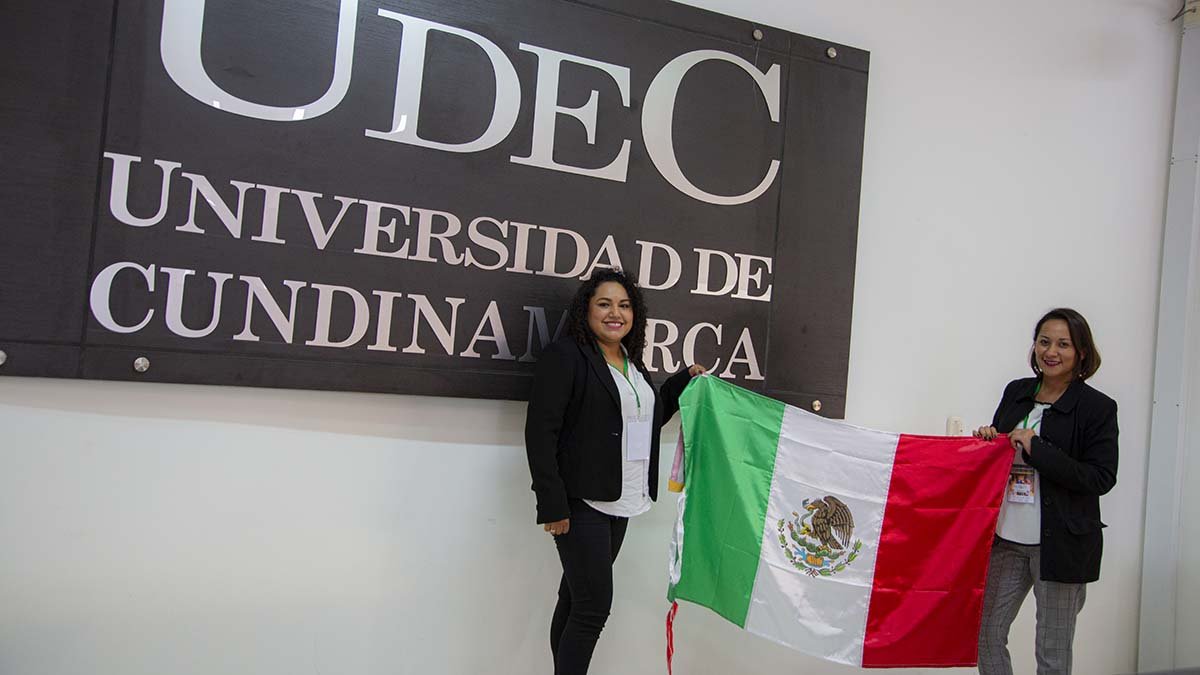
Dr. Mayra Lizet Gutierrez Guerrero, from the Technological Institute of Roque, Mexico, in her lecture: “Challenges of local producers to international trade integration” explained the main international treaties that Colombia has with other countries and the trade relations with Mexico.
“The greatest contribution of my talk is to awaken in young people the importance of the interdisciplinary nature of social sciences, administration, and law as a crucial tool for boosting exports. Exports are hindered by a lack of export culture and by the costs involved in transportation. It is important to understand INCOTERMS (International Commercial Terms), created by the International Chamber of Commerce to regulate international business.”.
"And in Colombia, there is a reluctance to diversify exports and the belief that it can only export coffee and oil, despite having natural wealth, fertile land, exotic fruits, and other products. There is a reluctance to become regulated and partner with other producers; business owners do not see exporting as a growth strategy," Gutiérrez Guerrero stated.
The academic event was led by the Bachelor of Social Sciences program at the Fusagasugá campus and the Surcolombiana University of Neiva, and the Social Sciences program.
News
News
News
News