News
2026-09-24
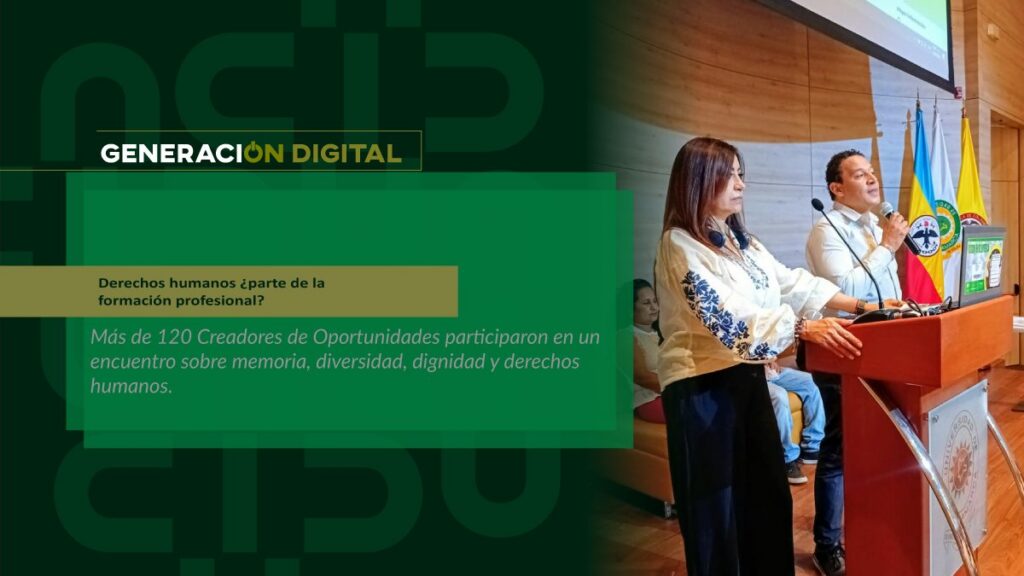
Human rights: part of professional training?
By: Alejandro García Suárez – Advisory Office of Communications


I am your virtual assistant, here to help you quickly and easily.
▲ Back to Top
By: Lorena Chacón
Advisory Office of Communications
University of Cundinamarca
In Colombia, ecotourism is a topic of great importance because it is the second most biodiverse nation in the world, and the ecotourism dimension can allow the generation of economic well-being without destroying the components of nature in regions with a high potential of biological and abiotic resources.
In this way, the country's biodiversity opens the door to the development of activities related to biocommerce, understood as obtaining goods and services derived from local biodiversity, and ecotourism, understood as tourism that educates, protects, and provides well-being based on the natural resources of a region.
In the particular case of the department of Cundinamarca, its geopolitical position allows it to direct these ecotourism activities by presenting different types of terrestrial and freshwater ecosystems, integrated in complex landscapes and thermal zones with natural reserves and civil society reserves that as destinations allow generating environmental awareness and identity.
Therefore, to delve deeper into this important matter, we spoke with Jack Fran Armengot García Pérez, a biologist from the University of Tolima and a Master of Science in Biological Sciences from the University of Valle, who has been linked since 2008 as a teacher in the Environmental Engineering program at the University of Cundinamarca, Girardot branch.
UCundinamarca: From your perspective as a biologist, what factors make Colombia a recognized country as an ecotourism destination?
Jack Fran Armengot García Pérez (JGP): I will cite five main factors: access to two oceans, different thermal zones, variety of terrestrial and freshwater ecosystems, first country with the largest number of species of birds and orchids and, lastly, the complexity and great value of the different cultures and ethnicities that have historically resisted in Colombia.
UCundinamarca: What are green businesses and what is their importance today?
JGP: Green businesses are activities and production systems based on the rational and sustainable use of biodiversity, generating financial benefits for the communities that develop them. These bio-businesses allow for integration with different public and private sectors that can consider new ventures or market ideas related to the circular economy and the bioeconomy. Generally speaking, they are very important for strengthening local economies in various sectors, such as agribusiness or pharmaceuticals. Examples in these sectors include the production of flours and preserves from native fruits, or the development of medicines based on medicinal plants.
UCundinamarca: Tell us about the project “”Development of business prototypes in biocommerce derived from productive social chains located along the traditional trails of Girardot and Alto Magdalena, based on the vegetation of the tropical dry forest,” implemented at the UCundinamarca, Girardot branch. Who carried it out? And what is its relevance for Cundinamarca?
JGP: The project in question was developed by a multidisciplinary team comprised of research professors Darío Benavides Pava, Mauricio García Arboleda, María Lisbeth Cárdenas Vergaño, and Diego Édison Quiroga Rojas from the Business Administration program, and professor María Rodríguez from the Environmental Engineering program at the University of Cundinamarca, Girardot campus. The team also includes contributions from environmental engineer Gina María Morales García and thesis students Nini Tatiana Serna García, María Paula Gómez Leal, María Angélica Godoy Merchán, Gabriela Andrea Gutiérrez Gaitán, Geraldin Andrea Niño Galindo, and Faisury Alexandra Llanos Ortiz.
In terms of its relevance, the Upper Magdalena region, as a province of Cundinamarca, attracts a large number of tourists due to its scenic features, such as the Magdalena River and its tributaries, as well as its rich cultural and gastronomic offerings, which are attractive to both domestic and international visitors. However, this conventional tourism, according to the present project, must transition to ecotourism. This ecotourism must go beyond recreation and integrate conservation and the rights of nature, as well as the cultural and historical heritage of the eight municipalities that comprise this province, along with environmental education. Only by valuing our natural resources and making truly rational use of them can we generate a more inclusive, participatory, and multicultural knowledge society. In other words, we can develop science, technology, and innovation based on the privilege and comparative advantage of being one of the ten most megadiverse countries in the world.
UCundinamarca: What are the specific places where ecotourism can be carried out according to the results of the research project?
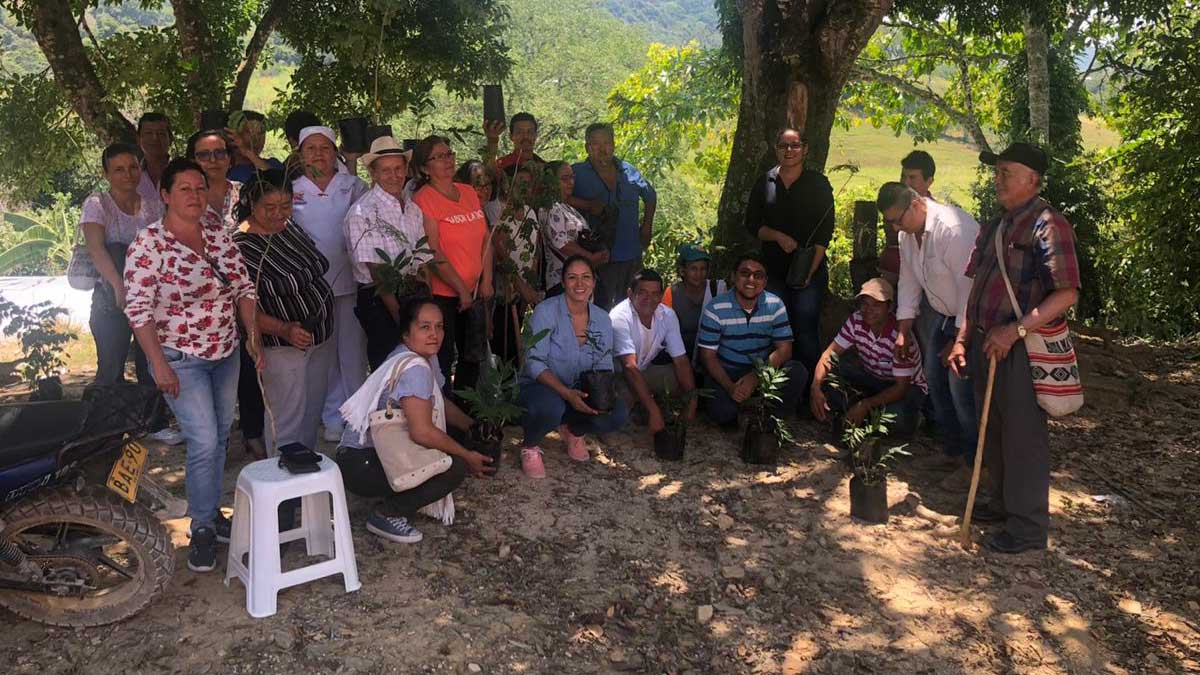
JGP: Exploratory work has identified 48 sites with ecotourism potential in the Alto Magdalena province. These sites are directly connected at the municipal level to areas of ecosystemic importance or historical-cultural significance. Examples of these focal areas include: the Pozo Azul artificial wetland in Girardot; the La Grande stream in the Copo district of Tocaima; the Charco de La Mula natural pool in Nilo; and [unclear - possibly "unclear - possibly "unclear" or "unclear" - possibly "unclear"] in Guataquí. the Buscavida stream, in Agua de Dios the Mana Dulce reserve and in Ricaurte the El Yulo wetland.
UCundinamarca: How can ecotourism and biocommerce be developed without affecting the ecosystems of these places?
JGP: First and foremost, trust must exist, and this begins and is strengthened through participatory actions and forums focused on the needs of those who inhabit these territories. In both ecotourism and bio-trade, the recognition and consensus of local communities regarding the goods and services derived from their natural and cultural resources is vital. These participatory actions also allow for the collaboration of diverse actors and public and private sectors who, together with local governments, can support, manage, and regulate these proposals and initiatives. The viability of these proposals, as well as their planning, design, and implementation, must prioritize not only economic rationality but also sociocultural well-being and nature conservation.
UCundinamarca: Why should more people be interested in ecotourism in Cundinamarca?
JGP: Ecotourism allows us to understand that nature is not just a collection of raw materials: a concept that has been promoted in classical economics with disastrous effects on health and the environment. In this sense, ecotourism allows for an appreciation that goes beyond the monetary, assigning a value of perception in tolerance and respect for the elements of nature and how our species integrates with its environment, based on the logic that we must share the same planet, which is being degraded, and if we do not change our vision of excessive consumption, we can seriously impact it.
In the case of Cundinamarca and its provinces, all present a variability in ecosystems, climates and historical and cultural elements that ecotourism can unite, forming a true social fabric in which the identity of one municipality unites with others and, in this way, a whole circuit of rational and sustainable tourism is built on the basis of biodiversity.
UCundinamarca: How did the pandemic affect ecotourism and how can these difficulties be overcome?
JGP: COVID-19 affected all productive sectors, and in the case of ecotourism, this decline was likely due to restrictions on mobility and access to services related to nature appreciation through guided tours and trails. However, these difficulties must be addressed with various initiatives, whether from territorial governments, local leaders, or other stakeholders in the municipalities, to share their proposals virtually and collaboratively develop an ecotourism route for their territories.
In this sense, the post-pandemic period should leave us with a cooperative learning experience for building joint ventures and projects, in which an alternative plan is directed based on an economy that depends on biodiversity, without being less important the convergence of technical, technological and scientific knowledge with cultural and indigenous knowledge.
In addition to building or strengthening ecotourism routes in their territories, communities can take advantage of this pandemic period to participate in awareness campaigns and virtual training sessions related to ecotourism, organized by various institutions such as universities and NGOs that want to support this human capital in need of guidance. However, given the reality of limited connectivity in many regions of the country, a genuine commitment from local and regional governments to make this connectivity possible is vital.
UCundinamarca: Why is it important to continue developing studies related to ecotourism in Colombia and Cundinamarca?
JGP: While so-called core countries, which are not very biodiverse, base their development on cutting-edge science and technology, peripheral countries like Colombia must base their science and technology on the rational and sustainable use of biodiversity. This rational use of natural resources can be enhanced by ecotourism and bio-trade. In other words, as a nation we probably can't compete in the creation of artificial intelligence, but we can compete by showcasing the best ecotourism trails or routes in the world.
In the case of Cundinamarca, we must leverage its diverse ecosystems, climates, and cultural and historical knowledge. However, this utilization of the aforementioned strategic attributes must go hand in hand with policies and regulations that promote the development of a bioeconomy and, undoubtedly, with the support and investment of both the public and private sectors. It is also crucial that universities, as knowledge managers, foster the development of research lines that explore the relationship and integration of the economy, biodiversity, and indigenous knowledge.
News
News
News
News