News
2026-09-24
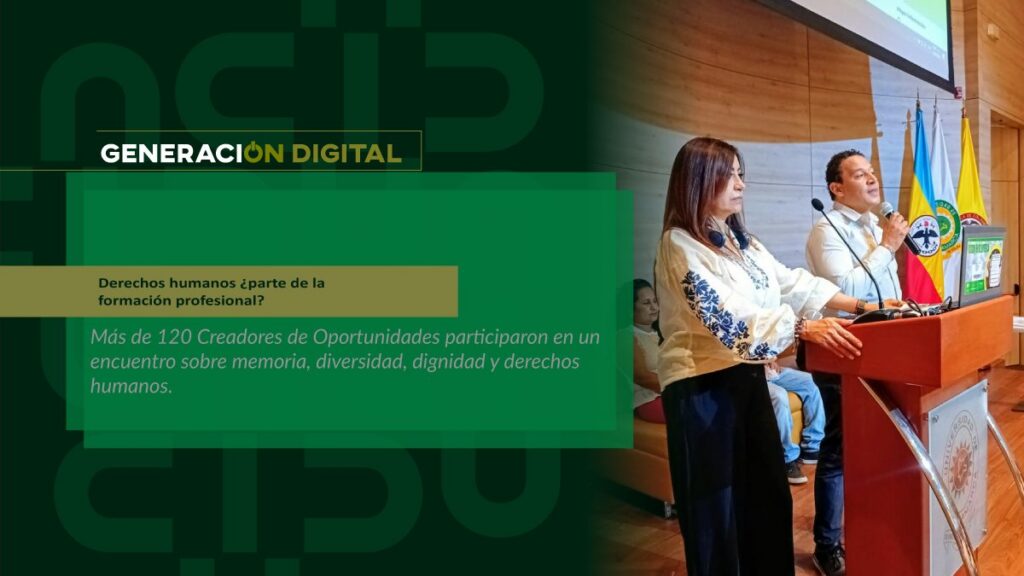
Human rights: part of professional training?
By: Alejandro García Suárez – Advisory Office of Communications


I am your virtual assistant, here to help you quickly and easily.
▲ Back to Top
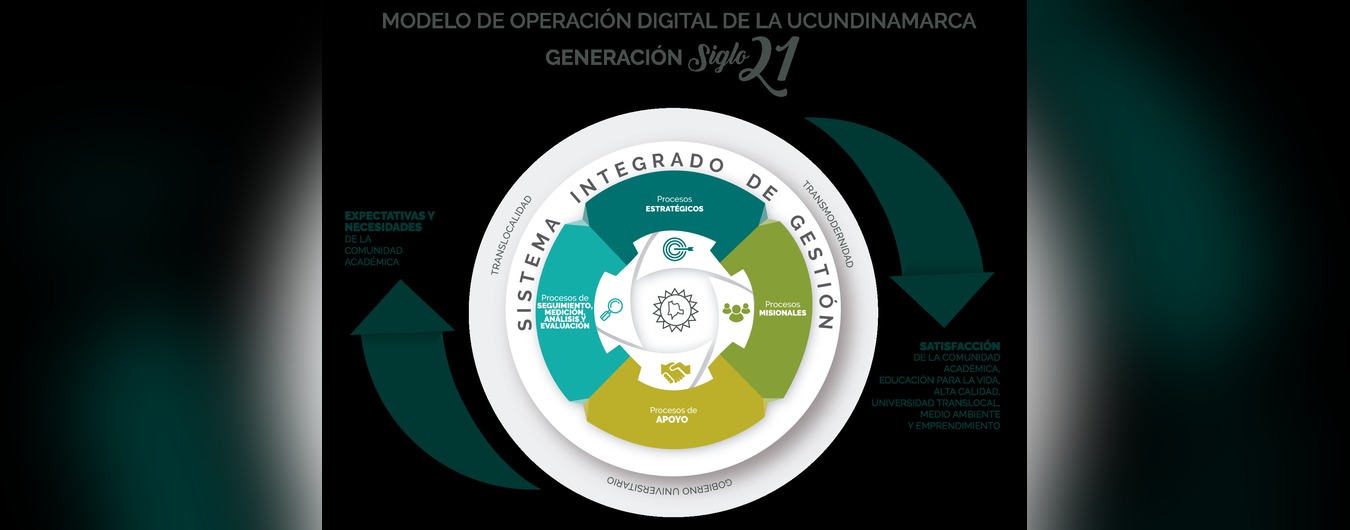
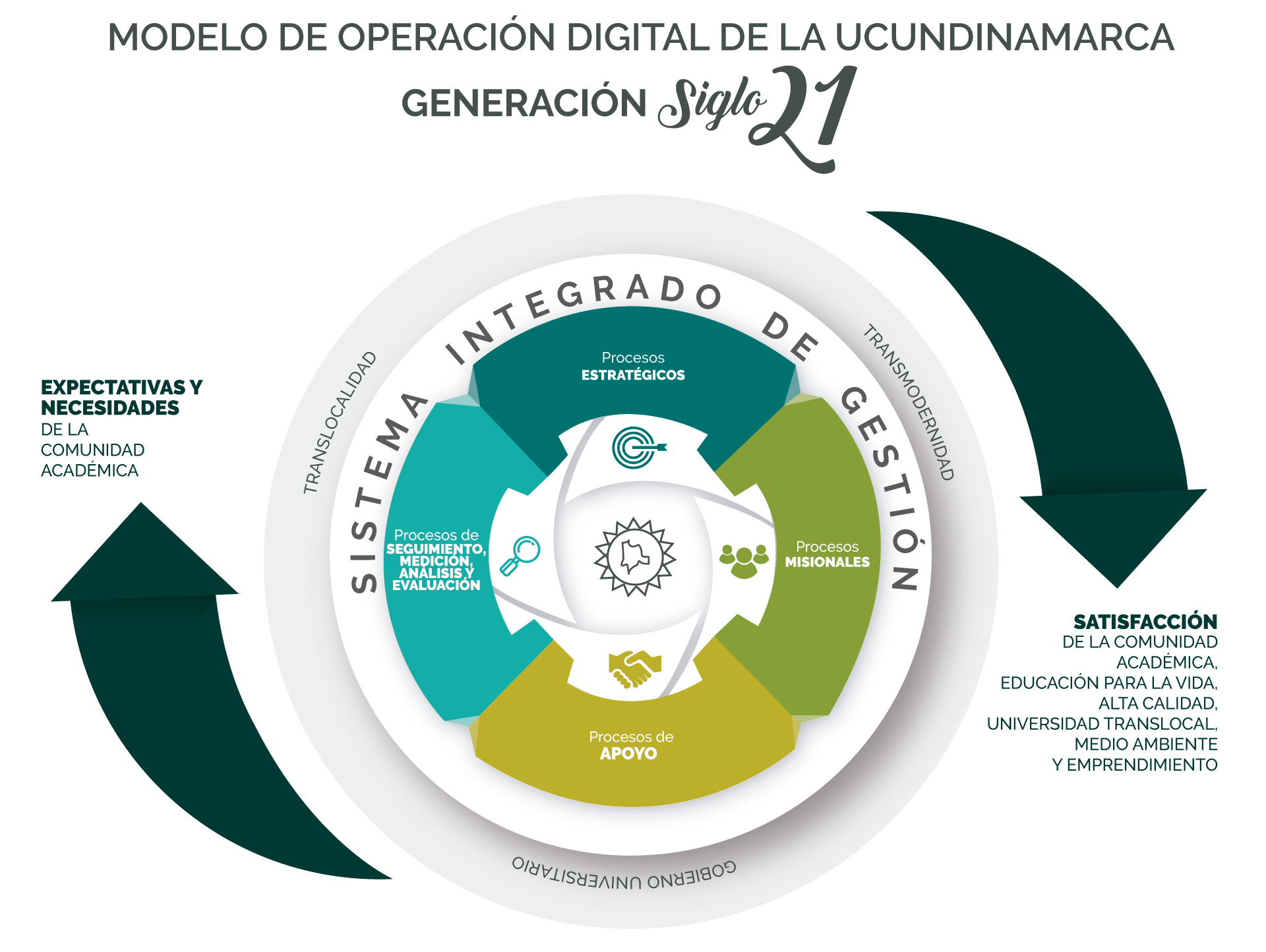
Through Resolution 156 of November 1, 2017, the creation of the “Digital Operating Model of the University of Cundinamarca” was approved, with which it is intended to develop and organize the structured processes within the University in order to respond to the needs of all identified interest groups in an effective and timely manner.
This means that each responsible manager must thoroughly understand their process, knowing the role each person plays within it in order to make appropriate decisions. Organizing around processes means executing work in a disciplined manner and continuously striving for improvement.
The Digital Operating Model of the University of Cundinamarca is integrated into the Strategic Planning model through the following process tree:
Macroprocess Process Strategic Macroprocess Institutional Planning Process, Communications Process, Special Projects and Interinstitutional Relations Process, Self-Evaluation Process, Accreditation Under construction Integrated Management System Process Mission Macro-process Misional Component: Training and Learning Process, University Interaction Process, Science, Technology and Innovation Process Substantial Component: University Welfare Process, Admissions Process, Graduation Process Under construction Academic Project Process Under construction Internationalization Process Under construction Support Macroprocess Academic Support Process, Financial Process, Goods and Services Process, Legal Process, Human Resources Process, Systems and Technology Process, Document Process Macroprocess for Monitoring, Measurement, Analysis, and Evaluation Citizen Service Process, Internal Control Process, Disciplinary Control Process
The Operating Model is committed to providing high-quality educational services that meet the needs and expectations of stakeholders, including students, faculty and researchers, graduates and alumni, administrative staff, contractors and suppliers, oversight bodies, media, parents, the community, professional associations, the productive sector, and higher education institutions. Its operation revolves around cross-cutting strategic planning pillars such as translocality, transmodernity, and digital university governance, in order to provide knowledge management solutions to the entire academic community.
News
News
News
News