Fusagasugá Branch
2026-09-24
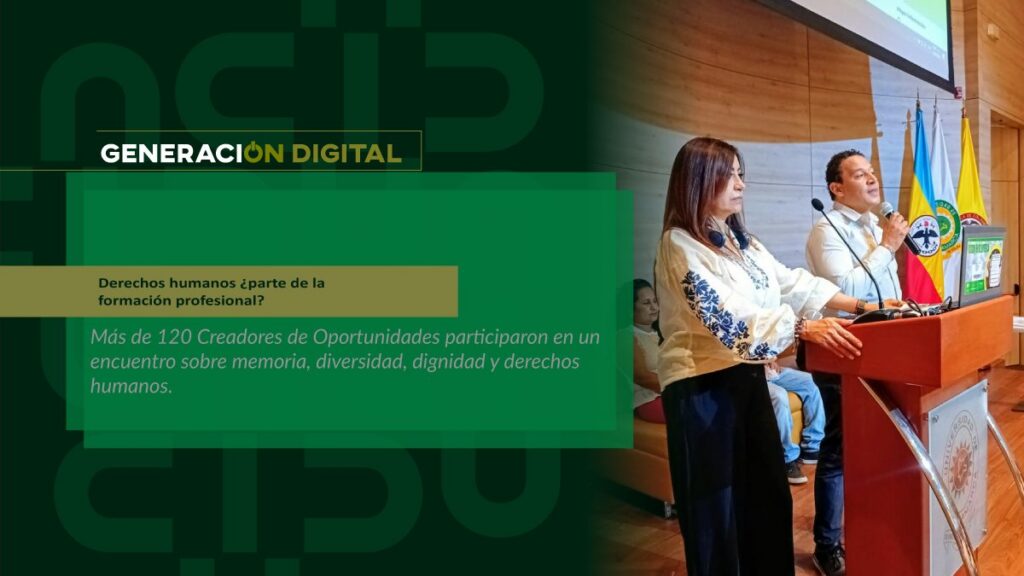
Human rights: part of professional training?
By: Alejandro García Suárez – Advisory Office of Communications


I am your virtual assistant, here to help you quickly and easily.
▲ Back to Top
By: Alejandro García Suárez – Advisory Office of Communications
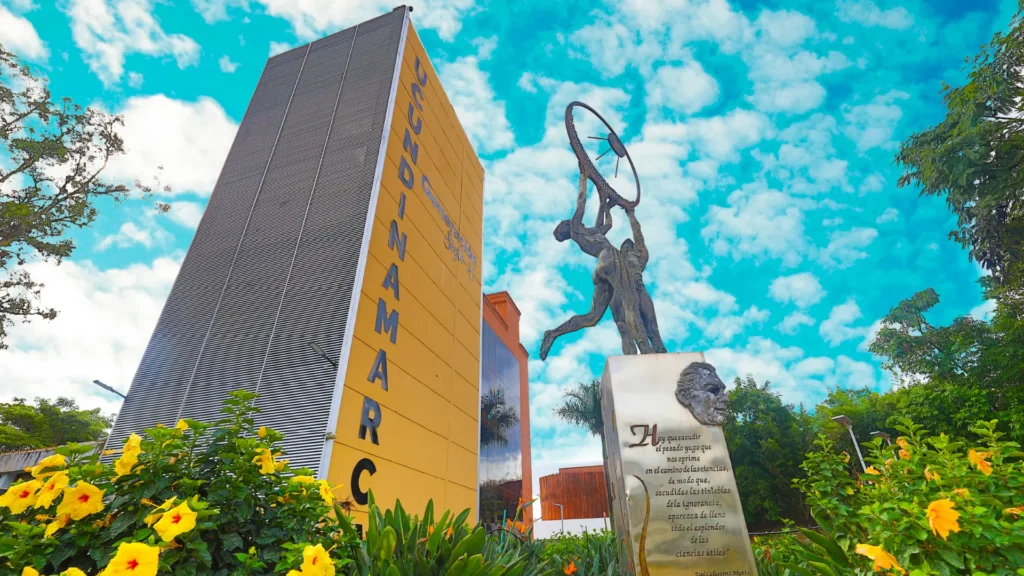
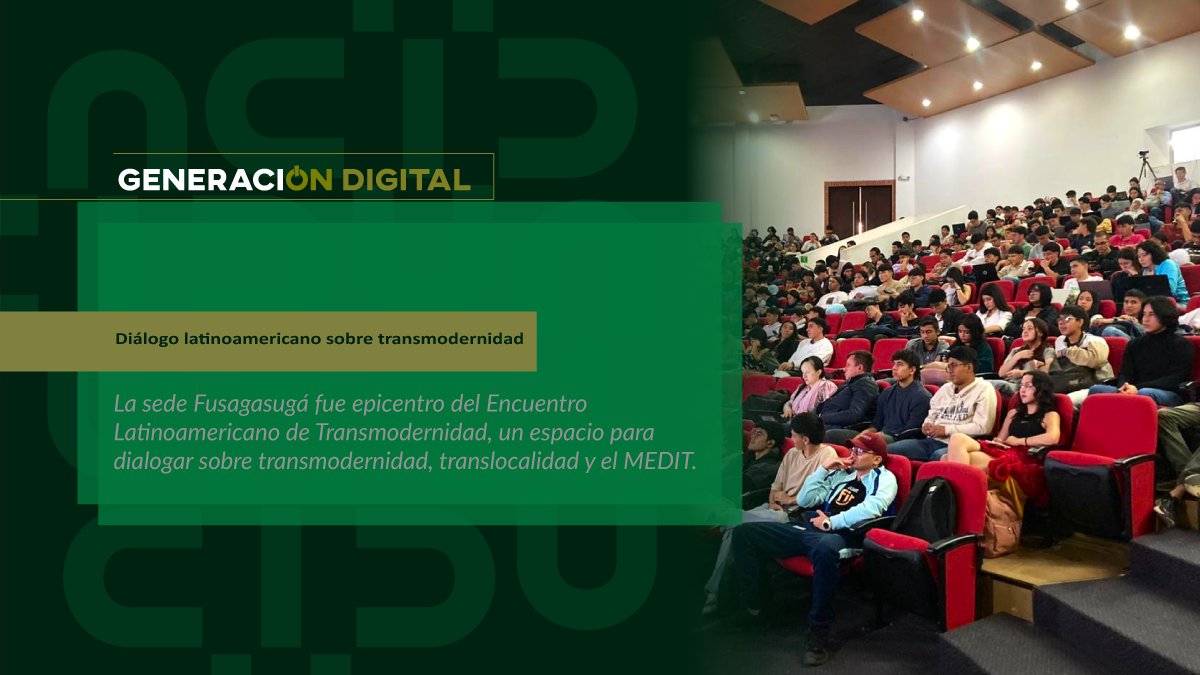
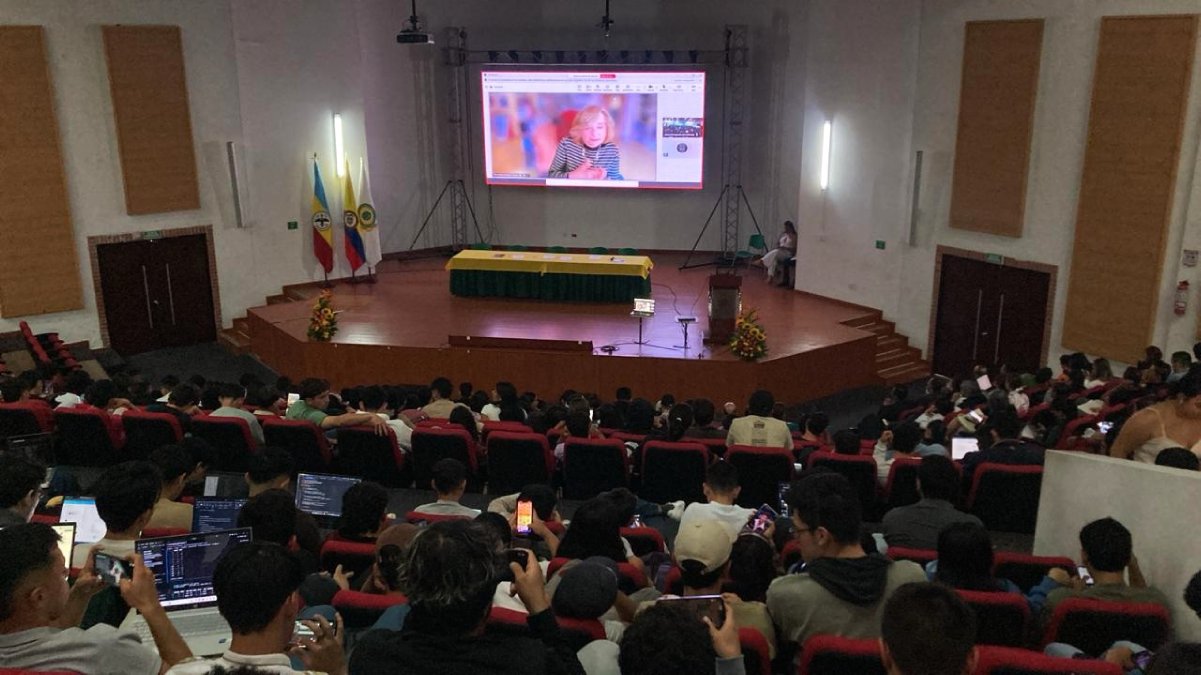
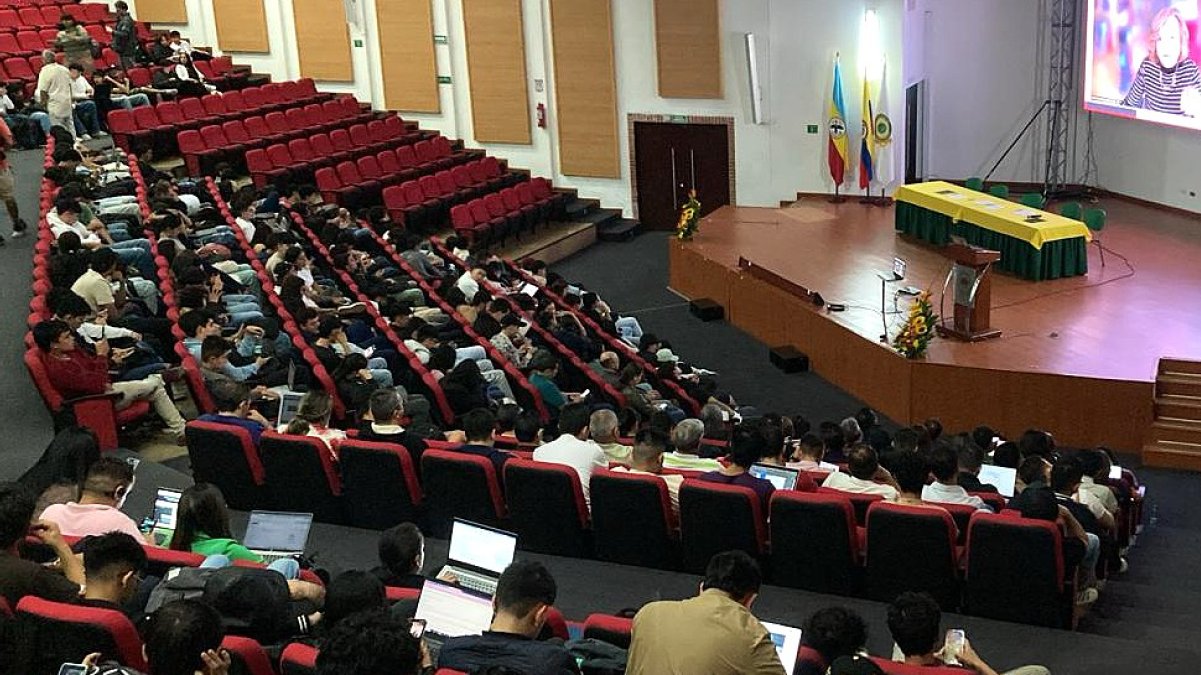
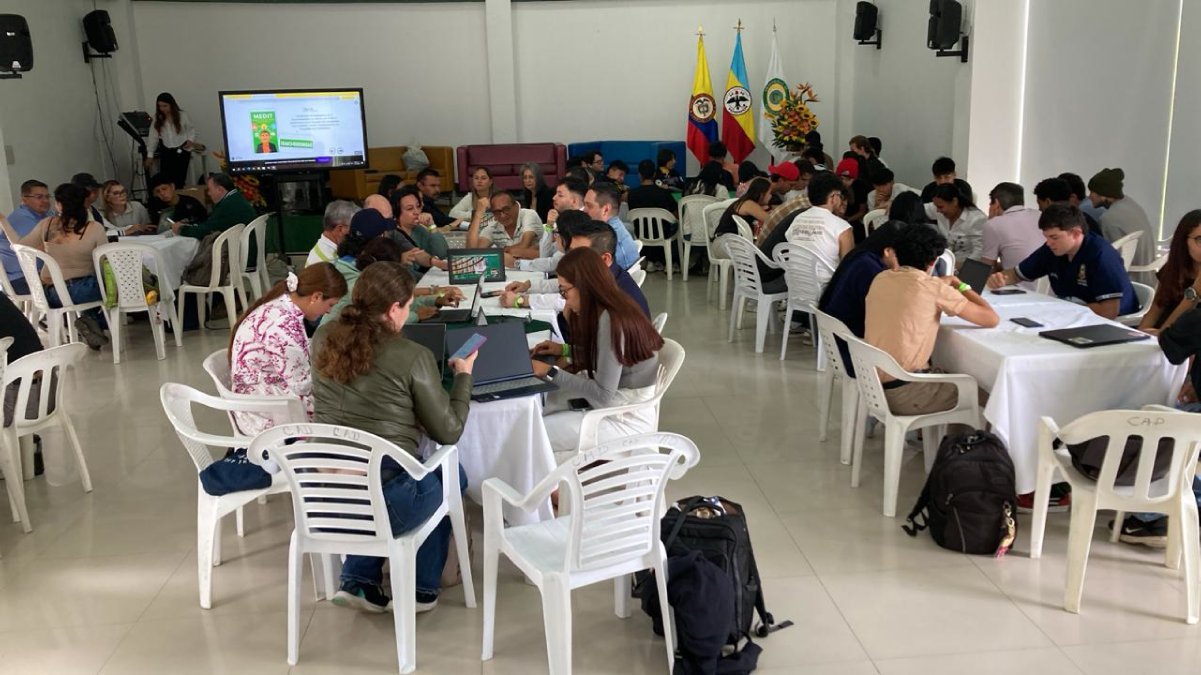
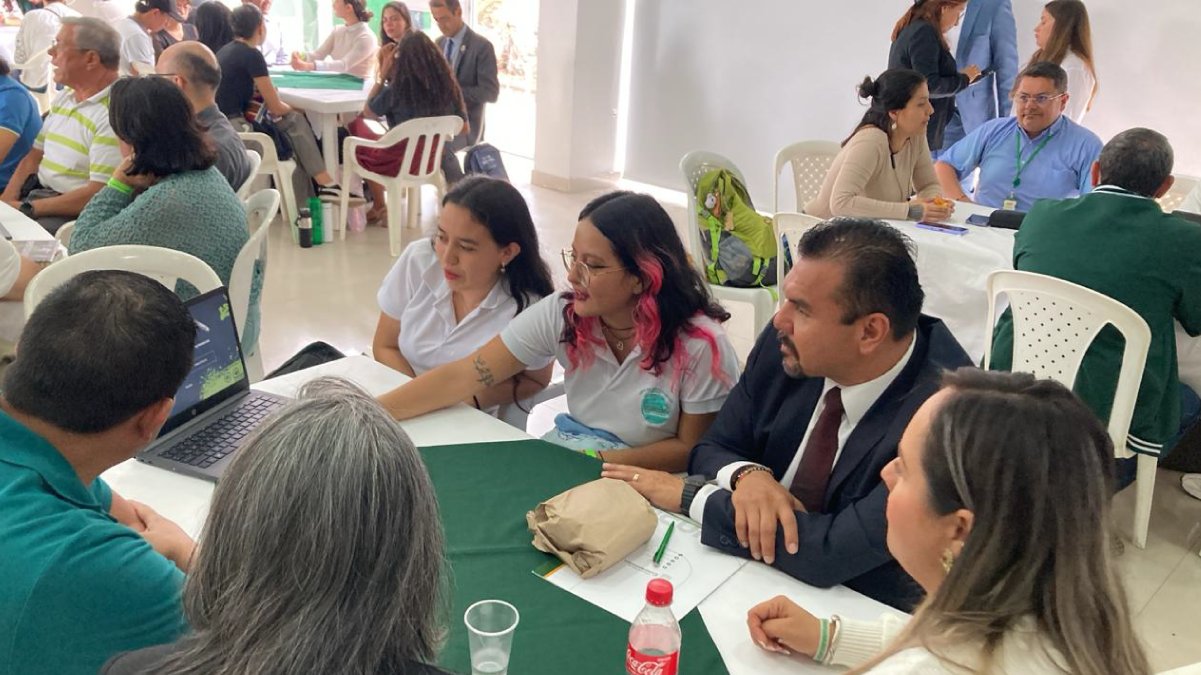
The Fusagasugá campus became the academic hub of the Latin American Transmodernity Meeting, an interdisciplinary space for reflection that brought together experts, teachers, students and international allies to delve deeper into the concepts of transmodernity and translocality, pillars of the Transmodern Digital Educational Model (MEDIT).
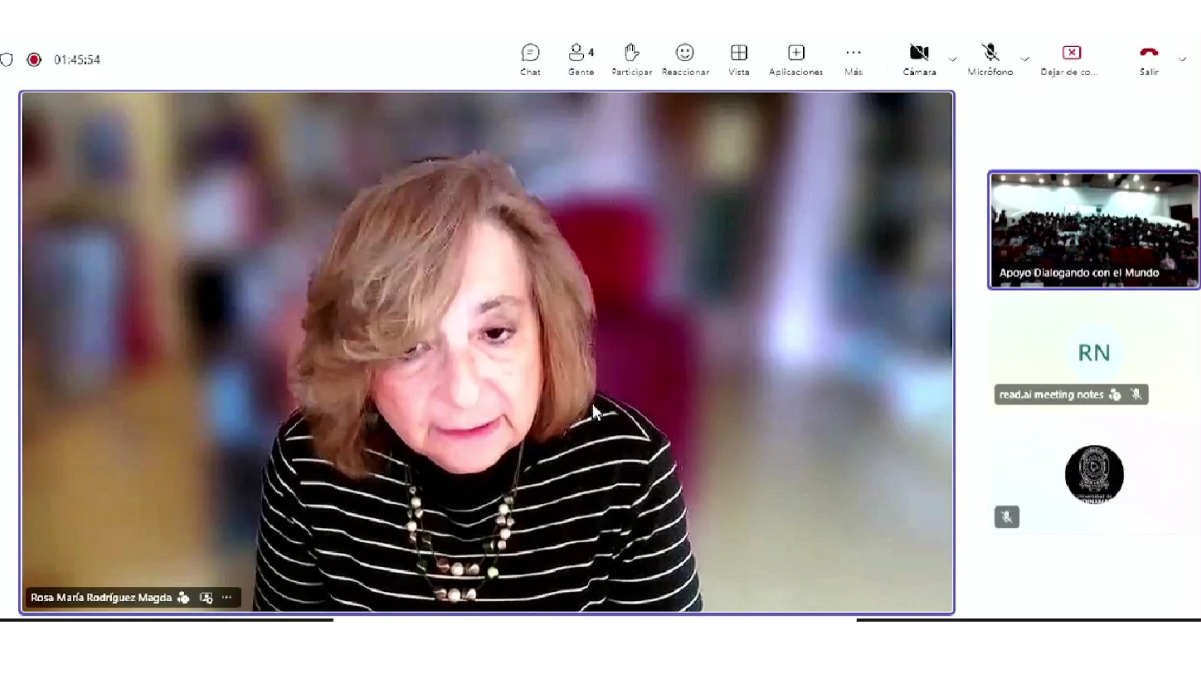
The experience's central point was the keynote address "Transmodernity: Rethinking Modernity and Globalization," delivered by Dr. Rosa María Rodríguez Magda, former president of the Valencian Association of Literary Critics and former cultural director of the Valencia Third Millennium Foundation – UNESCO, who connected from Spain to share her vision of the global present.
Rodríguez Magda explained that transmodernity is “a paradigm for thinking about the present” that seeks to synthesize the values of modernity with a critique of its limitations: “Modernity suffered from certain ignorances, certain oversights, and a certain Eurocentrism. Transmodernity takes these criticisms on board and goes further, also recovering the best of it.”.
The philosopher delved into the concept of translocality, highlighting that while globalization and new technologies have allowed for a great connection between territories, they also present dangers: "Translocality often becomes a manipulation through new technologies, through what I have named, for example, surveillance capitalism or technofeudism.".
Regarding MEDIT, Rodríguez Magda praised its practical approach: “It’s an ambitious initiative, but grounded in reality. I think it’s very important that students can get to know different regions and countries and face the same challenge: to think about reality, about what’s close to them, and to overcome any kind of limitation.”.
The expert expressed her satisfaction that the University was developing concepts she had worked on: "We can unite in the same effort, both to envision a more livable reality and to transform it through education.".
For his part, the Director of University Research, Edgar Eduardo Roa Guerrero, pointed out that one of the results of the meeting is the strengthening of the Latin American Network of Translocal Universities (Red LUT), made up of the Federal University of Roraima (Brazil) and the National Technological Institute of Mexico.
These alliances will promote joint research projects, academic mobility and greater scientific output, revitalizing the research centers of UCundinamarca.
From the program Engaging with the World, Director Aura Carolina Acosta Amaya highlighted that the meeting allowed students, collaborators and knowledge managers to broaden their vision on transmodernity, contributing input to the institutional postulate in this area.
In turn, María Cristina Velásquez Ardila, knowledge and learning manager for Business Administration, stated that the experience offered clarity on transmodern philosophy and its application in the classroom and research:
“It allows us to better guide training processes in a context marked by emerging technologies.”.
Brazilian student Sabrina Synde Carvalho de Sousa, from the Federal University of Roraima, highlighted the importance of discussing non-hegemonic concepts and strengthening Latin American identity: “Connecting countries through this knowledge is fundamental to building our own knowledge.”.
Meanwhile, Nicolás Soto, a Systems Engineering student, expressed his gratitude for the opportunity to learn in depth about the institutional advances in MEDIT and their impact on educational transformation.
This meeting seeks to train transformative subjects, capable of facing the social, cultural and scientific challenges of the territory with critical thinking and creativity, consolidating UCundinamarca as a benchmark in transmodern education in Latin America.
News
News
News
News