News
2026-09-24
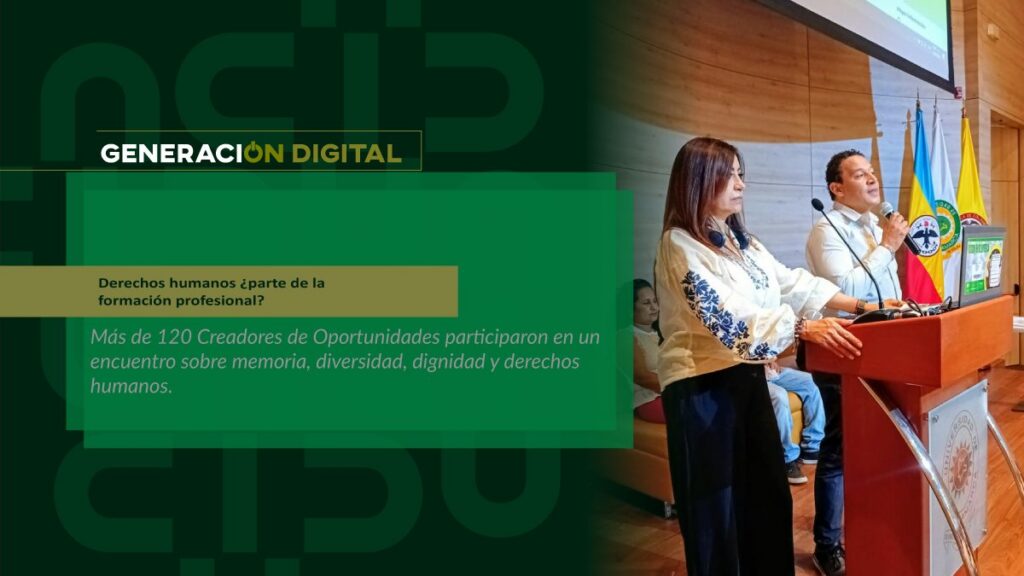
Human rights: part of professional training?
By: Alejandro García Suárez – Advisory Office of Communications


I am your virtual assistant, here to help you quickly and easily.
▲ Back to Top

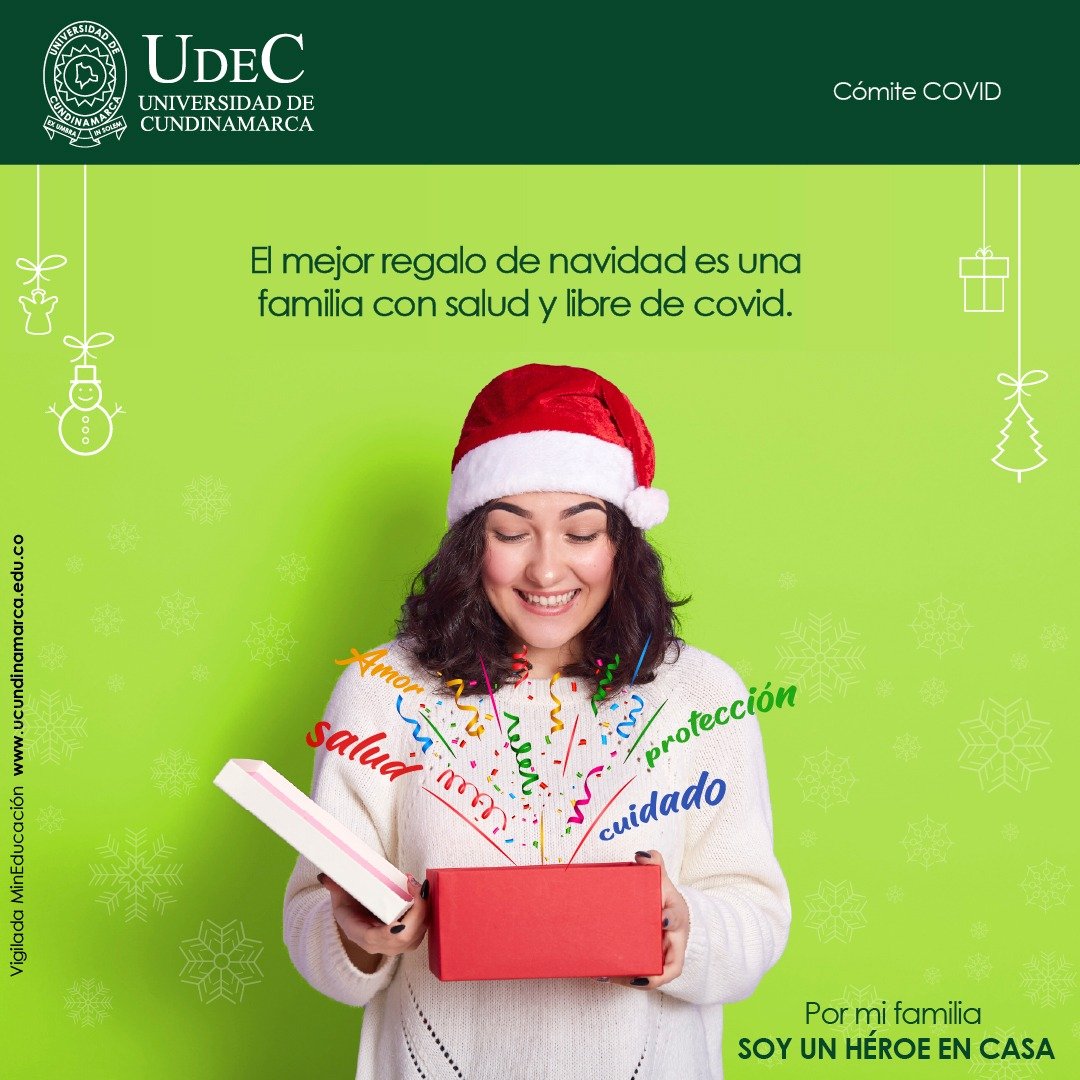
To prevent the number of COVID-19 infections from continuing to rise, it's necessary to take precautions because the virus hasn't gone away, and the holiday season provides an ideal environment for its spread. Here are some recommendations:
1. Celebrate with less consumption
Buy online or if you decide to buy the gifts in the store, avoid buying in places where several people gather at the same time, look for open and not so crowded spaces.
2. Celebrate with a small group
The more people celebrating in one place, the greater the risk of transmission, as some may be asymptomatic. Organize a simple celebration with your immediate family, communicating with other members via video call. Maintain a distance of at least 1.5 meters during the gathering and try to wear face masks.
3. Ventilation is important
It would be preferable to meet outdoors, but if it is done at home, do not forget that ventilation is always very important every so often; this helps to prevent the viral load from accumulating in the place.
4. Avoid the beaches at Christmas and New Year
“Many people in Latin America are accustomed to going to the beach on Christmas Day or New Year's Day, but they need to understand that the virus won't discriminate, and these times of year are no different. Going to the beach, where there are many other people, is like going to a public square. It's important to keep in mind that the risk of infection is the same as in any other situation or time of year. Therefore, the same precautions as before must be taken. Unfortunately, people in the region are becoming somewhat less careful.”.
5. Frequent hand and object hygiene
Disinfectants and soap destroy viruses on surfaces and on our hands, our means of interacting with the objects around us, which can transfer the virus from surfaces and objects to our mouth, nose, and eyes when we touch them. That's why it's so important to maintain good hand hygiene, washing them frequently and properly with soap and water, or using hand sanitizer.
In short: stop the virus by following the three M's: (mask, meters of distance, and hands). All of this, with large doses of P for Caution and R for Responsibility, to protect ourselves and help protect others.
Recommendations from Dr. Jan Felix Drexler, a virologist and professor at the prestigious Charité University Hospital in Berlin, who is a scientific advisor to the German Corporation for International Cooperation (GIZ) and leads delegations assisting Latin American governments in their fight against the novel coronavirus. Drexler has extensive professional experience in Latin America, where he also carried out projects to combat Zika. (ju/ms)
News
News
News
News