News
2026-09-24
Human rights: part of professional training?
By: Alejandro García Suárez – Advisory Office of Communications



I am your virtual assistant, here to help you quickly and easily.
▲ Back to Top
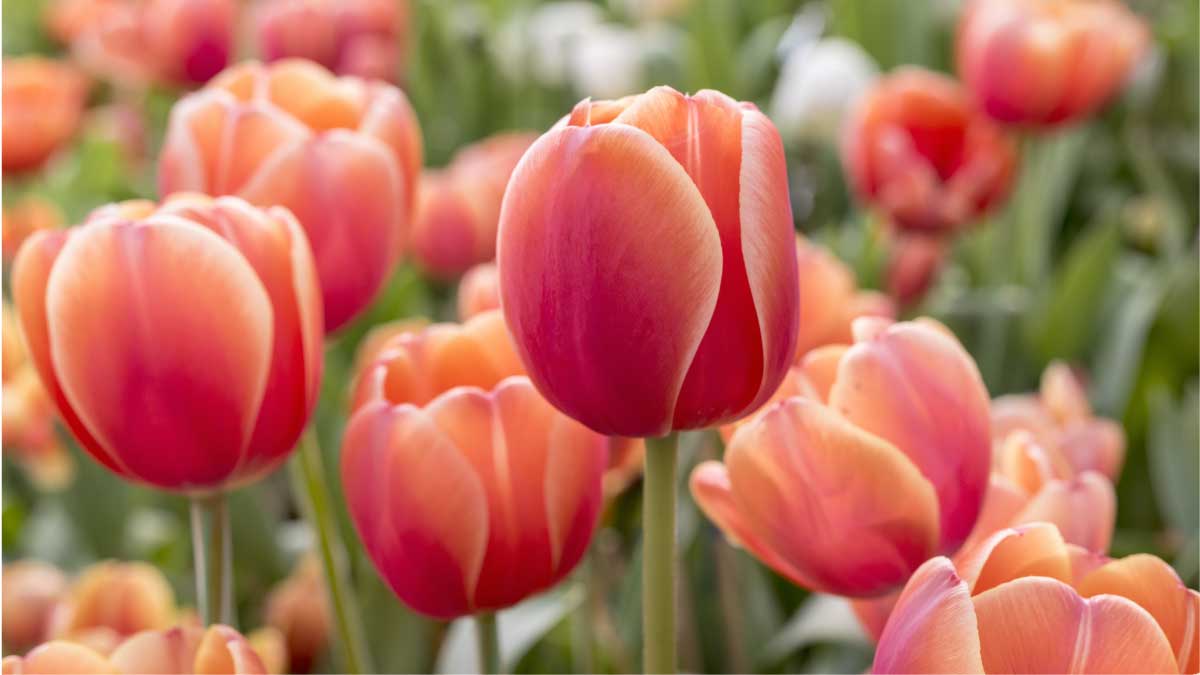
Erika Juley González Chingaté, a student at the University of Cundinamarca and a member of the Research, Science, Technology and Innovation group, gave a presentation on the importance of Colombia in the world regarding flower cultivation, especially in the celebration of Valentine's Day in February.
The leading department in flower production in the country is Cundinamarca, followed by Antioquia, Risaralda, Quindío and Valle del Cauca.
“Colombia is the second most important country after the Netherlands in terms of flower production, and Valentine's Day is the most important date. Colombia exports 600 million stems for that time of year,” said the student from UCundinamarca.
The United States, the United Kingdom, Russia, and Japan are the most important markets for imports. This activity generates 18,000 jobs.
“Overall, the floriculture sector represents 140,000 jobs, and flowers such as roses, carnations, hydrangeas, and alstroemerias are exported to more than 90 countries worldwide,” explained Erika Juley González.
Given this context, which is important for the region, a project has been launched to provide updated knowledge about pests and their relationship to the plant's morphology. The research is titled: Identification of Pests and Diseases in Eryngium planum in Two Case Studies in Facatativá.
“One of the conclusions so far is that there are more insect pests than diseases, but the damage is more evident and has a strong impact on quality with diseases,” said the project leader.
Another conclusion so far concerns the causal agents: “Alternaria sp and Cylindrocarpon radicicola have a great economic impact in both cases, but C. radicicola is a disease that represents the greatest losses, since the entire plant is lost.”.
Regarding the pests found, such as grubs, thrips, slugs, and aphids, problems were identified in the shape of each flower head, meaning it will not meet quality standards; these pests affect the plant's ability to absorb nutrients and water, ultimately reducing the plant's productive capacity and resulting in a loss of cut stems,” he concluded.
News
News
News
News