News
2026-09-24
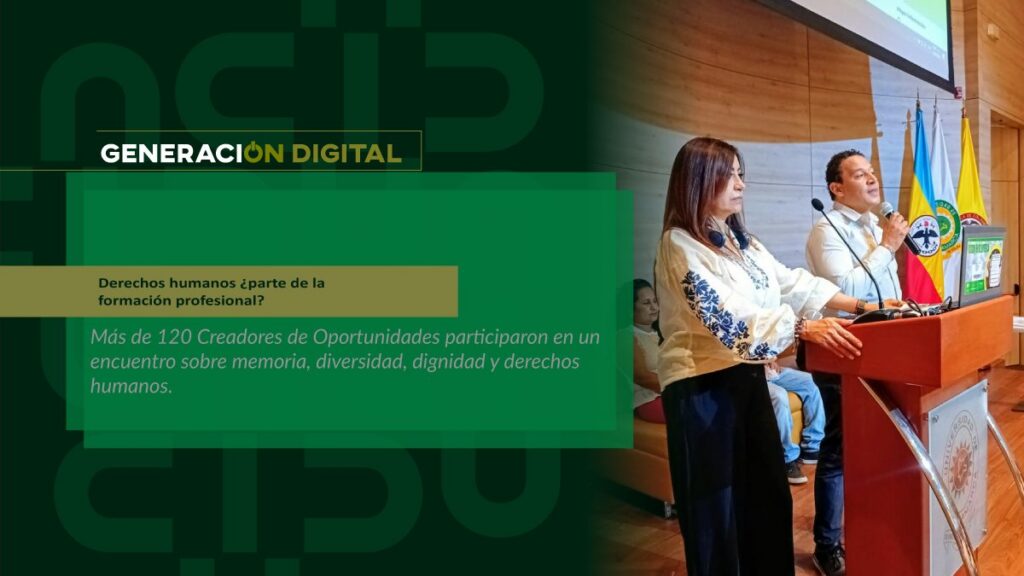
Human rights: part of professional training?
By: Alejandro García Suárez – Advisory Office of Communications



I am your virtual assistant, here to help you quickly and easily.
▲ Back to Top
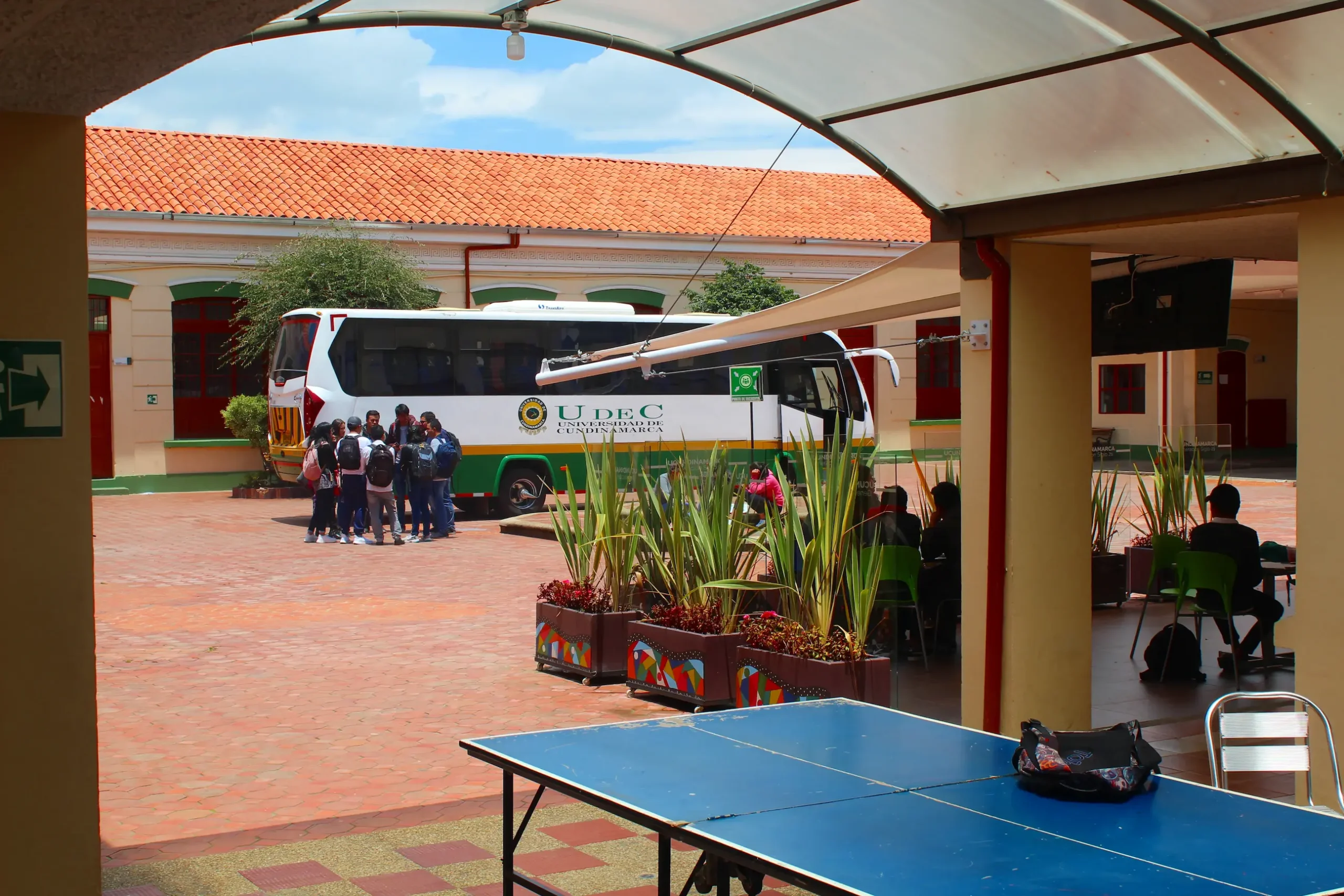
The University of Cundinamarca participated in the second day of the farmers' markets that brought together 1,200 small agricultural producers from the Bogotá-Cundinamarca region whose purpose is to strengthen the production chains of the agricultural sector, improve supply, marketing conditions and availability of the same.
“This presence demonstrates the results of a joint process between the university institution and the Secretariat of Regional Integration, which, for several years, have been working using the cluster methodology for the growth of micro-entrepreneurs in the municipality of Ubaté,”, Carlos Felipe Bosa, a professor at the University of Cundinamarca, stated.
Within the framework of this day, our alma mater, through a conference, called on producers to implement Good Agricultural Practices (GAP) and manufacturing practices, from the preparation of the agricultural production area, planting of seedlings to post-harvest, marketing and transformation of agricultural products.
“With the collaboration of the Cundinamarca Governorate, these workshops will continue to be held, in which producers and micro-entrepreneurs will be trained on health regulations, fertilizer and insecticide management, among other topics, with the support of teachers and students from the University of Cundinamarca, who will contribute their knowledge and, in turn, contribute to the agricultural development of the region,”, Bosa added.
Good Agricultural Practices (GAP), based on actions and principles of hygiene in the handling, preparation, processing, packaging, storage, transport, and distribution of food for human consumption, recommend the need to offer quality products that do not put people's health at risk, which obliges producers to train frequently in order to obtain certification of their crops.
News
News
News
News