Fusagasugá Branch
2026-09-24
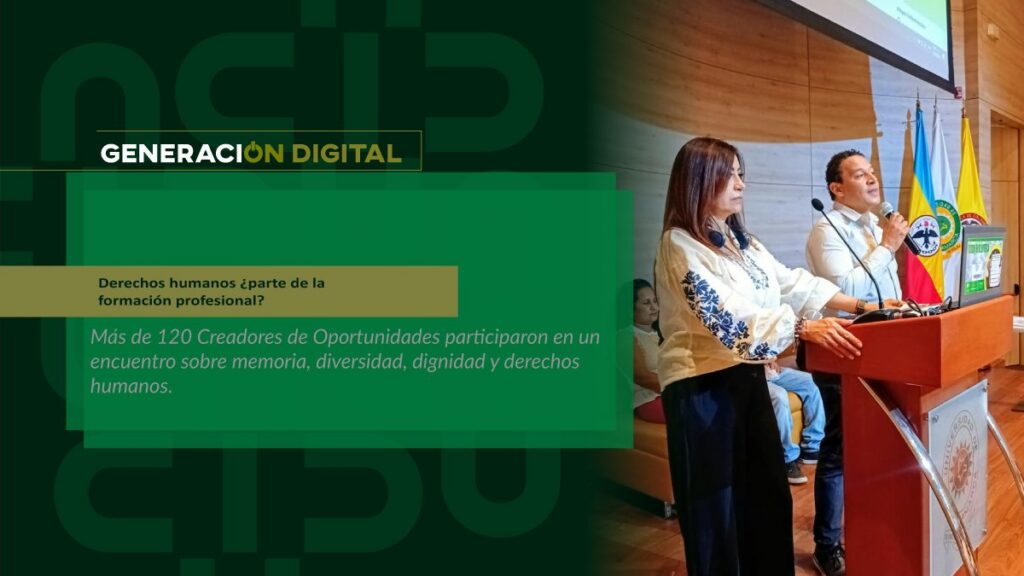
Human rights: part of professional training?
By: Alejandro García Suárez – Advisory Office of Communications
Loading...



I am your virtual assistant, here to help you quickly and easily.
▲ Back to Top

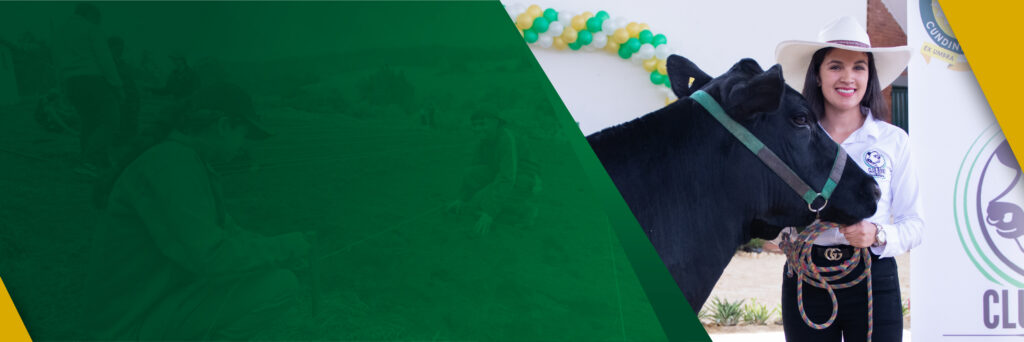
The manager of the Colombian Agricultural Institute (ICA) Cundinamarca branch, Nely Sánchez Vargas, presented the La Esperanza Farm of the University of Cundinamarca, located in the Guavio village of the city of Fusagasugá, with the certification of Good Livestock Practices in Milk Production, valid for two years, in accordance with the current health and safety regulations.
“Now, La Granja la Esperanza is part of the select group of eleven certified farms throughout the Sumapaz Province, pioneering the certified academic program. In this sense of relevance, our University, as an institution of higher education training professionals in the agricultural sector and serving the rural community, is advancing in the development of quality processes that serve as a showcase for students and livestock producers in the region.”, highlighted Diego Andrés Abril, the lead teacher of the Animal Science program project.
“This allows for the adoption of good practices, contributing to sustainable development, the safety of products for human consumption, and the competitiveness of the livestock sector,”, he added.
The audit was carried out by María Fernanda Serrano, leader of the Livestock Safety project of the ICA, an official who rigorously verified all the processes related to the bovine production of the farm.
“The main objective of these processes is to guarantee the safety of the products (milk and meat) by reducing to zero the probability of transmission of zoonotic diseases (animals to humans) such as brucellosis and tuberculosis, as well as to produce efficiently while safeguarding natural resources and providing well-being to workers and animals, among other things,”, the teacher added.
ICA officials evaluated 13 parameters through visual inspection, touring the bovine production system of La Granja: animal health and biosecurity, milking system and site, milking routine, protection against milk contamination, abnormal milk, milking utensils and equipment, water quality, proper use of veterinary medicines, product storage and area cleaning, production records, pest control, animal welfare, processes and work personnel, consisting of 86 items.
This verification demonstrated compliance with the standards and processes established by this authority to qualify for certification.
The history of the Good Livestock Practices at La Esperanza Farm began in 2014 through the project “Effective Transfer of Technologies to Small Agricultural Producers in the Province of Sumapaz”.
This project, led by the Dean of the Faculty, Dr. Vilma Moreno Melo, and funded by the Secretariat of Science, Technology and Innovation (SCTeI) of the Cundinamarca Government, was implemented by the SISPROS Research Group. It enabled the launch of the farm's certification program, generating an intervention plan that involved the participation and management of the Academic Support Office, the farm's administrative and operational staff, students from the Animal Science Program, and faculty members. This included facility upgrades, the acquisition of new equipment, training, and monitoring of all processes. For all participants in this initiative, achieving this goal is a great satisfaction.
It is worth highlighting that agricultural systems are called to the certification of Good Livestock Practices because the world population is increasing and consequently the number of consumers.
The demand for quality animal products must be met through technologically advanced processes, without affecting the environment, natural resources, human health, and animal welfare.
These processes, in addition to promoting the opening of new national markets, also promote exports, which helps to increase profitability and competitiveness, showcasing the country as an agricultural and livestock potential in different markets around the world.

News
News
News
News