Fusagasugá Branch
2026-09-24
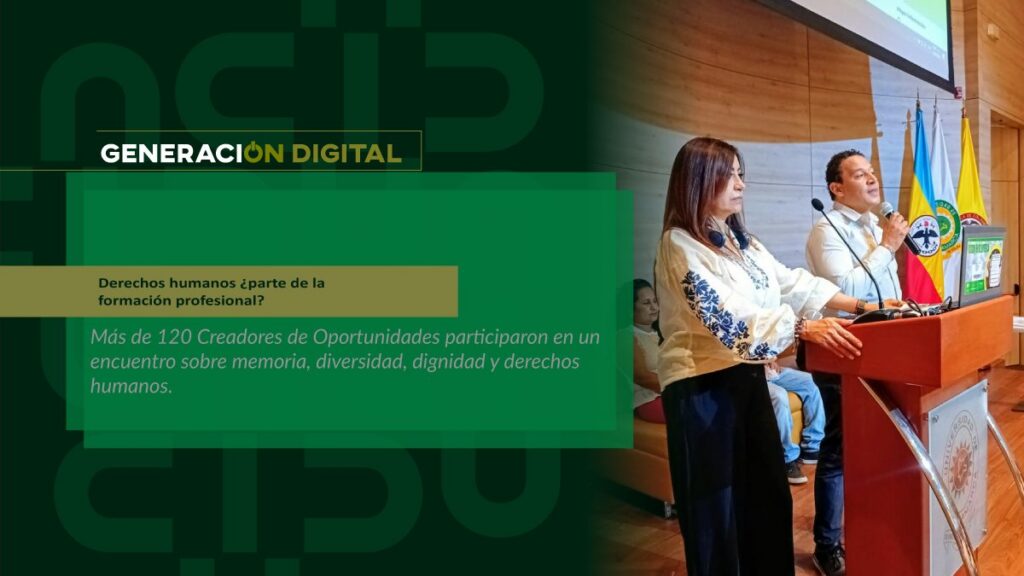
Human rights: part of professional training?
By: Alejandro García Suárez – Advisory Office of Communications
Loading...



I am your virtual assistant, here to help you quickly and easily.
▲ Back to Top
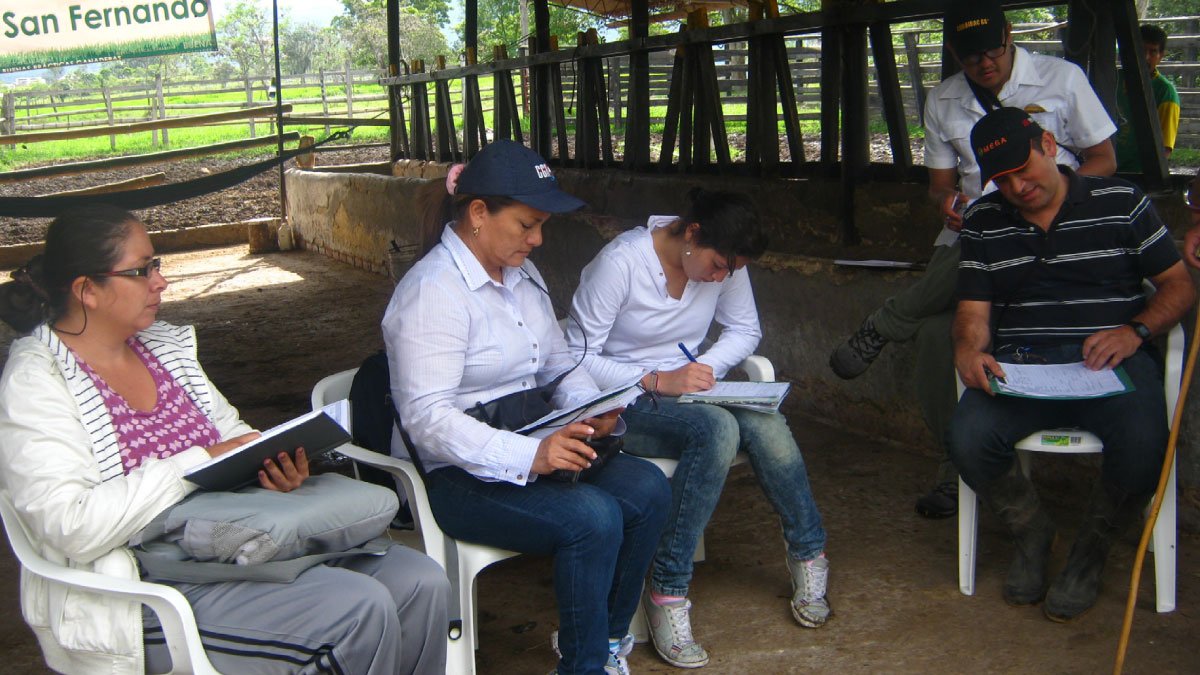
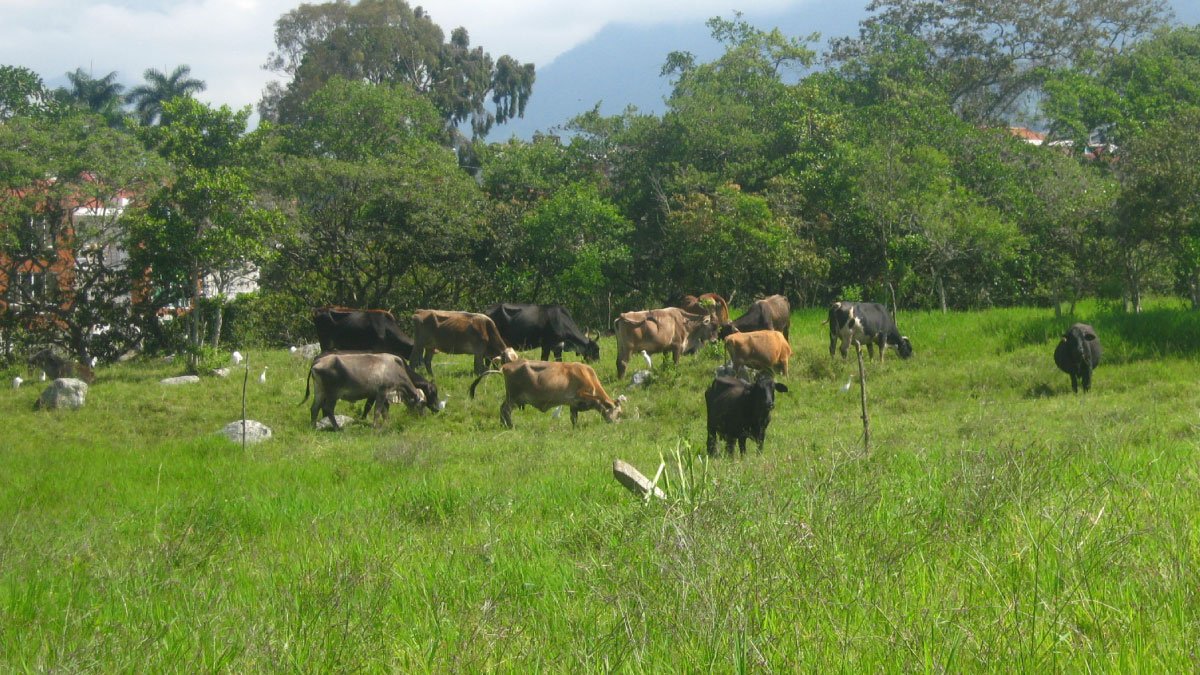
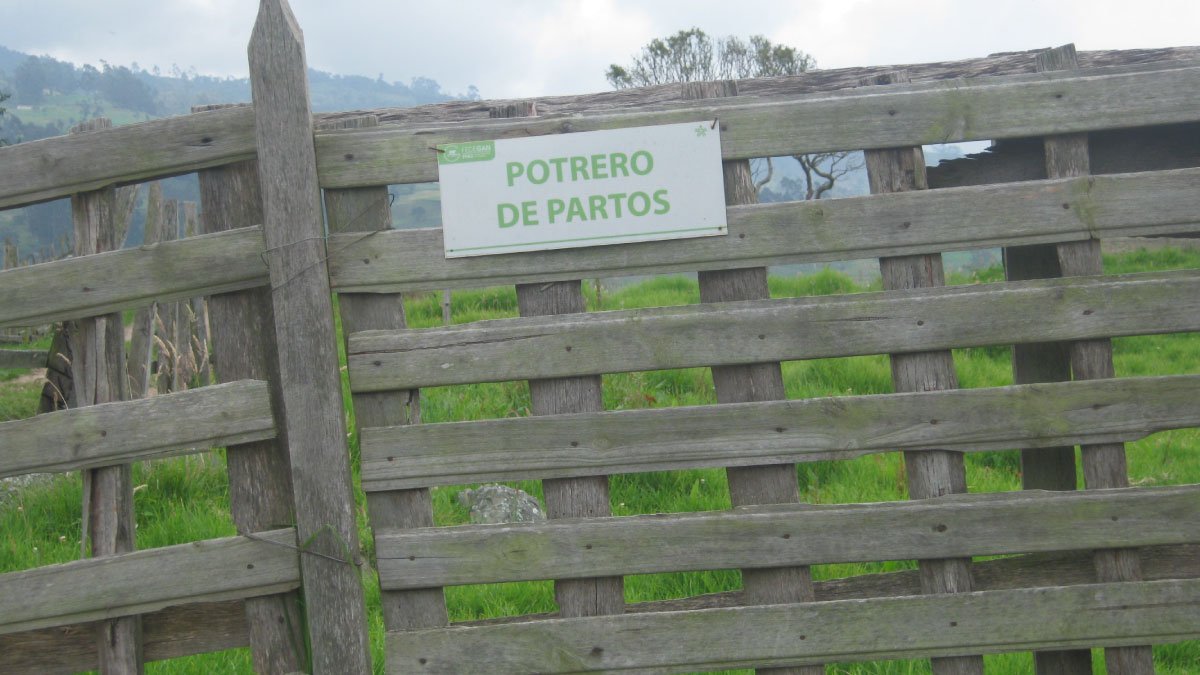
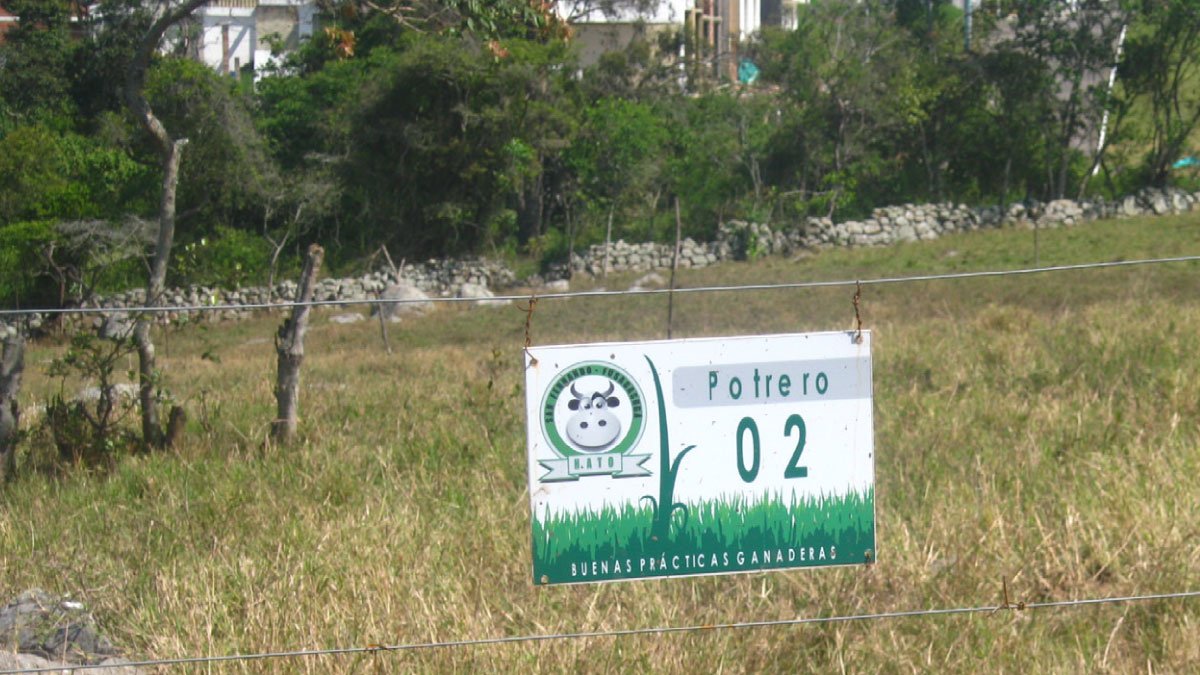
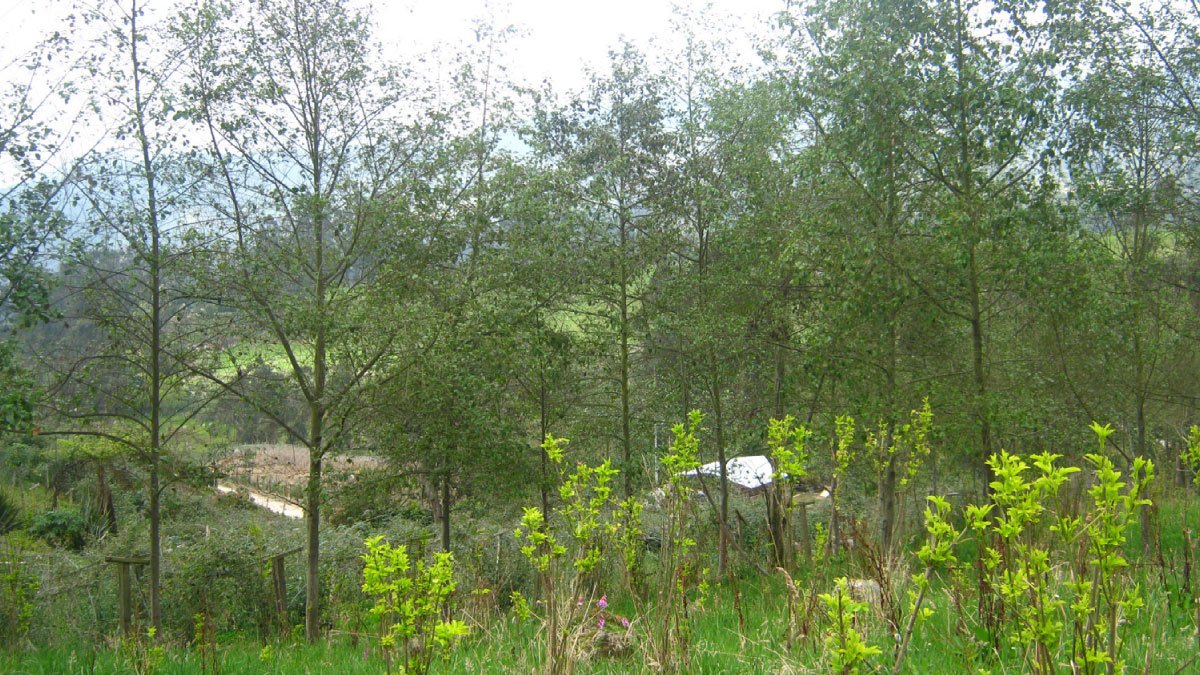
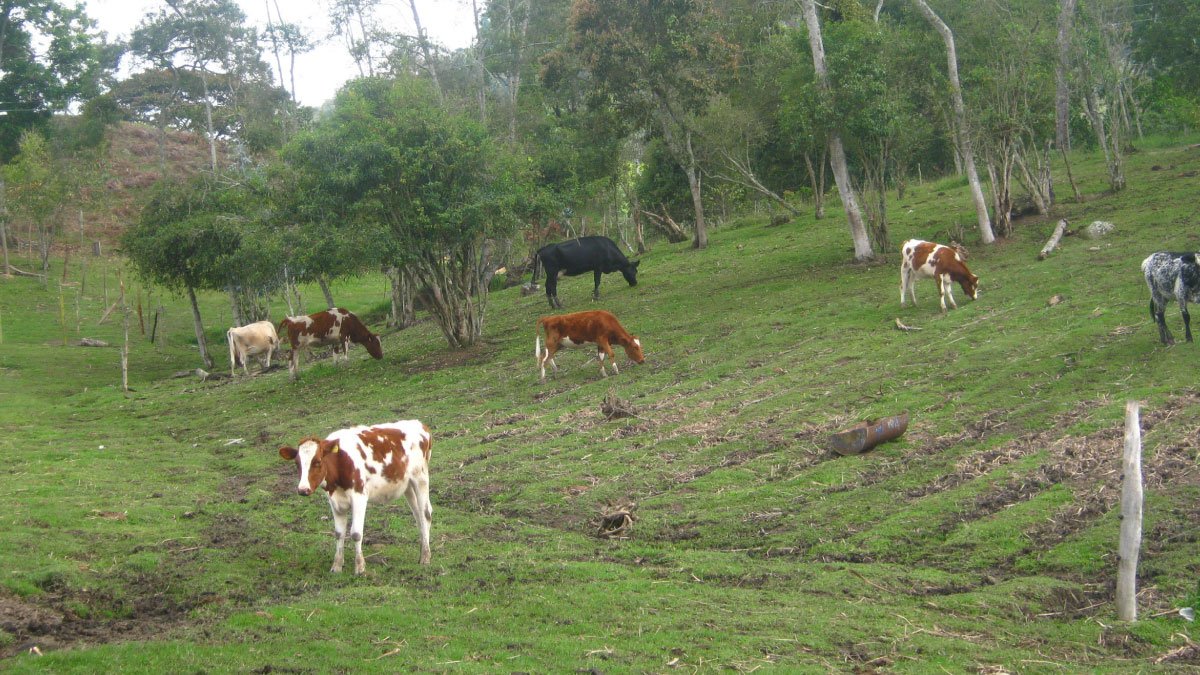
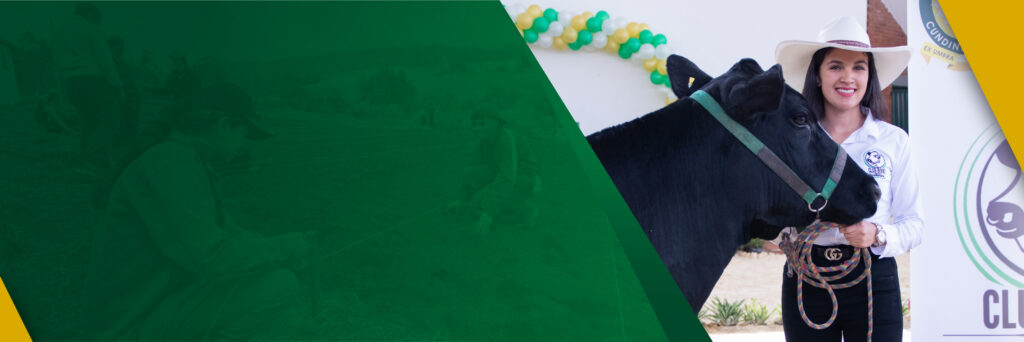
For the past 12 years, the organic livestock program has been committed to addressing the competitiveness challenges of the agricultural sector, fostering regional development, and creating tools for regional livestock innovation. The project, led by the Faculty of Agricultural Sciences at the University of Cundinamarca (UCundinamarca), arose from the need to educate and empower the sector, given that livestock practices in the Sumapaz region were deemed unsustainable in terms of land use.
The investigation showed that the producers and the young population of the area had received training from the SIGN In traditional agricultural production, however, knowledge and expertise in good livestock practices and ecological production systems was nonexistent.
The sustainable project yielded lessons learned:“The countryside is being left without advocates and without generational succession. There is no one to produce; therefore, it is a professional and ethical duty to train our farmers in new technologies, to innovate their production systems in such a way that they take into account the economic, but also the social, cultural and environmental aspects, in order to improve their standard and quality of life,” says Vilma Moreno Melo, project leader.
The project's results and impact are evidenced by the achievement of the 100% objectives, and are accredited by Colciencias. To date, a Plan Land Planning (POP) for each of the 20 livestock farms linked to the project, taking into account the components of water, soil and forest, framed within the Colombian regulations.
“It is necessary to train both agricultural producers and rural youth so they can learn to use the modern tools that humankind has created. One of these tools, no less important in these production processes, is the implementation of ICTs, which, as we have seen through this project, has allowed us to bring the countryside closer to the university, shortening distances, both in kilometers and in terms of knowledge,” added Moreno Melo.
News
News
News
News