News
2026-09-24
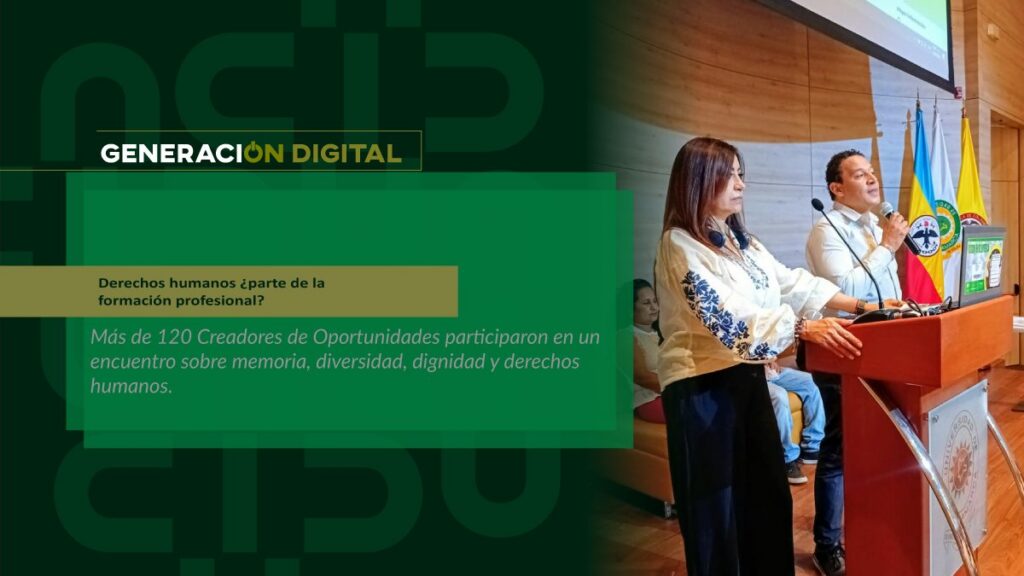
Human rights: part of professional training?
By: Alejandro García Suárez – Advisory Office of Communications


I am your virtual assistant, here to help you quickly and easily.
▲ Back to Top
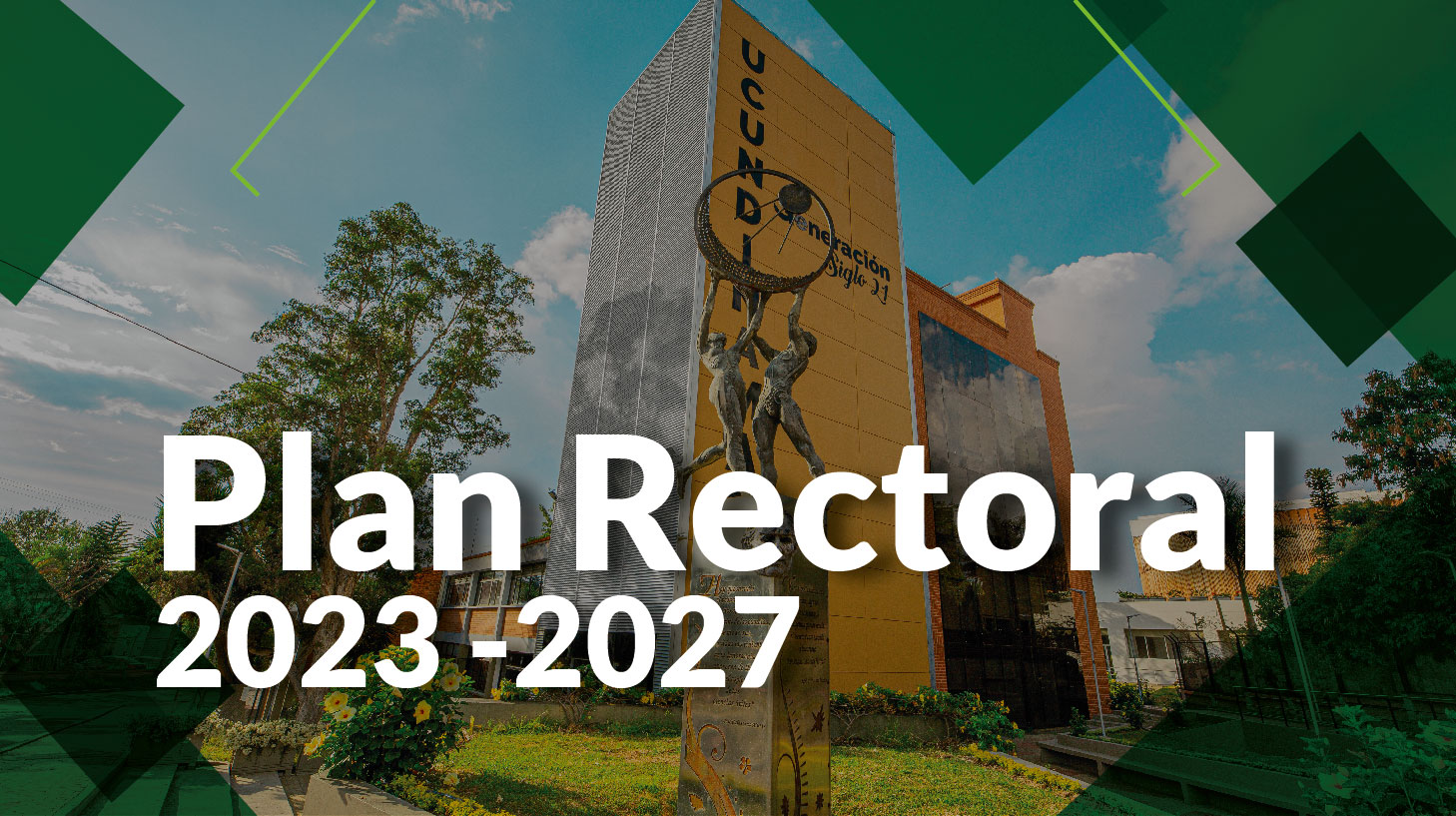
The University of Cundinamarca, in accordance with its mission policy of opening new programs that are relevant to the needs of the region, and fulfilling one of the goals set out in the 2015-2019 Rectoral Plan “UCundinamarca Generation 21st Century”, The Development Plan and Strategic Plan 2016-2026 “Designing the University we want” creates the academic doctoral program in Educational Sciences.
The proposed doctoral program seeks to train autonomous researchers with the ability to identify problems, design solutions, propose changes and transformations in the educational and social field, as well as guidance in the pedagogical process and learning in relation to the quality of education.
The PhD in Educational Sciences will be offered at the Fusagasugá campus, will have a curriculum of 80 academic credits and a duration of 5 years, and will have two lines of doctoral training: Environmental Education and Pedagogies, Peace and Resilient Populations.
As a result of the process of constructing meaning for this line of research, stemming from the specialization in Environmental Education and Community Development and the progress of the Master's program in Education with an emphasis on environmental education, as well as the establishment and research advancements of the Sumapaz research group and as a joint educational project with Rudecolombia,
One of the purposes of the doctorate in Educational Sciences is to consolidate, deepen and project the Training Line in Environmental Education, scaling it to a level of conceptual deepening, construction of epistemological discourses in environmental education, interdisciplinary inquiry in environmental education, ecopedagogy, alternative eco-environmental didactics, sociocultural dynamics in the treatment and solution of environmental problems, dialogue of knowledge and multidisciplinarity in the face of environmental issues, environmental education in the ecological political scenario of climate change and impact and use of technological mediations in the digital age.
This line of research is intertwined with the institutional research line: Pedagogy, Education, Culture, and Coexistence, at the University of Cundinamarca: “This line of research seeks to enrich educational management with theoretical and practical developments in these fields of knowledge. Today, it is considered an applied discipline, a field of action, whose object of study is the social organization of human beings in their different roles: family, society (coexistence), work, and others.” [1] In this way, the approaches developed from the Pedagogies, Peace and Resilient Populations Line are articulated. [2] and the vision of the Translocal Line of pedagogy, education, culture and coexistence of the University of Cundinamarca.
The new program has the alliance of the Network of Universities of Colombia (RUDECOLOMBIA), as well as the Hisula research group, the Área Verde group and the Sumapaz Research Group.
Furthermore, the support provided in the preparation and presentation of doctoral requirements by Dr. Diana Elvira Soto Arango, founder of RUDECOLOMBIA and director of the Academic Committee of the Doctorate of Educational Sciences of the Pedagogical and Technological University of Colombia, is noteworthy.
[1] Translocal Lines, University of Cundinamarca, 2019.
[2] See in Soto Arango & Mora-García, HISULA, 2019
News
News
News
News