News
2026-09-24
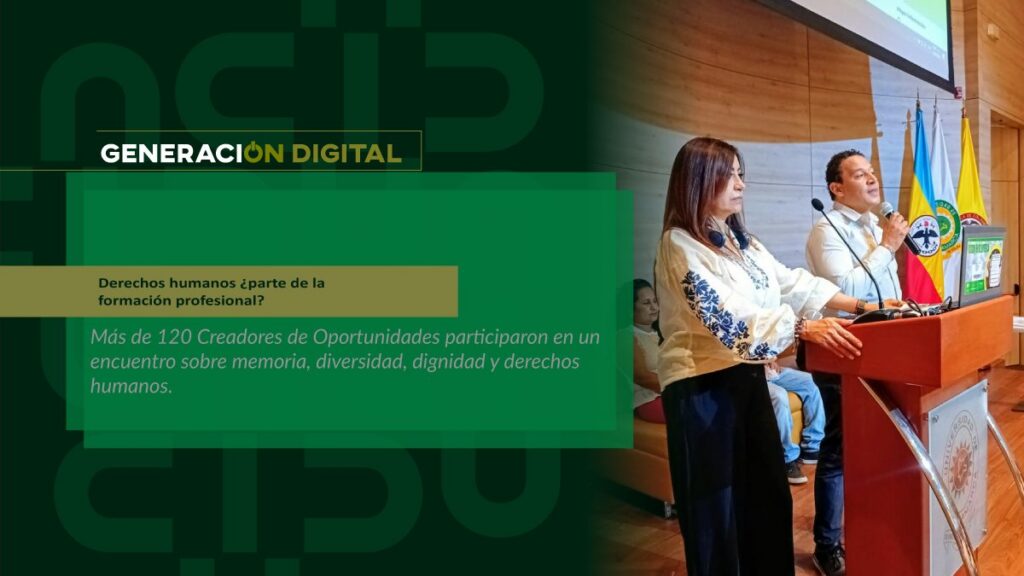
Human rights: part of professional training?
By: Alejandro García Suárez – Advisory Office of Communications



I am your virtual assistant, here to help you quickly and easily.
▲ Back to Top
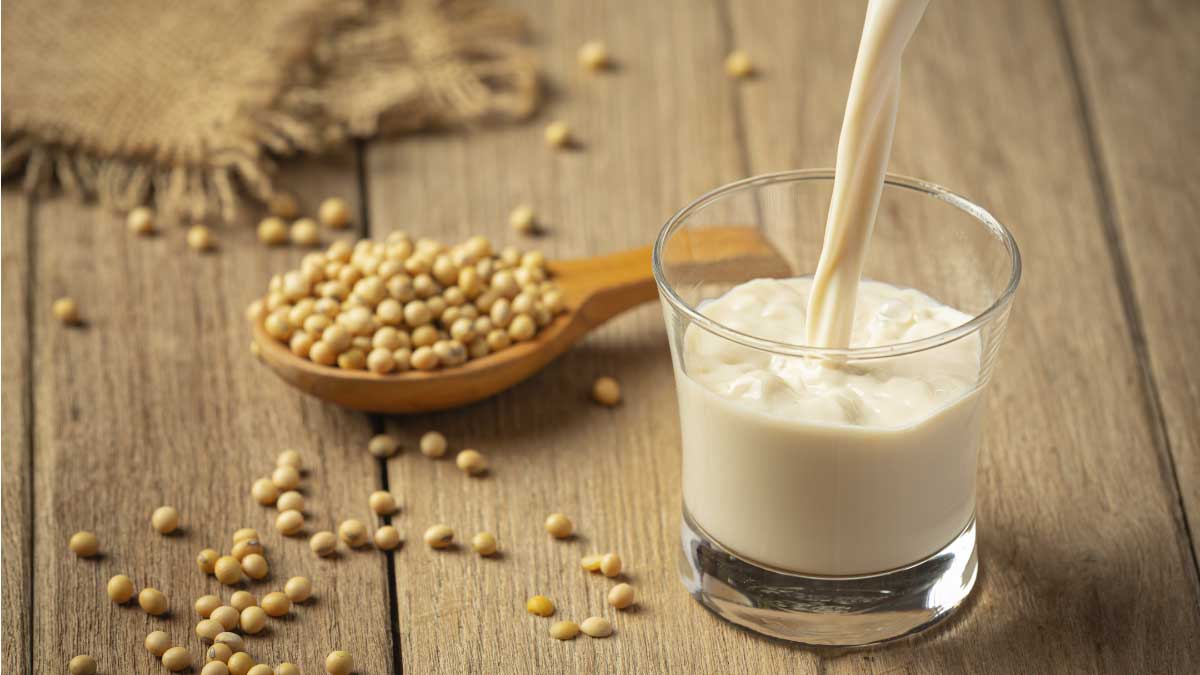
According to figures from October of this year provided by the National Institute for Drug and Food Surveillance (Invima), the areas of the country where the most milk is produced and its derivatives are manufactured are Cundinamarca, Bogotá, Arauca, Antioquia, Boyacá, Nariño, Santander and Valle del Cauca.
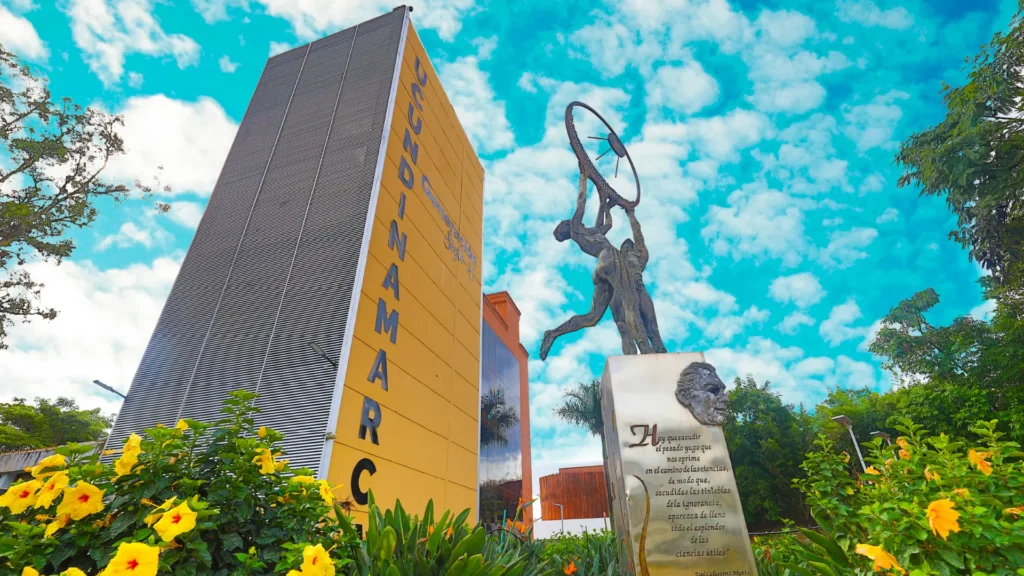
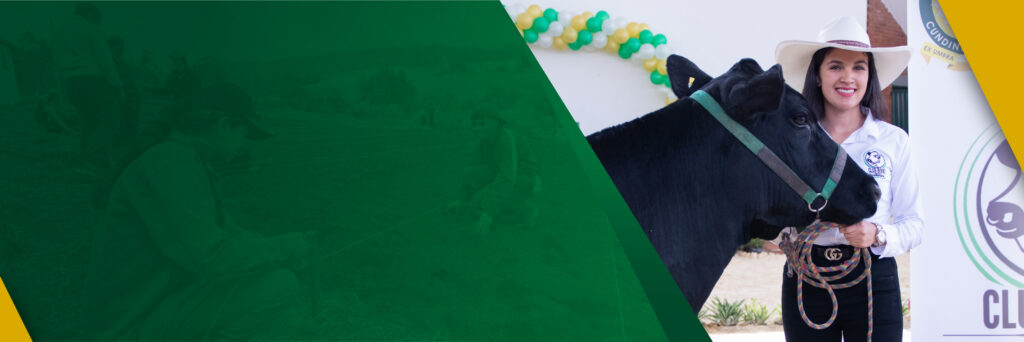
Gustavo Adolfo Fula Zotelo, from the technical group of food and beverages of Invima, participated in the II Departmental Dairy Congress organized by the University of Cundinamarca and delivered the latest figures collected by the entity on the panorama of the dairy sector in the country.
According to Invima, more than 4,000 establishments that manufacture milk and its derivatives are registered; however, only 2,206 are being monitored, as there are others that are inactive for different reasons such as the current economic crisis or because they no longer exist.
Of those more than 2,000 establishments, Cundinamarca is the one that generates the most of that type of product with 282 companies, followed by Bogotá with 205, Arauca 204, Antioquia 189 and Boyacá 196.
Given this situation, the Government considers it important to maintain rigorous oversight, as many of these companies generate hundreds of jobs, and it is necessary to have strict regulations in the sector and strengthen it with good practices.
“Nationwide there are 136 collection centers, which means there is a lack of association and ways to guarantee that the milk always complies with the cold chain,” said the animal scientist from Invima.
On the other hand, the business landscape of the sector reflects that of the 2,206 establishments, there are 60 large companies, 101 medium-sized companies, 261 small companies, and 1,693 micro-enterprises. These micro-enterprises represent the weak point of the production chain because they sometimes lack knowledge of the regulations and do not guarantee proper processes. Therefore, Invima plans to continue supporting these micro-enterprises so they can adopt best practices and grow into small, sustainable factories.
Following recent visits to various companies, it was determined that 1,280 have a favorable rating, meaning they are producing under good manufacturing practices and their products are guaranteed safe for sale and consumption. However, 105 companies were found to be in violation of regulations and have already been sanctioned.
This information, which was provided during the congress organized by the university, reflects the university's interest in keeping students and professionals up-to-date on the concepts, regulations, and outlook of the dairy sector, as part of a multidisciplinary learning experience.
News
News
News
News