News
2026-09-24
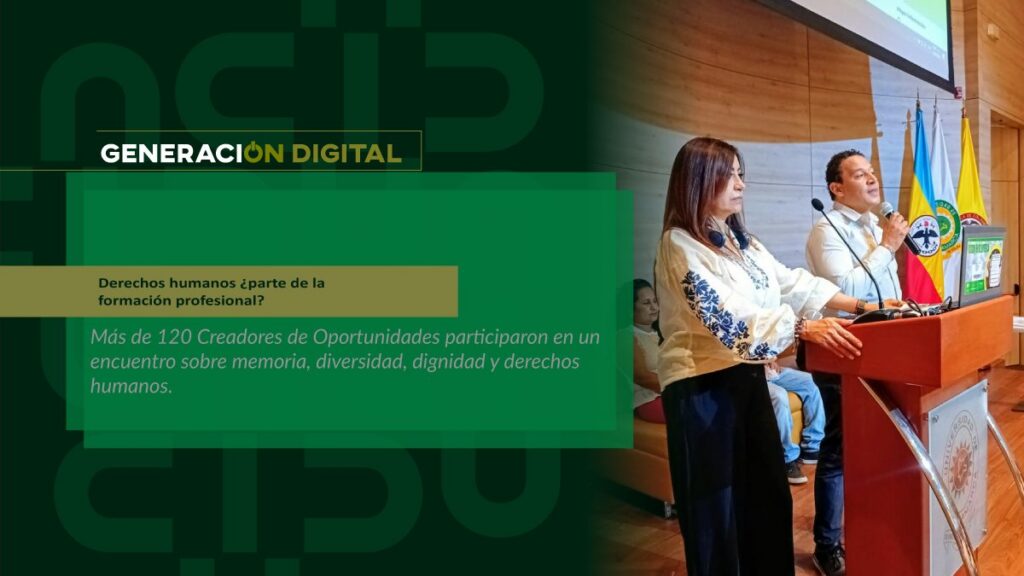
Human rights: part of professional training?
By: Alejandro García Suárez – Advisory Office of Communications


I am your virtual assistant, here to help you quickly and easily.
▲ Back to Top
By: Juan Carlos Monzón – Communications Advisory Office
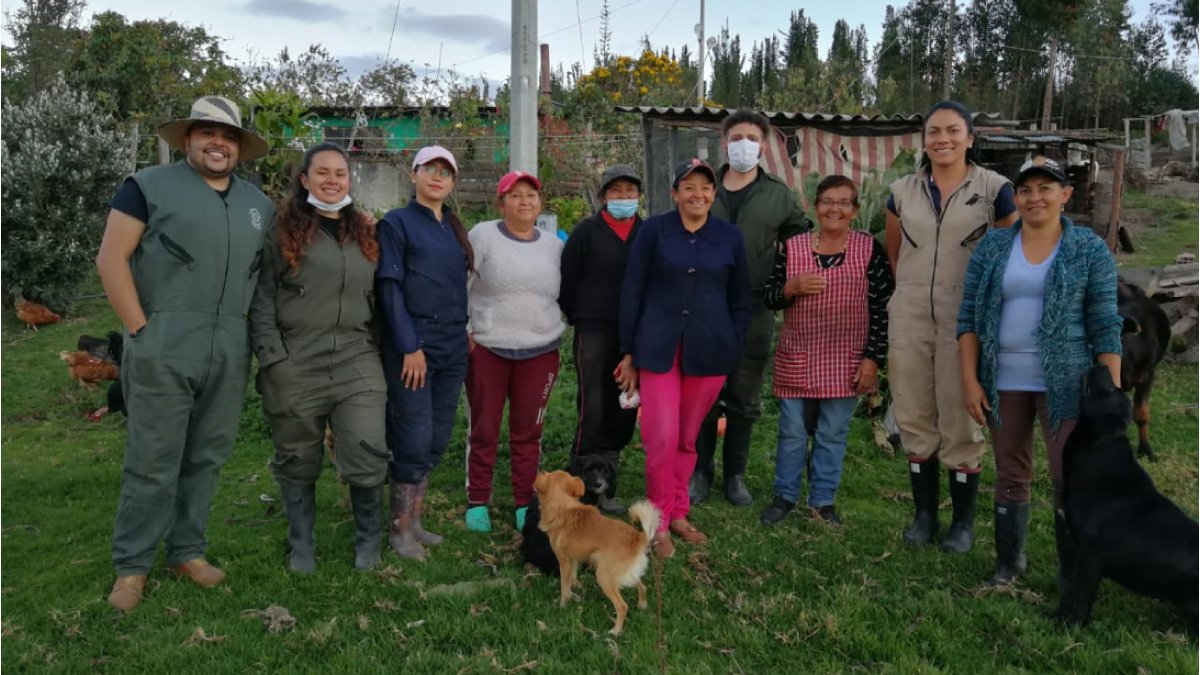
One hundred people from ten different sectors are benefiting from this technique, which aims to use organic waste to produce humus, the best fertilizer for plants. “The idea originated from an agreement with Emservilla, the town's water company, the Mayor's Office of Sustainable Development, and us as a university. It involves training them to build their own vermicomposters using California red worms that we provide,” explains Camila Arévalo, manager of the El Tibar Agro-environmental Unit of the Animal Science Program.
The agreement, which began in August with initial outreach to the community, has several stages. “There are three phases. In the first, we held a community outreach event in these areas about the importance of organic waste collection. In the second, we taught them how to build worm composters, one per block, so that the surrounding community could dispose of their waste there. We also provided training on their maintenance. The third phase, which we will begin at the end of October, is the follow-up phase and will serve to monitor whether they are doing things correctly.”.
The success has been enormous, as Francy Rocío Ramos Villamil, a farmer from the Apartedero village in the Las Brisas sector, can attest. A strong woman, we found her feeding the pigs. “I’m grateful to the university for teaching me how to make and care for a worm composter. I had one here on the farm before, but some of the worms died because I covered them and left them without good ventilation, and for others I added orange peels, which you shouldn’t do. I was doing everything wrong!” she says, somewhat embarrassed.
But that's not all. This peasant woman plans to use some of the humus produced by the earthworms on a plot of land she owns in Boyacá. "My husband grows coffee there, and this fertilizer is perfect because it's not a chemical or anything like that that harms the environment.".
Then Camila interrupts and emphasizes that the important thing is for them to understand the message of caring for ecosystems. “We want this to reduce pollution, so we’ll also give them a booklet about this technique so they can share it with others,” she stated.
Finally, this unassuming woman has nothing but words of gratitude for the university. “Besides everything else, they taught us so much about castration, pregnant cows, deworming, and vaccination. We lacked knowledge; we had the desire, but that wasn't enough.”.
In this way, UCundinamarca works on social projection processes that benefit and improve the living conditions of the environments where the institution is present.
News
News
News
News