Fusagasugá Branch
2026-09-24
Human rights: part of professional training?
By: Alejandro García Suárez – Advisory Office of Communications



I am your virtual assistant, here to help you quickly and easily.
▲ Back to Top
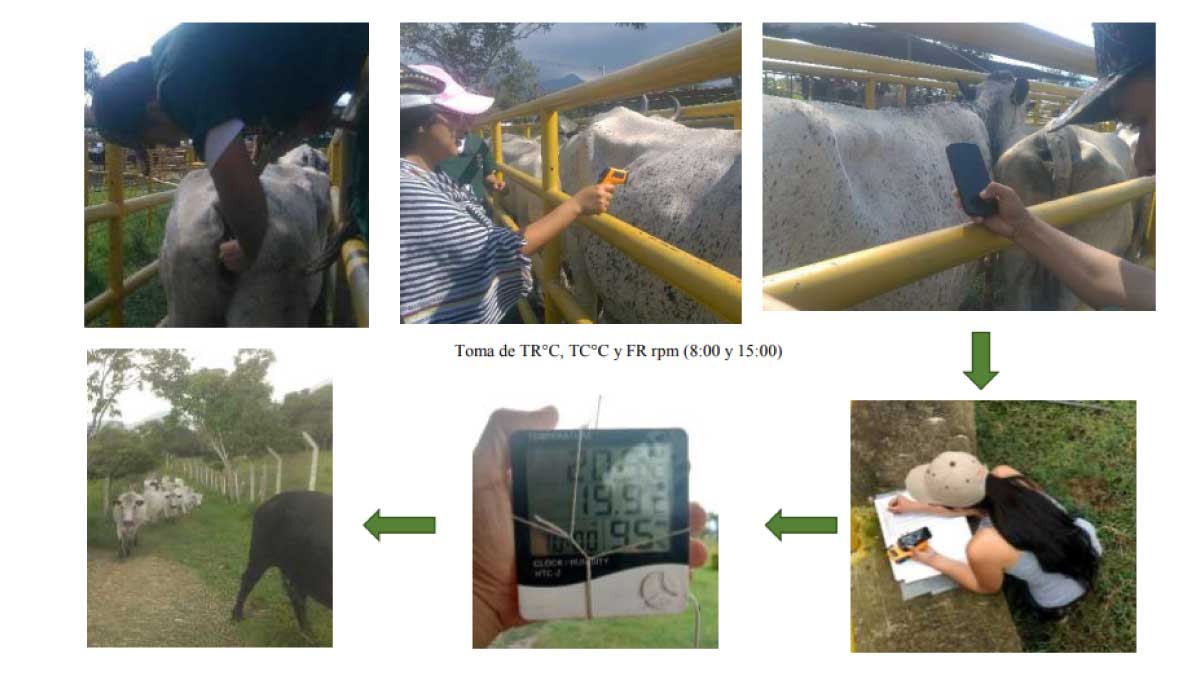
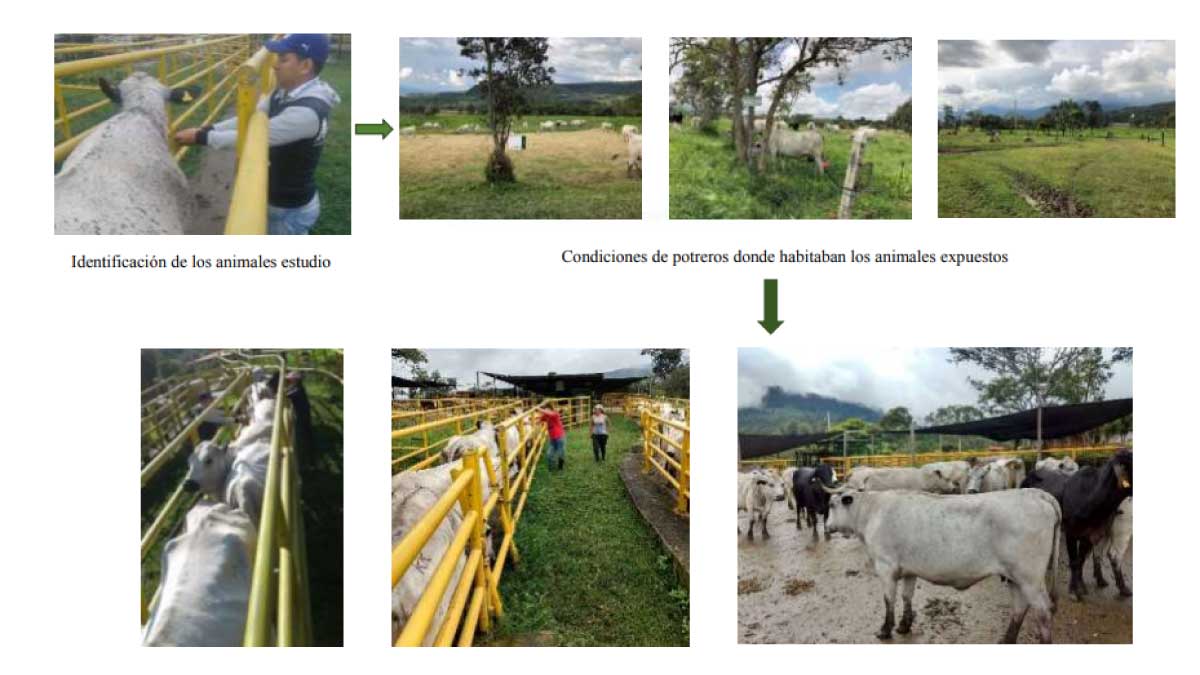
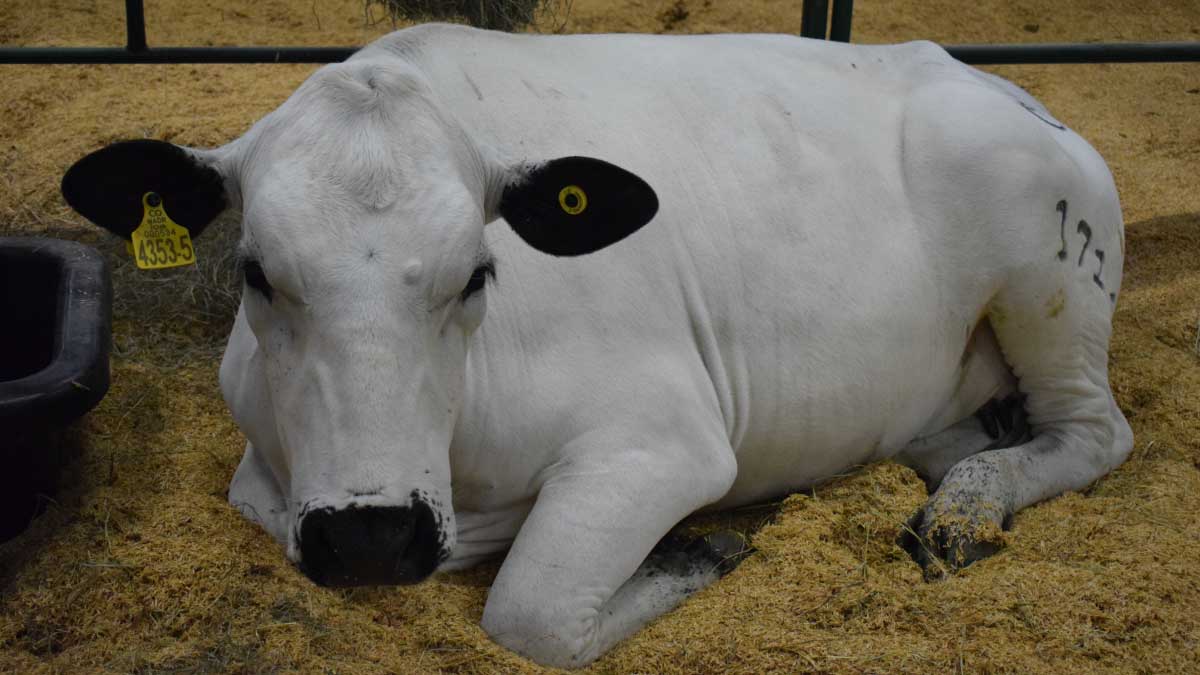
Creole cattle in Latin America and the Caribbean are distributed across different regions and countries, supporting production systems for both milk and meat. One of the most important Colombian Creole breeds is the Blanco Orejinegro (BON), considered a dual-purpose animal with a unique phenotype. This research was conducted by students Julieth Katherine Rodríguez Silva and Luis Fernando Regino Arroyo, from the Animal Science program. They evaluated the response to heat stress in the Blanco Orejinegro (BON) herd at the "La Esperanza" Agro-Environmental Studies Center of the University of Cundinamarca, located in the Guavio Bajo district of the municipality of Fusagasugá.
The study evaluated from an eco-physiological point of view factors such as solar radiation, relative humidity, ambient temperature, wind speed and precipitation for 11 weeks, these analyses were considered as physiological responses to stress rectal temperature (RT, ºC) and respiratory rate (RR) (rpm).
The study provides specific information for the BON breed, contributing to knowledge and, in turn, seeking to be the basis for the development of future research associated with the eco-physiology of Creole bovine breeds.. Likewise, according to the results, the aim is to clarify the viability of selection and genetic improvement programs for the breed, associated with the agro-climatological factors in which the animals develop.
For the study, a sample of 17 purebred single adult female cattle of the Blanco Orejinegro (BON) breed was taken, weighing approximately 533kg and with an average age of 60 months, under normal production conditions and fed on star grass (Cynodon nlemfuensis) under a rotational grazing model and supplemented with commercial concentrated feed and/or silage depending on the time of year.
The results obtained from the study conclude that the BON breed cattle from the "La Esperanza" Agro-environmental Studies Center of the University of Cundinamarca are a homogeneous group in their response to heat stress, because they did not present significant differences in the physiological variables TR-FR.
Among the recommendations to highlight from the young researchers, they suggest carrying out studies similar to the present work at different times of the year to corroborate the resistance to thermal stress of this Creole breed.
They also suggest conducting tests with the studied breed in different scenarios where climatological variables could be considered stress factors. Although the animals did not show stress in their environment, it is recommended to generate options to improve their well-being and comfort. One option is the acquisition of a weather station, which would allow unlimited access to different climatic variables, in order to promote and facilitate future research at the "La Esperanza" Agro-environmental Studies Center.
News
News
News
News