News
2026-09-24
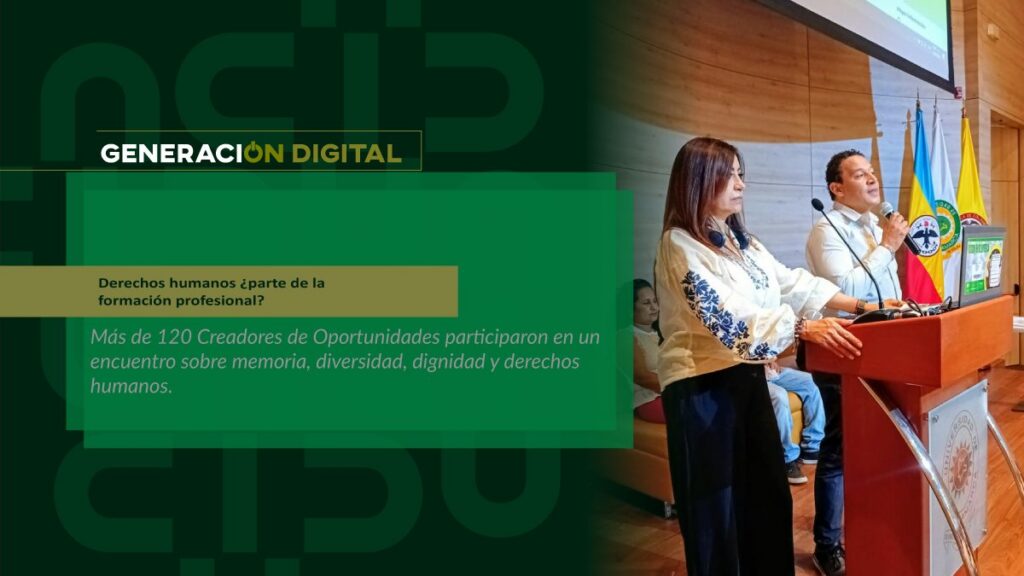
Human rights: part of professional training?
By: Alejandro García Suárez – Advisory Office of Communications



I am your virtual assistant, here to help you quickly and easily.
▲ Back to Top
Natural disasters are defined by the European Environment Agency (EEA) as “violent, sudden and destructive changes in the environment caused not by human activity, but by natural phenomena,” and no one in the world is prepared for them, so it is necessary for institutions to prepare themselves on how to prevent them and generate a culture of risk prevention.
The university will support the coordination of processes related to addressing natural phenomena. “The key here is how academia, with proper planning, can help mitigate natural disasters, and that's what we're working hard on,” explains Miguel Dávila, a professor in the Faculty of Environmental Engineering.
The University of Cundinamarca also provides support on disaster risk management plans and the responses that municipalities must have within the framework of the law. "All of the above is part of an agreement with the Special Administrative Unit for Risk Management of the governor's office and is part of a strategy that began in the previous administration and seeks to unify them.".
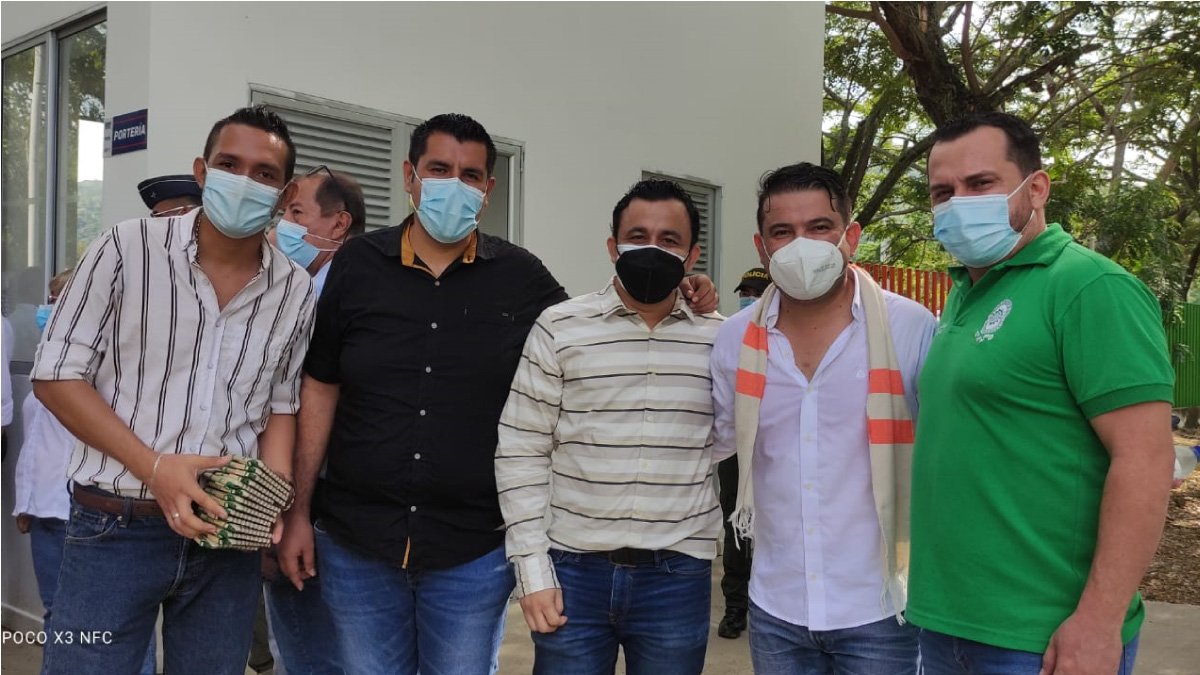
The Comprehensive Regional Response Center (CRIR) in Tocaima has a crisis room, accommodations for various emergency response teams, space for equipment, and will serve as the coordination center for entities within the Risk Management System. The investment totaled 4 billion pesos, and the governor was accompanied by the mayors of Fusagasugá, Ricaurte, Agua de Dios, and Tocaima, as well as representatives from the fire department, Civil Defense, and the Red Cross, among others.
The event was attended by Governor Nicolás García Bustos who stated that: “these facilities will be important for Alto Magdalena, Tequendama and Magdalena Centro.”.
With this work, UCundinamarca reaffirms its commitment to inter-institutional development for the benefit of the communities of the department.
Regarding risk management
Disaster risk management is a social process oriented towards the formulation, execution, monitoring and evaluation of policies, strategies, plans, programs, regulations, instruments, measures and permanent actions for the knowledge and reduction of risk and for the management of disasters, with the explicit purpose of contributing to the safety, well-being, quality of life of people and sustainable development.
The National Unit for Disaster Risk Management regularly conducts online courses on this topic as part of the National Strategy for Strengthening Community Organizations in Risk Management – ENFOCA. The training lasts four weeks.
For more information, please consult: http://portal.gestiondelriesgo.gov.co/
News
News
News
News