News
2026-09-24
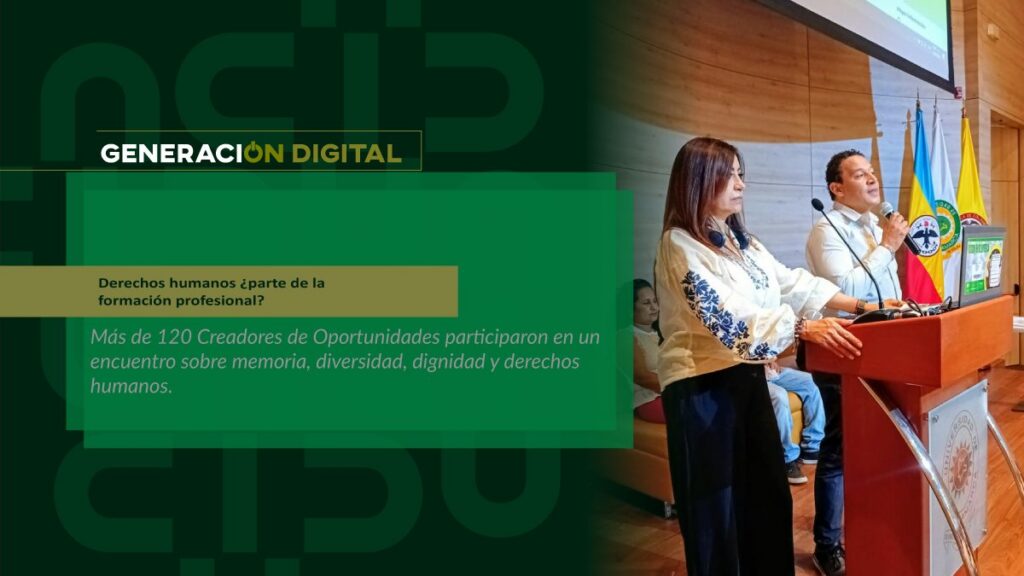
Human rights: part of professional training?
By: Alejandro García Suárez – Advisory Office of Communications


I am your virtual assistant, here to help you quickly and easily.
▲ Back to Top
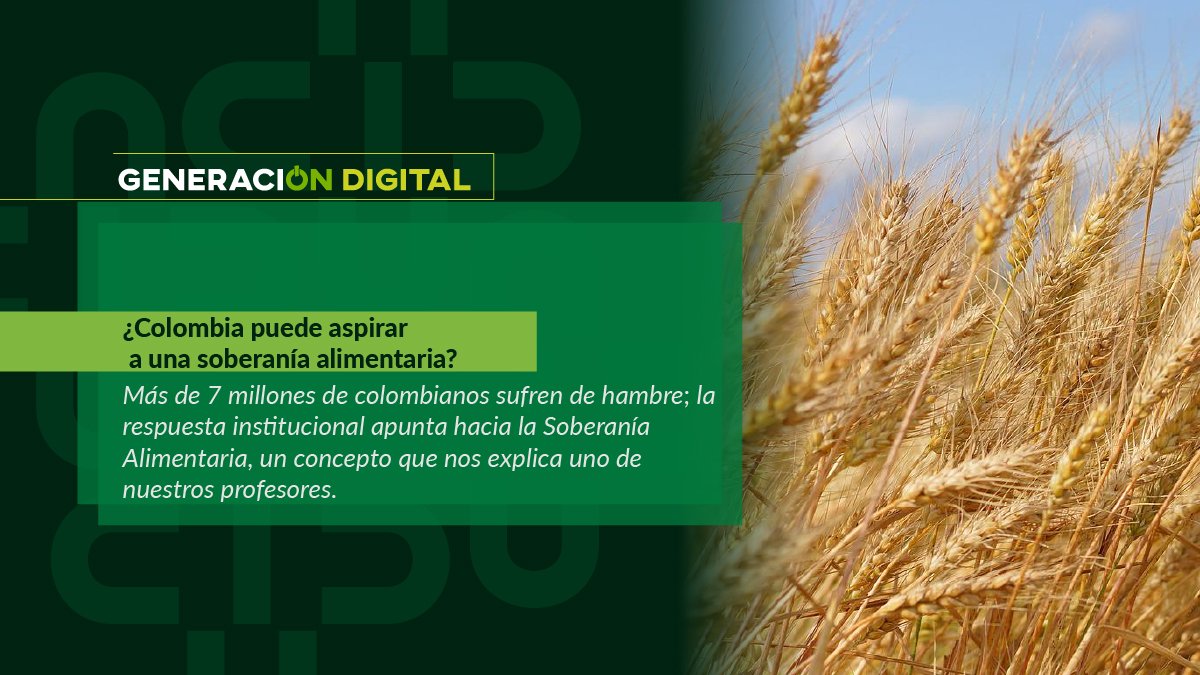
This year, the FAO (the Food and Agriculture Organization of the United Nations) announced that Colombia was among the 20 countries at risk of acute hunger. This was revealed in the report "Hunger Hotspots," which also states that approximately seven million Colombians lack food security and require immediate assistance. The reason for this situation: the country has not been able to adequately recover from the economic downturn caused by the pandemic and lacks the social policies necessary to effectively combat it.
The FAO also proposes three concrete actions to avoid this risk. “Supply and subsidize agricultural and veterinary inputs, provide assistance for the creation and conservation of these inputs using domestic raw materials, and finally, directly subsidize vulnerable populations to prevent famine during unexpected price increases,” the report states.
These three actions, as well as those proposed by the Sustainable Development Goals, point towards food sovereignty: a concept that has been gaining prominence this year, especially since the government of Gustavo Petro proposed to address agrarian reform from three fronts: the distribution of vacant lands from the National Land Agency (ANT), the takeover of the Colombian-Venezuelan company Monómeros that would produce fertilizers at low costs, and the budget law with which it is planned to finance agriculture with two trillion pesos.
However, to understand the notion of food sovereignty in a more academic way, we interviewed Professor Carlos Augusto Mendoza, who recently conducted a webinar on this topic, aimed at our academic community.
UCundinamarca News Agency: What is food sovereignty? Where does the term come from, and why is it important today?
Carlos Mendoza: Food sovereignty refers to the right of states to define their agricultural and food policy, based on the fundamental premise of ensuring that all people have access to a sufficient quantity of nutritious and safe food, while protecting environmentally sustainable local means of production, in order to conserve ecosystems and biological and cultural diversity.
The term originated during the World Food Summit in 1996, in which Food Sovereignty was proposed as an alternative to Food Security, since the latter, although it promotes the production, distribution and access to food, did not take into account the sustainability of production methods or the negative impact that the free market of food could generate on developing countries, for which it was impossible to compete against subsidized imported food at very low prices, leading to the precariousness of the social, economic and production conditions of local producers.
UCundinamarca News Agency: Is Colombia a country that has secured its food sovereignty, or is it on the path to doing so?
Carlos Mendoza: We are still far from achieving food sovereignty, as evidenced by figures related to food access and imports, hunger, land distribution, and local agricultural production. According to DANE (2022), it is estimated that nearly a quarter of households in major cities consume two or fewer meals a day.
Paradoxically, according to the Food Bank Network, nearly a third of the food produced in Colombia is wasted. Furthermore, according to Greenpeace (2021), Colombia imports approximately 12 million tons of food, representing about 30.1% of the food consumed in the country—a very high figure for a nation with an agricultural focus.
UCundinamarca News Agency: Can it be said that there is a government effort to ensure food sovereignty in Colombia?
Carlos Mendoza: Although the National Food and Nutritional Security Policy was proposed in 2018, efforts have not been sufficient, as evidenced by the figures above. The current disruptions to food and input production caused by global conflicts highlight the need for policies that promote not only food security but also food sovereignty.
UCundinamarca News Agency: What concrete actions exist to ensure food sovereignty, at both the micro and macro levels?
Carlos Mendoza: A structural reform may be required that includes policies that promote local agricultural production, discourage food imports, facilitate access to land for potential producers, promote technology transfer to the countryside, etc.
UCundinamarca News Agency: Who (governmental actors, private actors, etc.) needs to intervene in a nation to achieve food sovereignty?
Carlos Mendoza: When we talk about Food Sovereignty, government actors take the main role, since they are the ones who create the environment, through policies, so that communities, producers and local businesses can profitably and sustainably produce food in the quantity and quality required, and also ensure that the population can access this food.
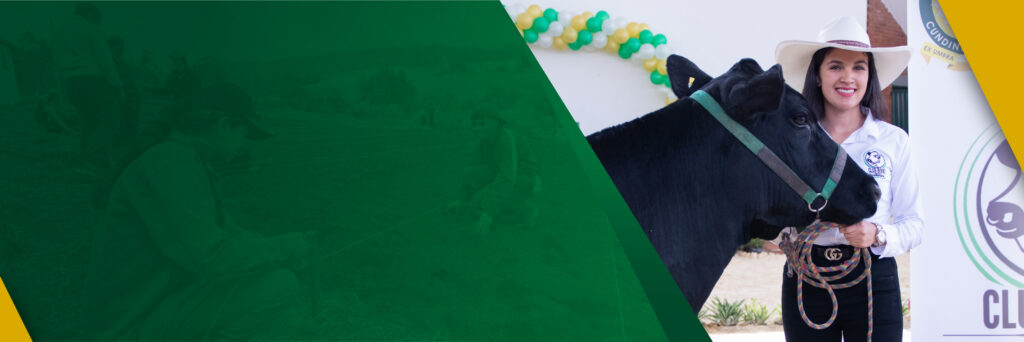
Regarding this last point, the University of Cundinamarca, through its Entrepreneurship Unit, has focused on promoting projects that market dairy and agricultural products using raw materials from the region. While this is just one link in the vast chain of Colombia's agricultural sector, it does demonstrate the University's commitment to building a Colombia with greater opportunities.
News
News
News
News