News
2026-09-24
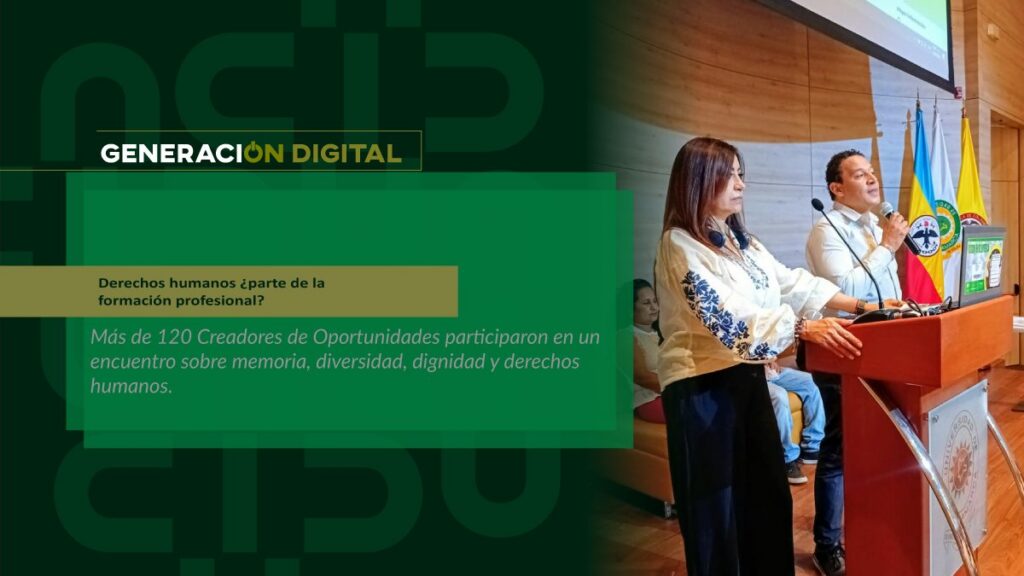
Human rights: part of professional training?
By: Alejandro García Suárez – Advisory Office of Communications



I am your virtual assistant, here to help you quickly and easily.
▲ Back to Top

By: Alejandro García Suárez – Advisory Office of Communications
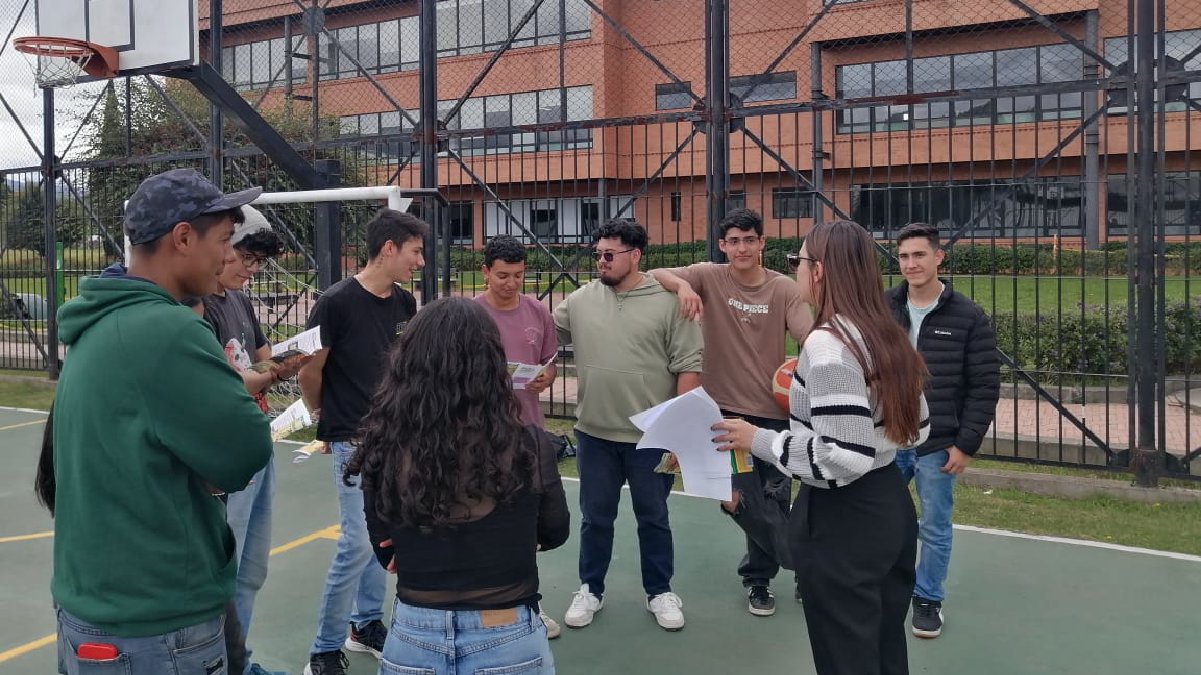
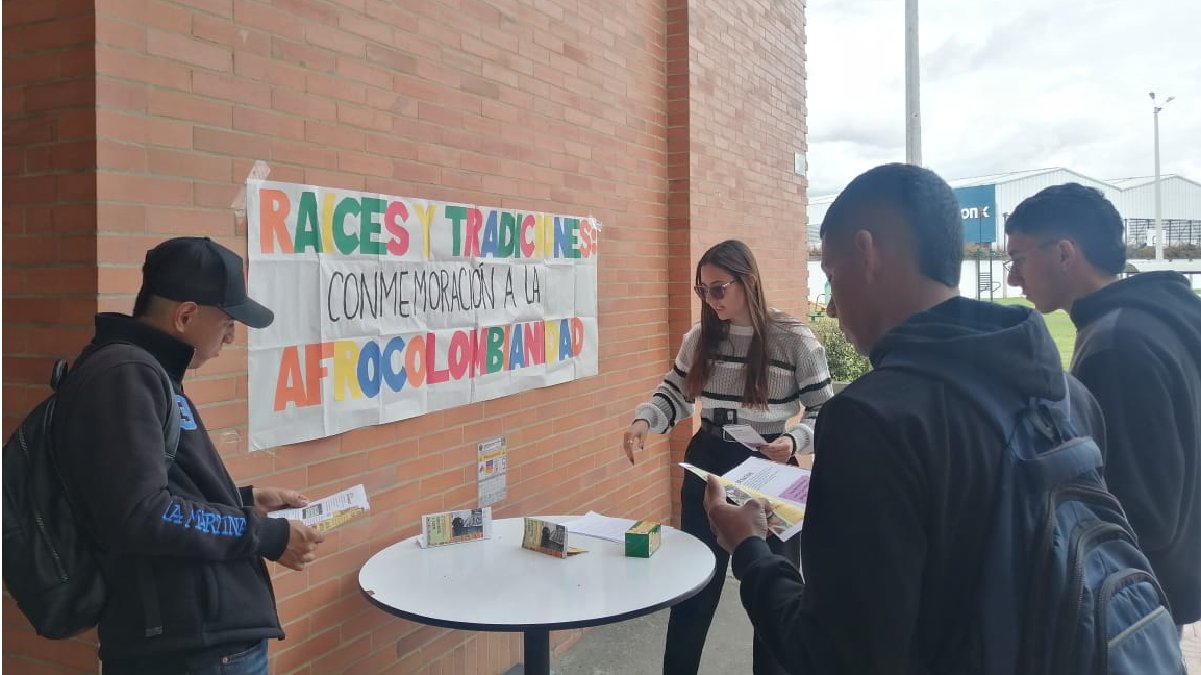
The University of Cundinamarca joined the national commemoration of Afro-Colombian Month with a series of experiences that highlighted the value of the black, Afro-Colombian, Raizal and Palenquera (NARP) communities in the country.
According to Rosa Catalina Lozano Serna, leader of Equity and Diversity at University Welfare, these actions were framed within the "Multicultural Kaleidoscope" strategy, which seeks to promote interculturality in the academic community.
Conversation that Unites Ancestral Knowledge
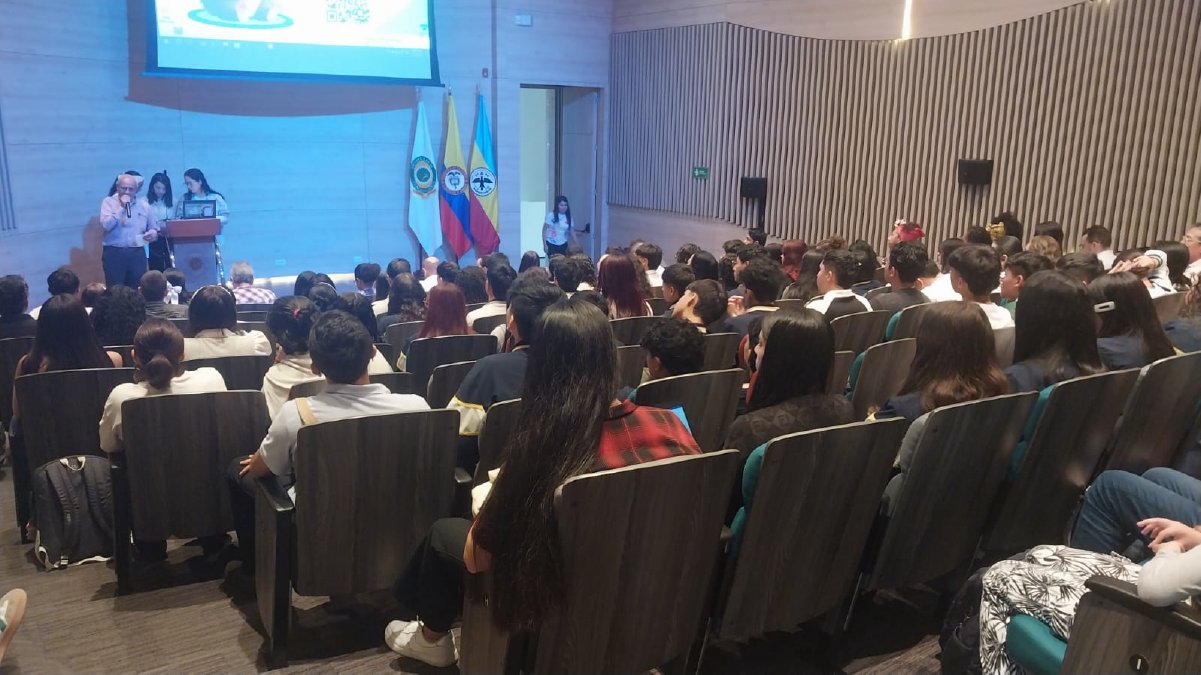
One of the highlights was the virtual discussion “Higher Education from a Multicultural Perspective,” which connected all the university's regional campuses. The event featured the participation of ancestral experts who shared knowledge about healing through music, medicinal plants, rituals, and spirituality.
“These voices, bearers of ancient knowledge, showed how their practices remain alive and strengthen the identity of Afro-descendant and indigenous peoples,” Lozano Serna noted.
The discussion fostered an enriching dialogue between academic knowledge and traditional wisdom, allowing for reflection on inequality and the need to strengthen differentiated approaches in higher education. Furthermore, cultural displays were held in the various regional units, celebrating Afro-Colombian expressions and traditions that enrich the nation.
A Gathering for Afro-Colombian Heritage in Fusagasugá
On May 21, the Fusagasugá campus hosted the event “United by Afro-Colombian Heritage.” This initiative was the result of a collaboration between the Faculty of Education and the Bachelor of Social Sciences program at the university, UNAD (National Open and Distance University), the Fusagasugá Education Secretariat, the Normal Schools of Pasca and San Bernardo, and representatives of Afro-Colombian and Afro-Colombian communities.
During this meeting, fundamental topics were addressed, such as the Afro-Colombian Studies program, education for recognition, colorism, Afro legacies, the African diaspora, and collective ownership. Presentations were given by students, teachers, and community leaders.
Cielo Yara Sepúlveda, the Indigenous delegate for Public Policy for Indigenous Peoples in Bogotá, highlighted the importance of these spaces: “In my role as delegate for Indigenous Public Policy in Bogotá, I believe these academic spaces are fundamental for making Indigenous peoples visible and empowering them, as well as for recognizing their history in the struggle for the vindication of their rights. This struggle has allowed us to move towards concerted participation and greater recognition, important steps for building a truly inclusive public policy.”.
These initiatives are part of the implementation of the Inclusive Higher Education Policy and reaffirm the University of Cundinamarca's commitment to social justice and the building of a more equitable and diverse academic community. The institution thus reinforces its role as a promoter of the recognition of difference and human sensitivity in the educational sphere.
Listen to our Podcast:
News
News
News
News