News
2026-09-24
Human rights: part of professional training?
By: Alejandro García Suárez – Advisory Office of Communications



I am your virtual assistant, here to help you quickly and easily.
▲ Back to Top
By: Alejandro García Suárez – Advisory Office of Communications
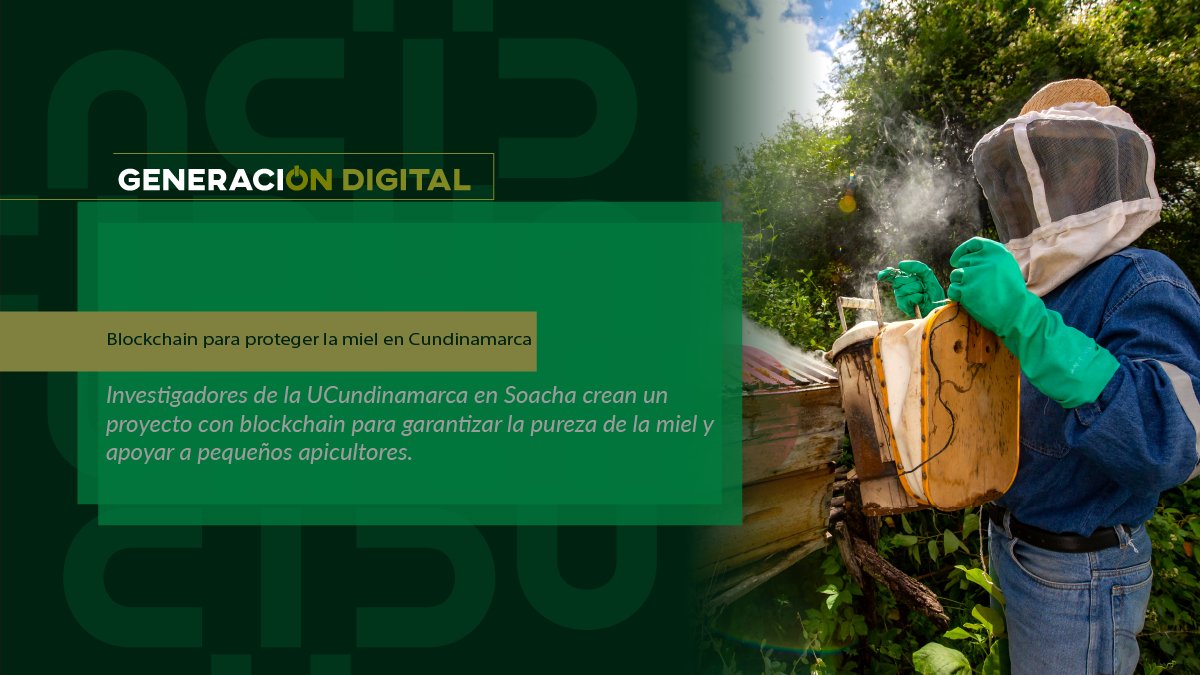
Researchers from the Industrial Engineering program at the Soacha campus are working to ensure the answer is a resounding “yes.” Their project proposes using blockchain technology to guarantee the traceability and authenticity of honey, thus combating adulteration, a practice that affects the health and livelihoods of beekeepers.
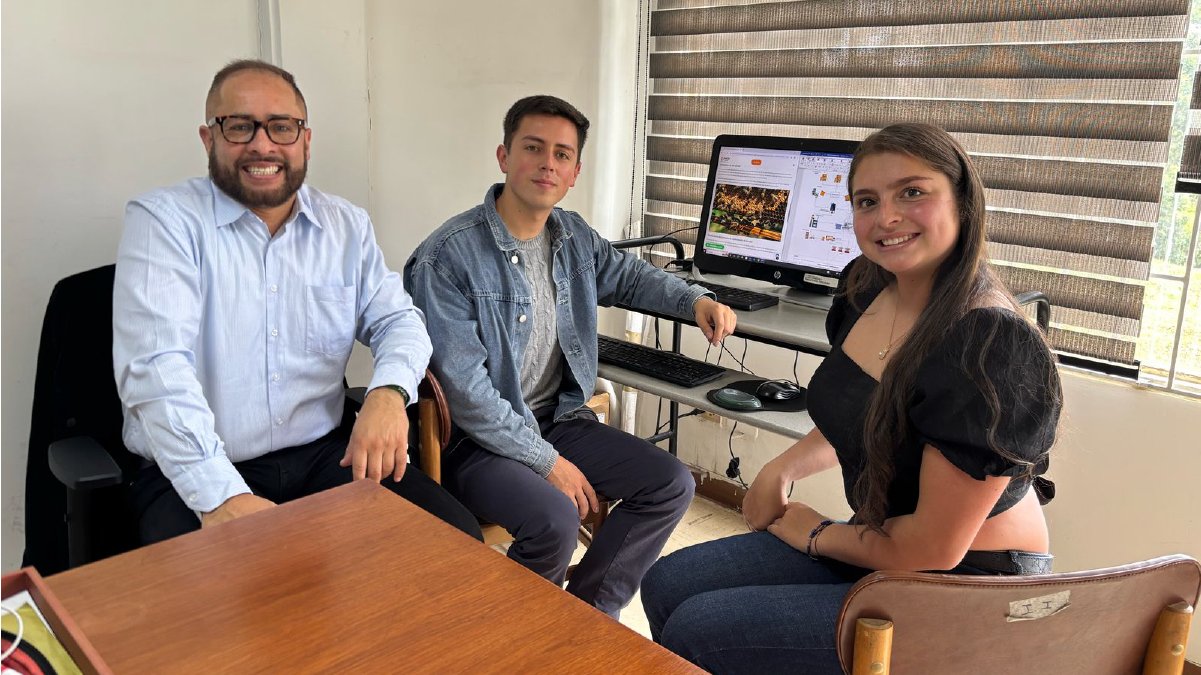
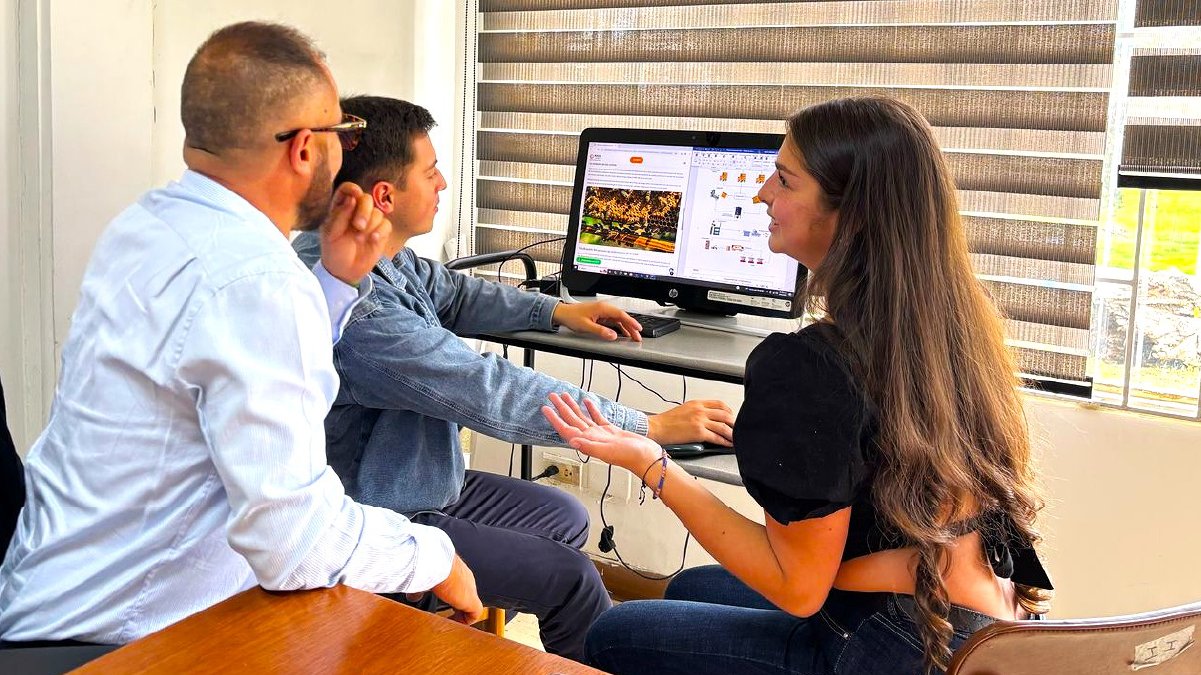
The research, led by the Knowledge and Learning Manager, engineer Jimmy Méndez Molano, along with students Jeferson Steven Romero Varón and Laura Daniela Ruiz Babativa, and with the advice of teacher Franklin Montenegro Marín, seeks to address a growing problem: the adulteration of honey with syrups such as high fructose corn syrup, which deceive the consumer and can contribute to diseases such as type II diabetes and obesity.
“We want to strengthen beekeepers” production processes through blockchain. This technology allows us to guarantee the traceability and quality of honey, benefiting both producers and consumers,” Méndez stated.
He added that the use of blockchain technology is marking a turning point in beekeeping. Its application allows for the creation of a unique, decentralized, transparent, and immutable digital record that documents every stage of the honey production process: from the care of the bees in the hive to the moment the product reaches the end consumer.
How does it work?
Blockchain is a digital technology that acts as a ledger, where each piece of data or transaction is stored in interconnected blocks, forming a chain. Most importantly, each block is validated by a network of users, making it virtually impossible to alter the recorded information. This guarantees the security, transparency, and traceability of the data.
In the context of beekeeping, this technology ensures that honey is authentic, free from adulteration or contaminants, and produced under quality standards. Furthermore, by making each step of the process visible, the system allows for the rapid detection of fraud or irregularities, protecting both consumers and producers.
This project is being developed under the Transmodern Digital Educational Model (MEDIT) of the University of Cundinamarca and has the support of the SocSac research group. Its implementation would not only strengthen confidence in the product but also help small beekeepers in Cundinamarca compete on a more level playing field by eliminating intermediaries, increasing their income, and facilitating access to national and international markets. “Fake honey sells for as little as 10,000 pesos, while authentic honey costs between 40,000 and 80,000 pesos. This price difference damages the market and generates distrust among consumers,” explained Méndez Molano.
For Laura Daniela Ruiz Babativa, an Industrial Engineering student, participating in this project has been a transformative experience: “We have learned everything from planning to honey distribution, understanding the importance of good beekeeping practices.”.
Jeferson Steven Romero Varón, a member of the project, emphasized that his motivation has been to add value to the work of local beekeepers: “We want to improve the quality of the product and strengthen its presence in the market.”.
This project not only proposes a technological solution, but also a social and economic approach that promotes the sustainable development of the Colombian countryside.
An initiative that unites science, innovation and social commitment to protect everyone's health and strengthen the Colombian countryside, from the honey that reaches your table to the heart of those who produce it.
Listen to our Podcast:
News
News
News
News