News
2026-09-24
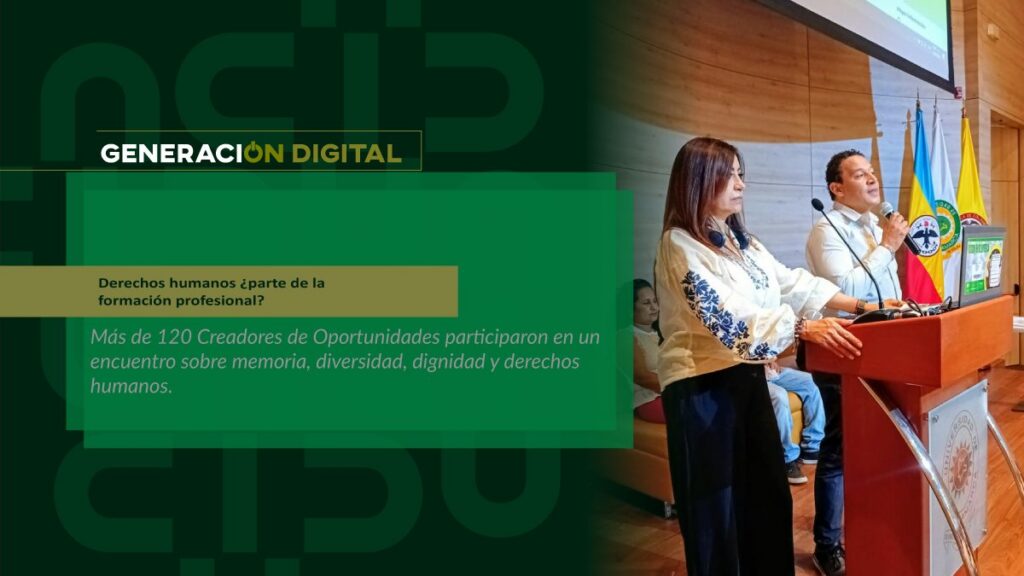
Human rights: part of professional training?
By: Alejandro García Suárez – Advisory Office of Communications


I am your virtual assistant, here to help you quickly and easily.
▲ Back to Top
By: Jack Fran Armengot García Pérez
Biologist, M.Sc. in Biology
Lecturer, Environmental Engineering program, University of Cundinamarca
Professor at the University of Tolima
Rapid economic growth has generated benefits for society, and in turn, challenges for the conservation, management and sustainable use of the country's natural capital.
In recent decades, economic activity and population pressure have triggered transformations in the territory that pose increasing challenges to biodiversity and the systems that depend on it. The inadequate use and occupation of the territory and the degradation of environmental quality have created conditions of conflict, which must be addressed through sectoral environmental planning and management, in order to build a more equitable and peaceful country (DNP 2017).
According to Colombia's Biodiversity Information System, our country has the second-highest biodiversity, surpassed only by Brazil. Given this, the potential of national biocommerce emerges, which consists of the rational and sustainable use of native biodiversity and, as a proposal, invites us to produce goods while being environmentally friendly, respecting human health, and acknowledging the cultures that have historically interacted with the fauna, flora, and ecoregions.
Biocommerce within the general regulatory framework is addressed in the National Sustainable Biocommerce Program 2014-2024, and in the National Development Plan 2018-2022, in relation to green businesses.
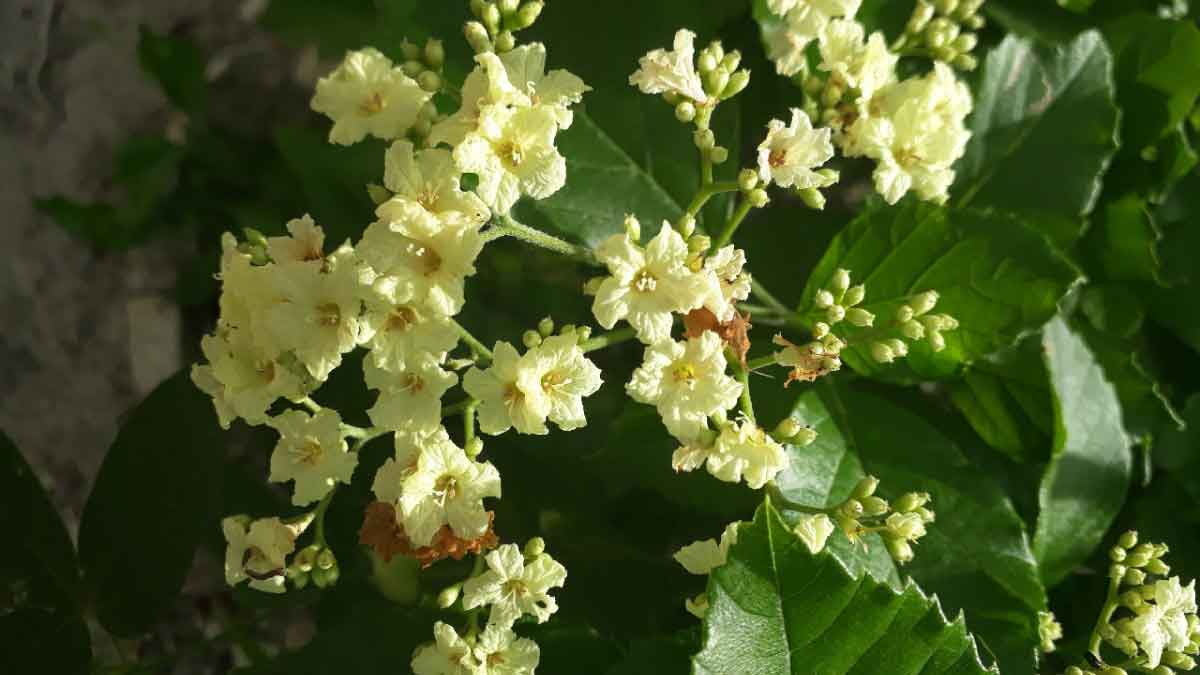
Photo 1: Gum Tree (Cordia sp) representative in the Alonso Vera Natural Reserve, Girardot. Its fruits are used locally as glue.
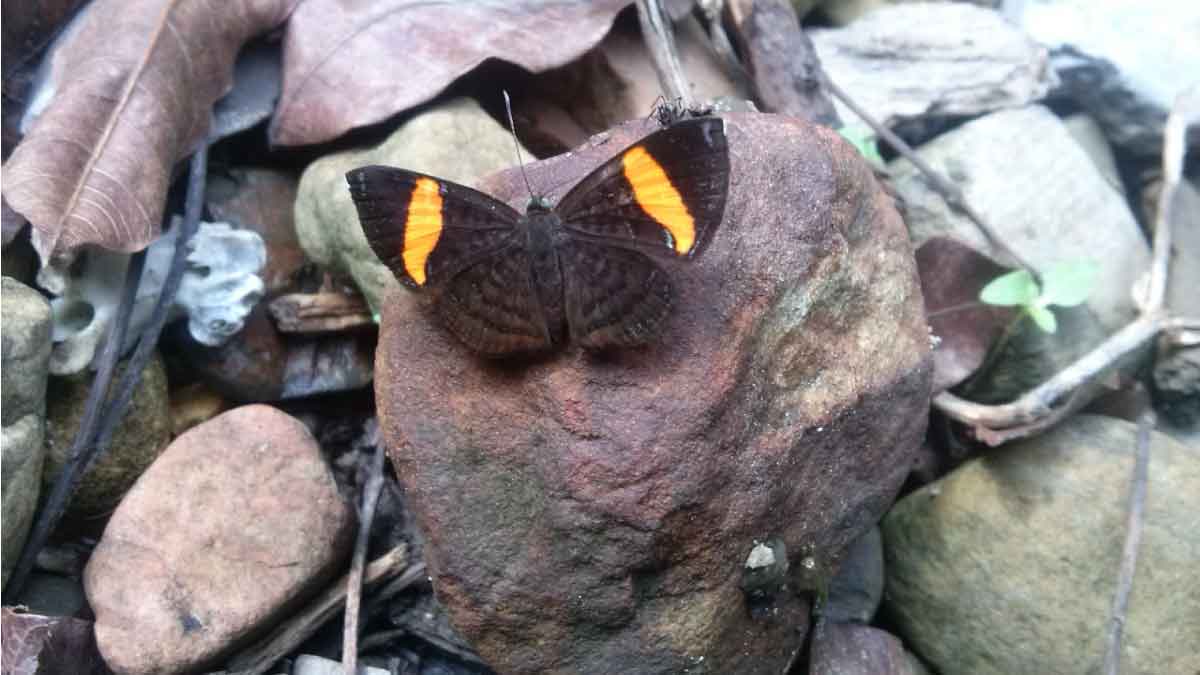
Photo 2: Butterfly Emesis sp present in the relict of Tropical Dry Forest of the Alonso Vera Natural Reserve, Girardot.
Participation in the Colciencias Call for Proposals
In 2018, Colciencias, now the Ministry of Science, Technology and Innovation, launched Call for Proposals No. 802 for R&D Projects for the Technological Development of Biological Resources that contribute to addressing the challenges of the department of Cundinamarca. The Business Administration and Environmental Engineering programs at the University of Cundinamarca, Girardot campus, participated in this call and secured funding with their project.: Development of Business Prototypes in Biocommerce derived from the productive social chains, located in the traditional trails of Girardot and Alto Magdalena, based on the vegetation of the tropical dry forest.
This project seeks to integrate the 8 municipalities that make up the Province of Alto Magdalena, with its capital Girardot, to develop and strengthen their local economies, supported by the great diversity present in the Tropical Dry Forest (TDF), its areas of scenic interest and ecotourism within the great ecosystem mosaic of Alto Magdalena.
It is important to note that the Upper Magdalena Province is located in the southwest of the department of Cundinamarca. It is bordered to the north by the Central Magdalena Province, to the south and west by the department of Tolima, and to the east by the provinces of Sumapaz and Tequendama. It has a land area of 1,184 km², which corresponds to 5.31% of the total area of the department, making it the tenth largest province in the department. Its jurisdiction includes the municipalities of Agua de Dios, Guataquí, Jerusalén, Nariño, Nilo, Ricaurte, Tocaima, and Girardot (the provincial capital) (CEPEC 2011).
Project results
The first preliminary result of the Biocommerce project on traditional trails in the Bs-T region of the Upper Magdalena Province, developed by researchers from the University of Cundinamarca, is the identification of approximately 50 plant species with ethnobotanical potential. This means that these species have medicinal, agro-industrial, or cultural uses that can be explored in local economies or in future bio-businesses.
The second outcome is the initial description of 15 landscape areas, which, after passing through normative, ecosystemic, and similarity analysis selection criteria, were narrowed down to 8 areas of interest. These correspond to the 8 municipalities that make up the Upper Magdalena region, which must be conserved through the territorial planning schemes developed by each local government.
These are the municipalities and sites of interest, which have a short and medium term projection in environmental perception processes and ecotourism.
Table 1. Sites of interest for traditional trails by municipality
| MUNICIPALITY |
| PLACE |
|---|---|---|
| Girardot | 1 | Blue Well |
| Tocaima | 2 | La Grande Ravine |
| Nile | 3 | Mule's Pool |
| Guataquí | 4 | Buscavida Ravine |
| Water of God | 5 | Reserve Sweet Manna |
| Jerusalem | 6 | Blue Well |
| Ricaurte | 7 | Ecotone of the Yulo Wetland |
| Nariño | 8 | Alto de las Lagunas |
* Source: Research Team, 2020 Project
The third result is the broadcast of 6 radio programs in 30-minute slots on Ucundinamarca Radio, within the thematic framework of Ecotourism and Biocommerce in municipalities of the Upper Magdalena Province (Cundinamarca 2020-2021).
It is important to note that due to the restrictions caused by the COVID-19 pandemic, these radio programs have been a great support in disseminating information about this project, and they have addressed topics such as: Tropical Dry Forest: potential and threats for the Upper Magdalena; ancestral memory about plants: ethnobotany; ecotourism, conservation and university; Biocommerce and sustainable products; interviews with leaders of municipalities in the Upper Magdalena and their analyses of local ecotourism.
Each radio program highlighted the importance of the Tropical Dry Forest as a regulator of carbon dioxide, producer of oxygen, mediator in water capture and distribution, and refuge for diverse organisms. Hence the importance of conserving these forests, as they are the guardians of terrestrial life, just as coral reefs are of the sea.
Therefore, the conservation and rational and transdisciplinary management of all ecosystems is imperative to guarantee the stability of the planet and environmental services.
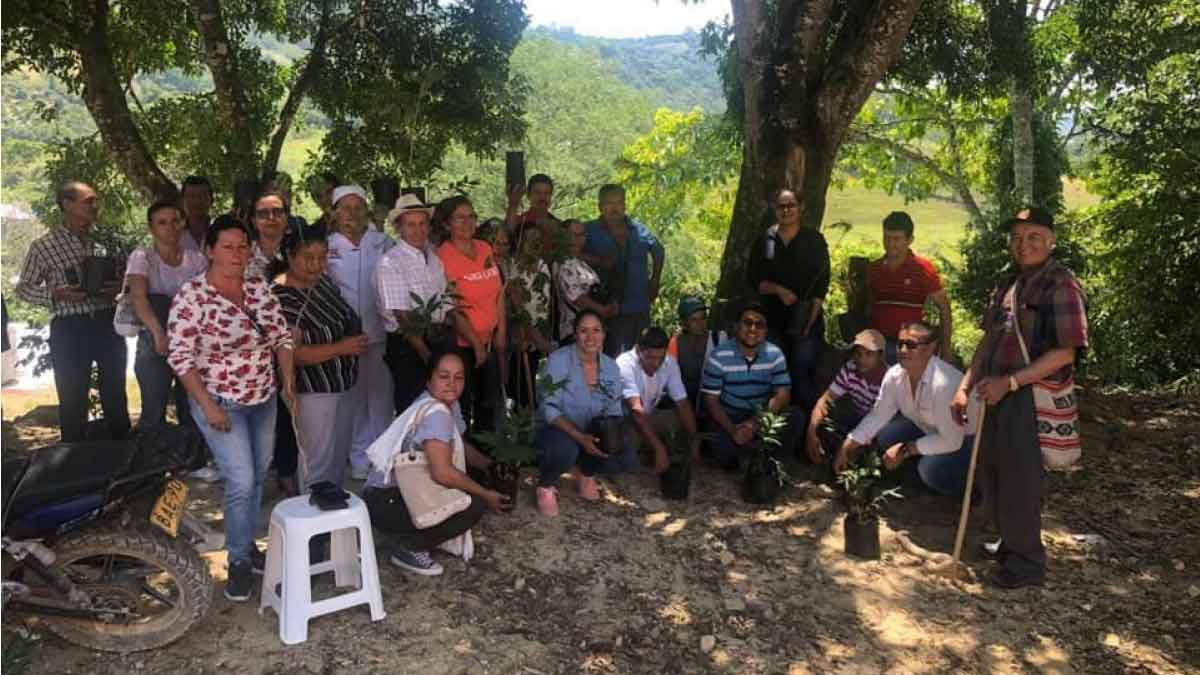
The fourth outcome is the dissemination of the project through training sessions for residents of the eight municipalities. The most recent session was held on February 20th and was attended by 30 residents of the Copó village in the municipality of Tocaima. In addition to the research team from the University of Cundinamarca, officials from the municipality's Department of Agriculture and Environment also participated in this training.
Looking ahead, we expect to continue with the training and other proposed activities, following biosafety protocols and local and national regulations.
Photo 3: Training on the importance of the Tropical Dry Forest in the Copó village, Tocaima. .
* Fountain: http://www.tocaima-cundinamarca.gov.co/noticias/capacitacion-sobre-la-importancia-del-bosque-seco-tropical
Research Group
The research group for this project is multidisciplinary and is made up of the teachers Darío Benavides Pava, principal investigator, the co-investigators María Isbeth Cárdenas, Diego Edison Quiroga Rojas, Mauricio García Arboleda, Gina María Morales García, Jack Fran Armengot García Pérez; and the student research assistants: María Angélica Godoy Merchán, Gabriela Andrea Gutiérrez Gaitán, Andrés Felipe Guzmán Sánchez, María Paula Gómez Leal, Faisury Alexandra Llanos Ortiz, Geraldin Andrea Niño Galindo, Nini Tatiana Serna García, Laura Andrea Sánchez Sánchez and María Luisa Herrera López.
Photo 4: Research team: Los Acacios Group of the Faculty of Administrative, Economic and Accounting Sciences and Udecino Environmental Research Group of the Faculty of Agricultural Sciences, Girardot branch.
Literature
DNP. (2017). Bases of the National Development Plan 2014-2018. National Planning Department. Bogotá DC, Colombia. 793 p.
DNP. (2019), BASES DEL PLAN NACIONAL DE DESARROLLO 2018 – 2022 PACTO POR COLOMBIA, PACTO POR LA EQUIIDAD. Bogotá, DC, Colombia. 1457 p.
MinAmbiente (2014). National Program for Sustainable Biocommerce (2014 – 2024). Ministry of Environment and Sustainable Development. Republic of Colombia. 128 p.
CEPEC. (2011). COMPETITIVENESS AND ECONOMIC DEVELOPMENT PLAN FOR THE UPPER MAGDALENA PROVINCE. Consulting Services Contract No. C-40/2010. Government of Cundinamarca – CENTER FOR THOUGHT ON COMPETITIVE STRATEGIES, University of Rosario. 82 p.
SIB Colombia. (2020, June 3). Biodiversity Information System of Colombia. Retrieved from https://sibcolombia.net/
Tocaima City Hall. Retrieved from http://www.tocaima-cundinamarca.gov.co/noticias/capacitacion-sobre-la-importancia-del-bosque-seco-tropical
News
News
News
News