News
2026-09-24
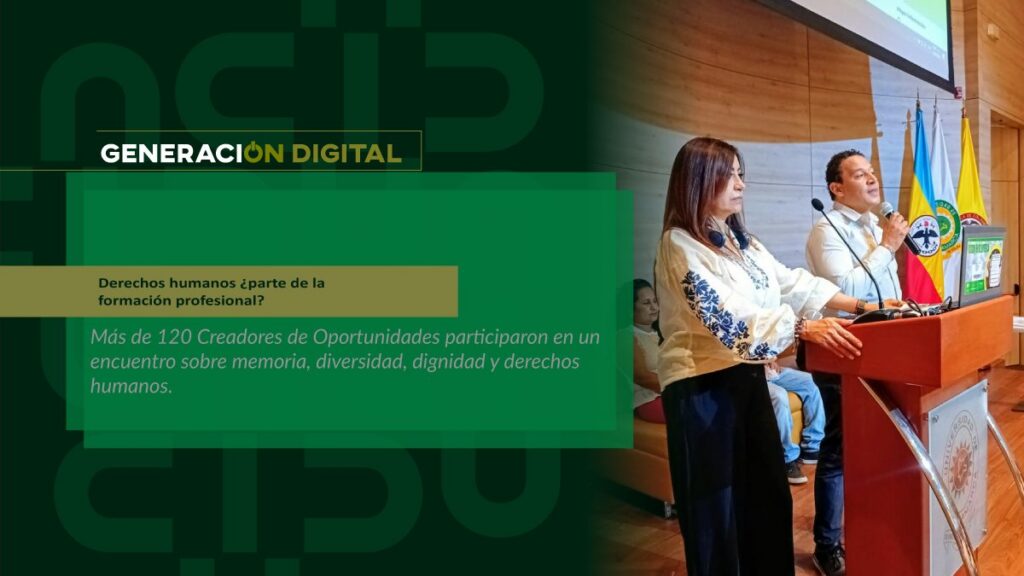
Human rights: part of professional training?
By: Alejandro García Suárez – Advisory Office of Communications



I am your virtual assistant, here to help you quickly and easily.
▲ Back to Top
Maestro Guillermo Quevedo Zornoza, in addition to being recognized as one of the teachers who influenced Gabriel García Márquez during his time studying in Zipaquirá, was also one of the composers most dedicated to shaping a Colombian identity, from a musical perspective, at the beginning of the 20th century.
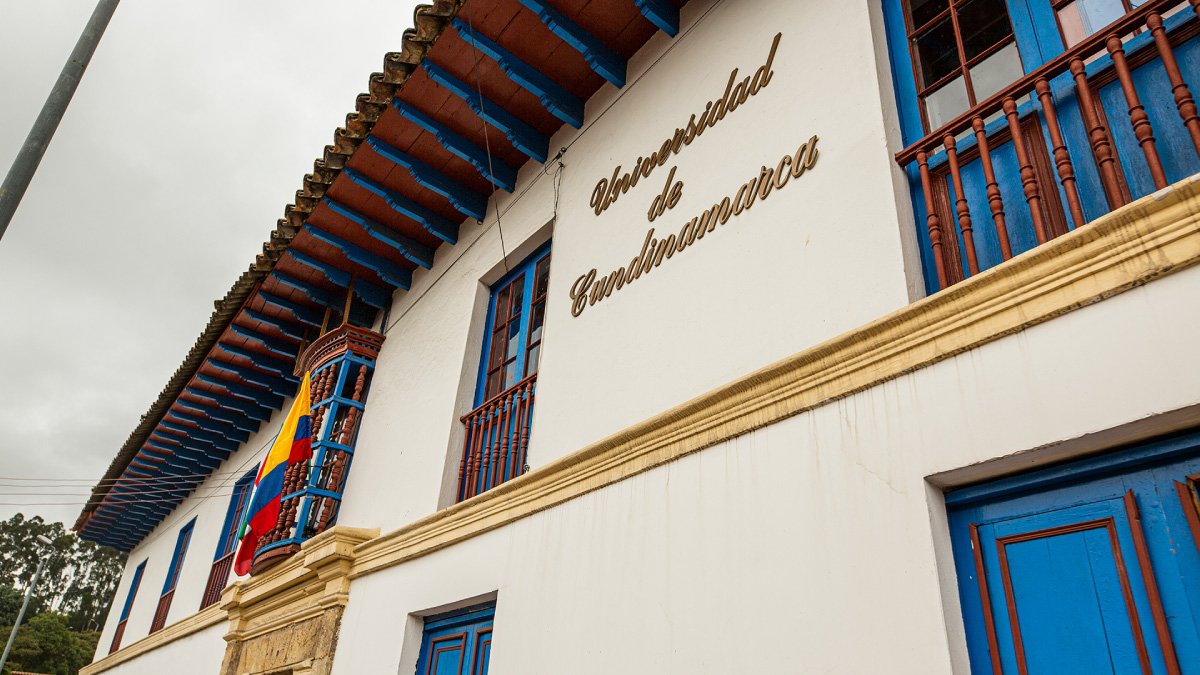
For this reason, his work and his life have always sparked interest among researchers in the Music program at the University of Cundinamarca, who last year managed to publish a research book where, apart from his biography, an analysis of his compositions and his contribution to Colombian art is made.
This work, produced by professors Luz Nelly Vanegas Sabogal, Sebastián Pineda Bautista, Manuel Antonio Hernández Martínez, and Blanca Libia Munar Moyano, also aims to preserve and innovate in the field of artistic research, showcasing the evolution of Andean music on the national scene. For this reason, the University of Cundinamarca News Agency spoke with Professor León Fabio Salcedo, who is also an author of the book and is currently a doctoral candidate in research, about the process behind its creation.
UCundinamarca News Agency (AN): What was the interest in writing a book about the teacher Quevedo Sornoza?
León Salcedo (LS): There's a geographical interest, which is why the Music program is located in Zipaquirá, but also because Quevedo is recognized as one of the Colombian composers who, at the beginning of the last century, sought to forge a national identity based on Andean music. Therefore, what our book sets out to do is to analyze, both technically and contextually, the maestro's contribution to Colombian culture.
AN: What did that technical and contextual analysis of Quevedo Zornoza's work consist of?
LS: Well, the researchers gathered biographical information, but we also collected Quevedo's compositions: bambucos and pasillos, such as 'Aguinaldos', 'Caracolito', and 'Gran Colombiano'. The latter, for example, demonstrates the maestro's interest in national identity. With these compositions, we analyzed their characteristics, such as rhythm, form, styles, parts, chord parameters, and how one work differed from another. And this data was reviewed in light of its historical context.
AN: Do you think that Quevedo's objective, to establish Andean music as an element of Colombian identity, has been lost?
LS: No. But it's true that around the 1950s, Colombian musical interest shifted towards the rhythms of the Atlantic coast, due to factors such as the support of the elites, since the rhythms of that region are more extroverted than those of Andean music. But the fact that bambucos and pasillos remained for half a century as the music with which Colombians identified is proof of the efforts of Quevedo and other composers of that era.
AN: What was the process of publishing with the University's publishing house like?
LS: The creation of this book was a wonderful process. Thanks to Luz Nelly and Sebastián, we were able to create arrangements of Quevedo's musical scores. On a research level, it was gratifying to know that the book passed all the necessary peer reviews and evaluations to become a recognized research publication. And now, it is available on the publisher's website for consultation and distribution.
AN: Why is it necessary to continue researching music in Colombia?
LS: I speak for those of us who research the artistic field of music, because there are also researchers dedicated to pedagogy, and that is very valuable. Research today allows us to read history through music, but it also allows us to carry out an exercise in heritage preservation and provides an opportunity to revive artistic practices. With all this knowledge on our side, we can truly innovate in the field of music.
News
News
News
News