News
2026-09-24
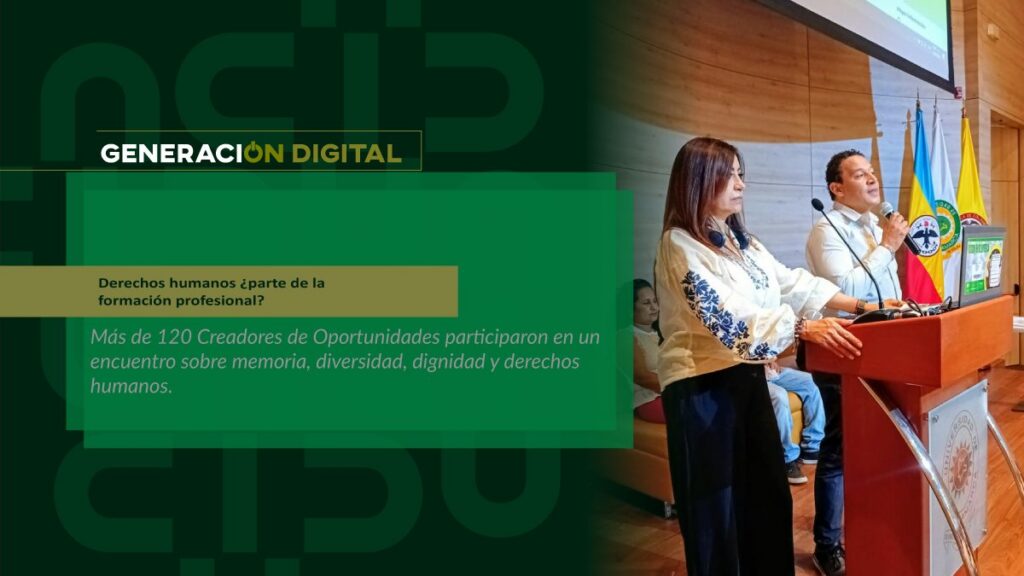
Human rights: part of professional training?
By: Alejandro García Suárez – Advisory Office of Communications



I am your virtual assistant, here to help you quickly and easily.
▲ Back to Top
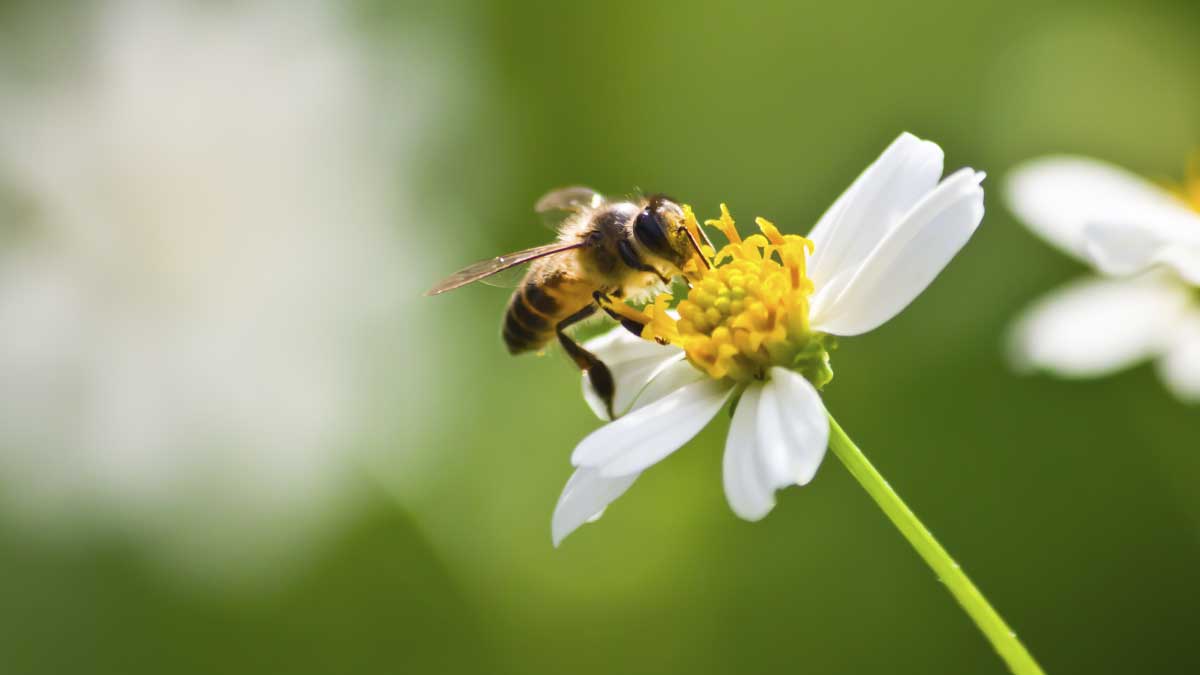
A group of professors from the University of Cundinamarca began an investigation in the department to learn more about the angelita bee in order to ensure its conservation in natural environments.
The project has four objectives:
1) Taxonomic discrimination (linear and geometric morphology + molecular mtDNA) of Tetragonisca angustula (Latreille, 1811) (Hymenoptera:Apidae).
2) Foraging preferences of Tetragonisca angustula (Latreille, 1811) (Hymenoptera: Apidae).
3) Characterization of actors in the angelita bee honey production chain.
4) Approximation of the possible brakes and drivers of the territory that influence the production systems of honey in the department of Cundinamarca.
The research team also includes Professor Helena Brochero, who belongs to the National University of Colombia in the Bogotá campus of the Faculty of Agricultural Sciences; meanwhile, the representatives of the University of Cundinamarca are the teachers Liliana García, Diego Alexander Hernández Contreras and Mabel Ximena Velázquez from the agronomic engineering program.
The investigation is being carried out on farms in the municipalities of La Mesa, Tibacuy, Tena and Zipacón in the department of Cundinamarca.
“The outlook is promising since these bees are native species that serve as pollinators for various crops and, as an added benefit, produce honey with medicinal properties. However, proper management practices must be implemented in meliponiculture,” stated the professor from the University of Cundinamarca.
The latest findings of the current research:
* There are certain morphological differences in the sampled populations, such as in wing shape.
* The floral resources of this species are varied and it is considered a generalist pollinator.
Regarding the driving forces in the region that influence honey production systems in Cundinamarca, it was found that these forces are environmentally, economically, and socially viable. “Regarding the driving forces, it was concluded that there is a lack of knowledge and misinformation about both the properties of honey and the characteristics of the species and its proper management,” explained Professor Liliana García.
Invitation
The researchers of the project "Tetragonisca angustula in Cundinamarca: Aspects of the biology, ecology, and potential market of its honey" are inviting those interested in the topic to join them on December 11th to learn about the progress of the study. The session will offer a certificate of attendance and is free of charge.
In this link You can register for the event
News
News
News
News