News
2026-09-24
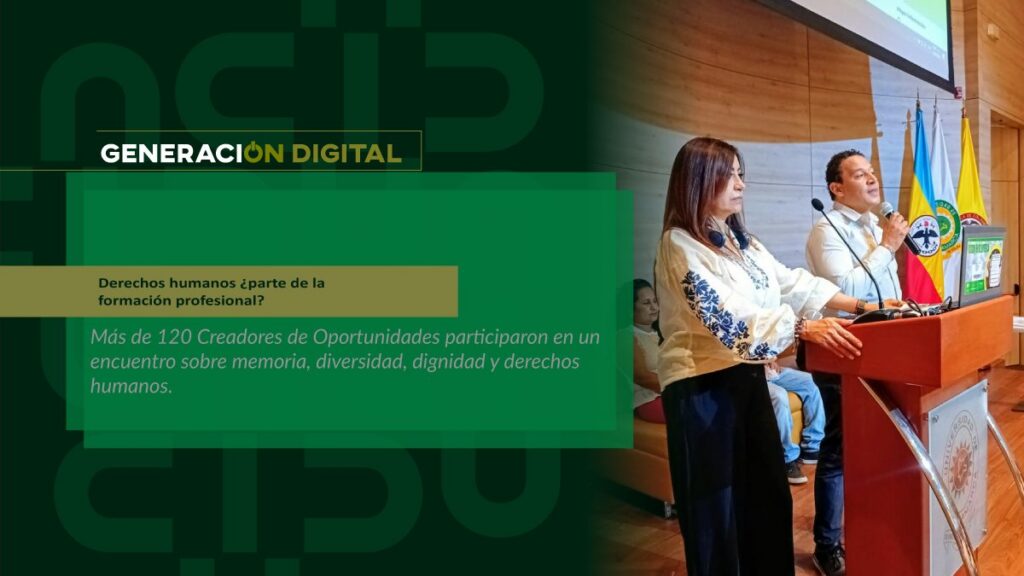
Human rights: part of professional training?
By: Alejandro García Suárez – Advisory Office of Communications



I am your virtual assistant, here to help you quickly and easily.
▲ Back to Top
By: Carolina Rojas – Advisory Office of Communications
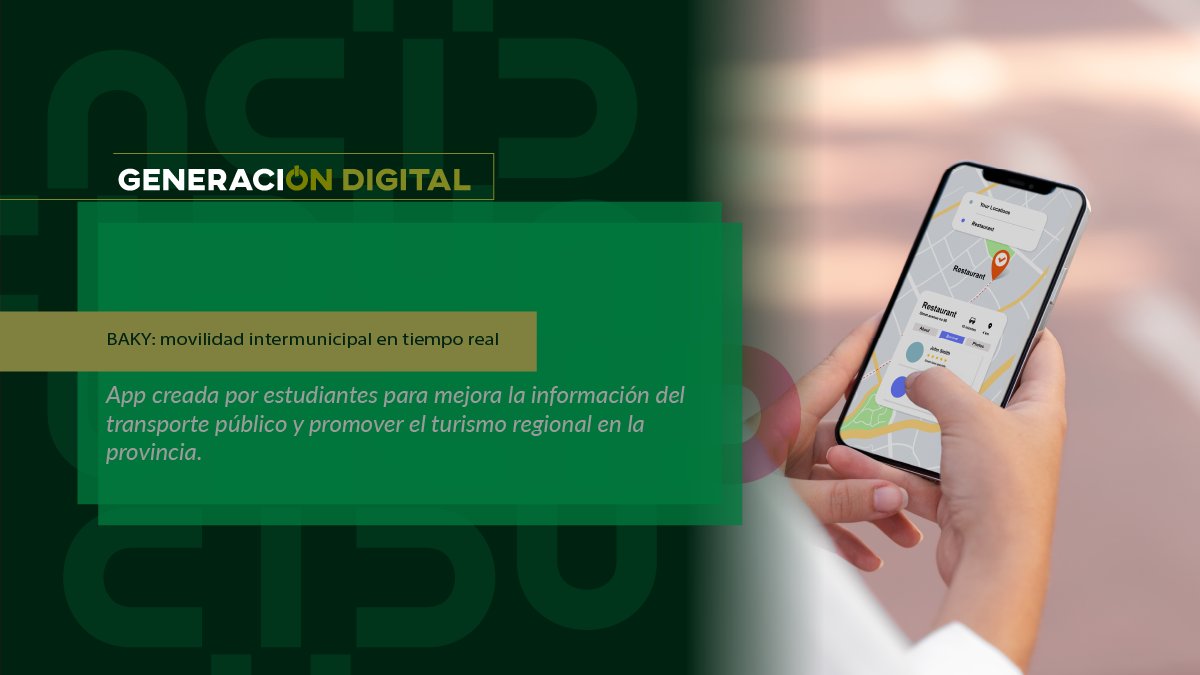
With the goal of transforming the intermunicipal public transport experience in the province of Ubaté, students Leider Stiven Castillo García and Deyvid Adrián Jiménez Salazar from the Systems and Computer Engineering program of the Ubaté branch, under the direction of the Knowledge and Learning Manager, engineer Rafael Ortega Ortega, developed BAKY, a mobile application that centralizes and updates in real time essential information about routes, schedules, fares, stops and location of buses.
The app not only addresses the disorganized information users face daily, but also solves an operational need for drivers, who can now identify waiting points and thus reduce the risk of accidents. In addition, BAKY includes tourism-oriented sections with details on accommodations and points of interest, thereby increasing the region's visibility.
Aimed at the more than 60,000 inhabitants of the 11 municipalities in the province, as well as tourists and transport companies, the app was developed using agile methodologies (Scrum) and tools such as Flutter, Firebase, geolocation systems, and quality standards such as ISO 25010.
During its development, the team faced significant challenges: the limited technological infrastructure of transportation companies and the need to keep data up-to-date. As a solution, they incorporated a web version for drivers to manually report their location and an administration panel for the companies.
BAKY not only improves the mobility experience and reduces waiting times, but also promotes the use of public transport and the reactivation of local tourism. Furthermore, it represents a successful example of how academia, aligned with the Transmodern Digital Educational Model (MEDIT), can contribute to the recovery of local tourism., It can generate technological solutions with a real impact on the social environment.
Thus, this project becomes a model of regional innovation that integrates science, technology and commitment to the territory.
News
News
News
News