News
2026-09-24
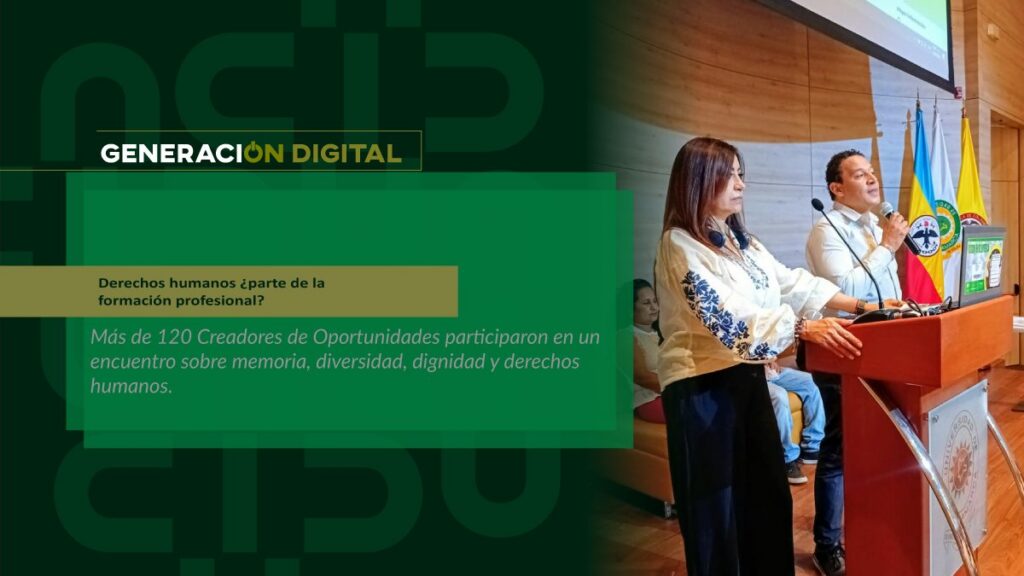
Human rights: part of professional training?
By: Alejandro García Suárez – Advisory Office of Communications


I am your virtual assistant, here to help you quickly and easily.
▲ Back to Top
By: Alejandro García Suárez – Advisory Office of Communications
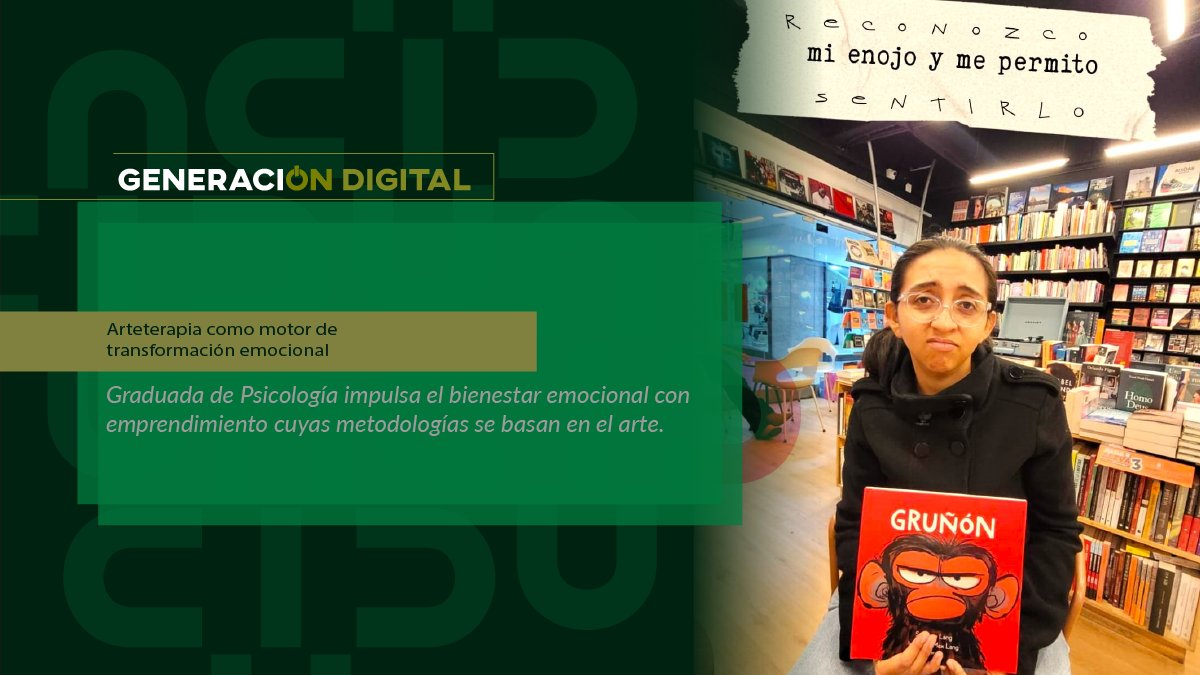
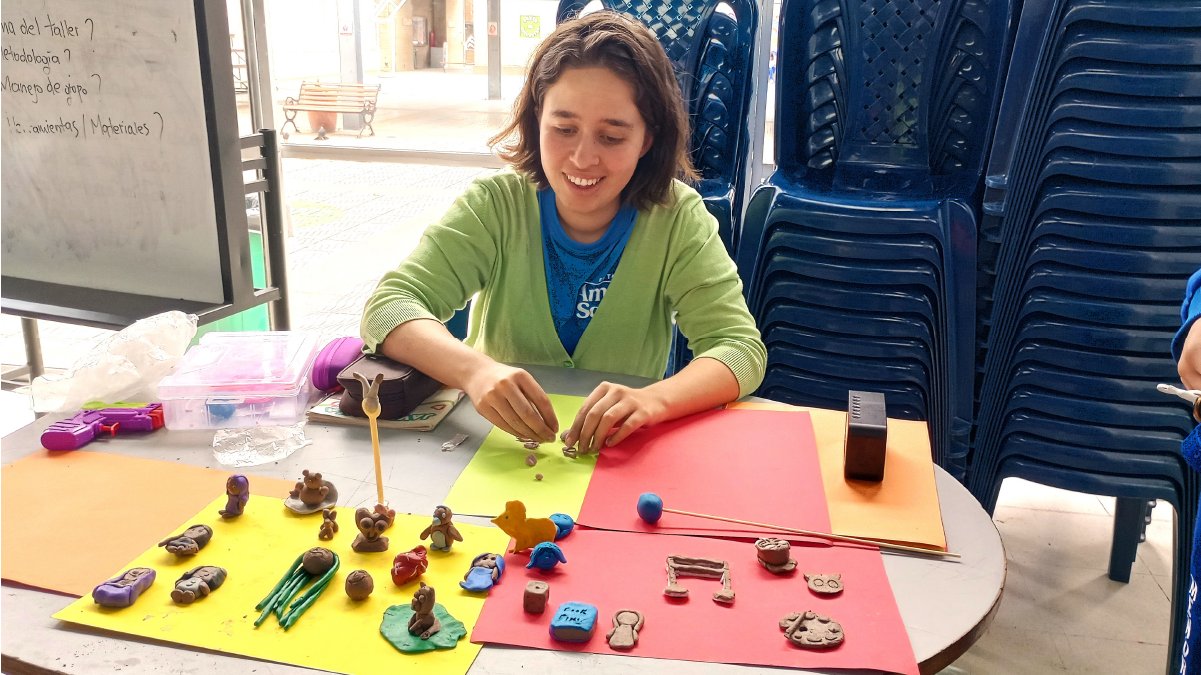
Since graduating with a degree in Psychology from the Facatativá campus in September 2020, Laura Camila Pulido Triana has channeled her passion for emotional well-being into a unique business that integrates psychological support with artistic methodologies. Her innovative approach has attracted numerous clients, mostly women between the ages of 23 and 30, who find in her in-person sessions in Bogotá a safe space to explore and heal their emotions.
In an interview with the UCundinamarca News Agency, Laura Camila shares details about her experience and how her education at the University of Cundinamarca has shaped her professional career.
UCundinamarca News Agency (ANUC): How has your training in Psychology influenced the development and success of your business that combines psychological support and artistic methodologies?
Laura Camila Pulido Triana (LCPT): My training in Psychology at the University of Cundinamarca has been fundamental in providing psychological support to women facing various emotional challenges. By incorporating artistic methodologies, I have facilitated the exploration of images, metaphors, and symbols, enabling participants to recognize, understand, and communicate emotions that are often difficult to process. These tools not only help manage stress and anxiety but also promote a significant transformation in their mental and emotional well-being. Thus, the support becomes a creative and enriching process in their lives.
UCundinamarca News Agency (ANUC): How has the Transmodern Digital Educational Model (MEDIT) influenced your work as a psychology professional?
Laura Camila Pulido Triana (LCPT): This educational model has allowed me to develop my work in both in-person and virtual environments. Although virtual learning presents challenges, these have become great opportunities. Thanks to this, we have managed to attract a diverse audience to our workshops, which are aimed at the general public, including children, parents, caregivers, young people, adults, and seniors. We use social media as our primary platform for registrations, which has allowed us to connect with a wide range of participants. I feel that we are maximizing the potential of the digital world, which represents a great opportunity for this market and for those we consider essential to our workshops.
UCundinamarca News Agency (ANUC): What specific objectives do art therapy workshops have in relation to the emotions of the participants?
Laura Camila Pulido Triana (LCPT): It is important to highlight that this work was carried out in collaboration with Hanna Carolina Alférez Gil, a student of Psychology and Early Childhood Education at Javeriana University. Hanna is a colleague with whom I have developed a close working relationship. Her expertise has been extraordinarily useful in the creation of our program and workshops, which focus on emotions through art therapy.
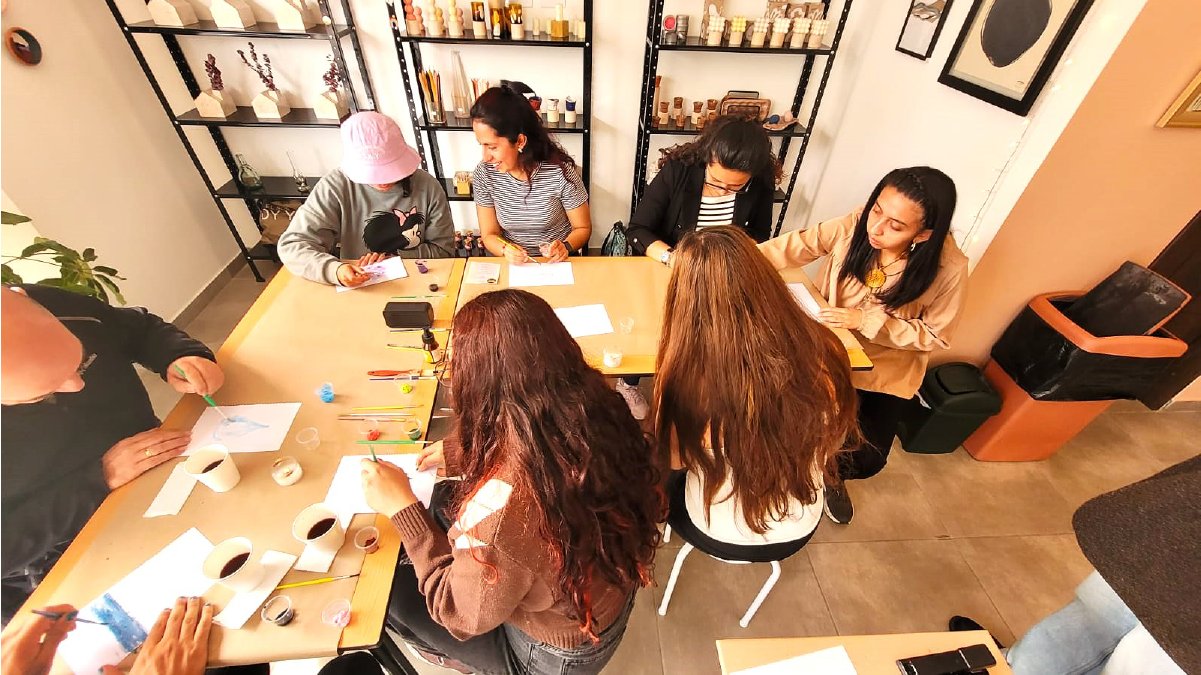
Our approach is based on experiential education and practical therapies, facilitating the recognition, understanding, and expression of emotions, as well as the development of skills for managing them. This approach also fosters authentic connections that contribute to the personal growth of participants, and we have established a community characterized by deep camaraderie among its members.
UCundinamarca News Agency (ANUC): How has the collaboration with a Psychology student from the University of Cundinamarca impacted the growth and dissemination of art therapy workshops in entrepreneurship?
Laura Camila Pulido Triana (LCPT): Through our outreach efforts, we have shared information about our workshop program at the University of Cundinamarca. Many students have contacted us through social media to learn more about our training offerings. We understand that we need approval from the Ministry of Education; therefore, upon graduating from the Colombian Association of Therapists, we will submit our proposal to the University of Cundinamarca for inclusion in their continuing education program.
UCundinamarca News Agency (ANUC): What are the next steps your team plans to take in their training and professionalization in art therapy through the Colombian Association of Art Therapists in 2025?
Laura Camila Pulido Triana (LCPT): I believe this deeper exploration will provide us with valuable tools for adopting a sensitive, ethical, and holistic therapeutic approach, both individually and in groups. By delving into this field, we will be able to design more programs, including one focused on building certainty in couple relationships. I am convinced that, through this training, I will be able to establish stronger connections and greater rapport, which will undoubtedly increase the demand for our services.
Currently, the team is training virtually in Art Therapy, with plans to delve deeper into this discipline in a more formal way next year, 2025, at the Colombian Association of Art Therapists.
The combination of art therapy and experiential workshops stands out as an innovative proposal in the field of mental health, offering a fresh and effective approach to emotional well-being.
News
News
News
News