Fusagasugá Branch
2026-09-24
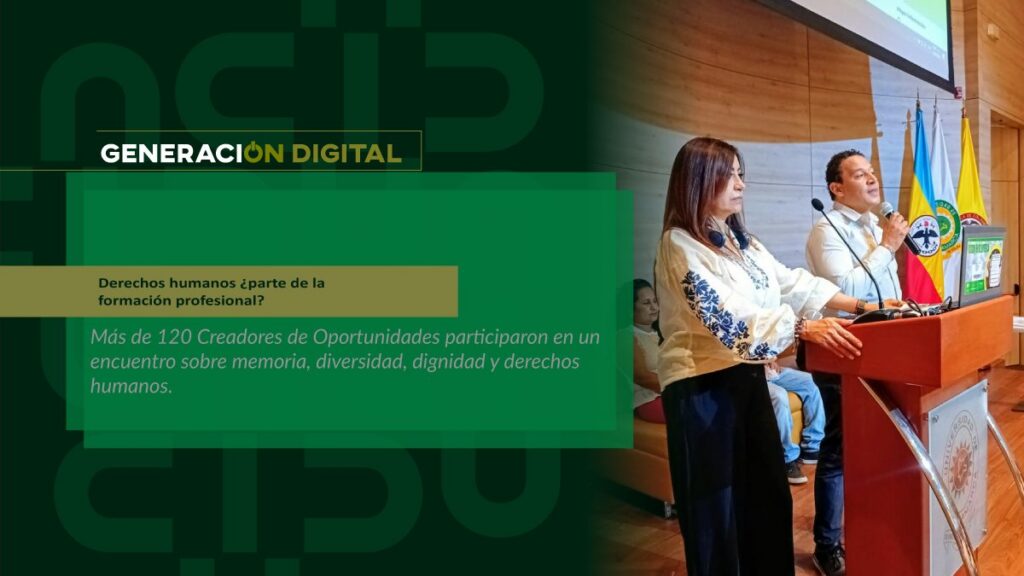
Human rights: part of professional training?
By: Alejandro García Suárez – Advisory Office of Communications



I am your virtual assistant, here to help you quickly and easily.
▲ Back to Top
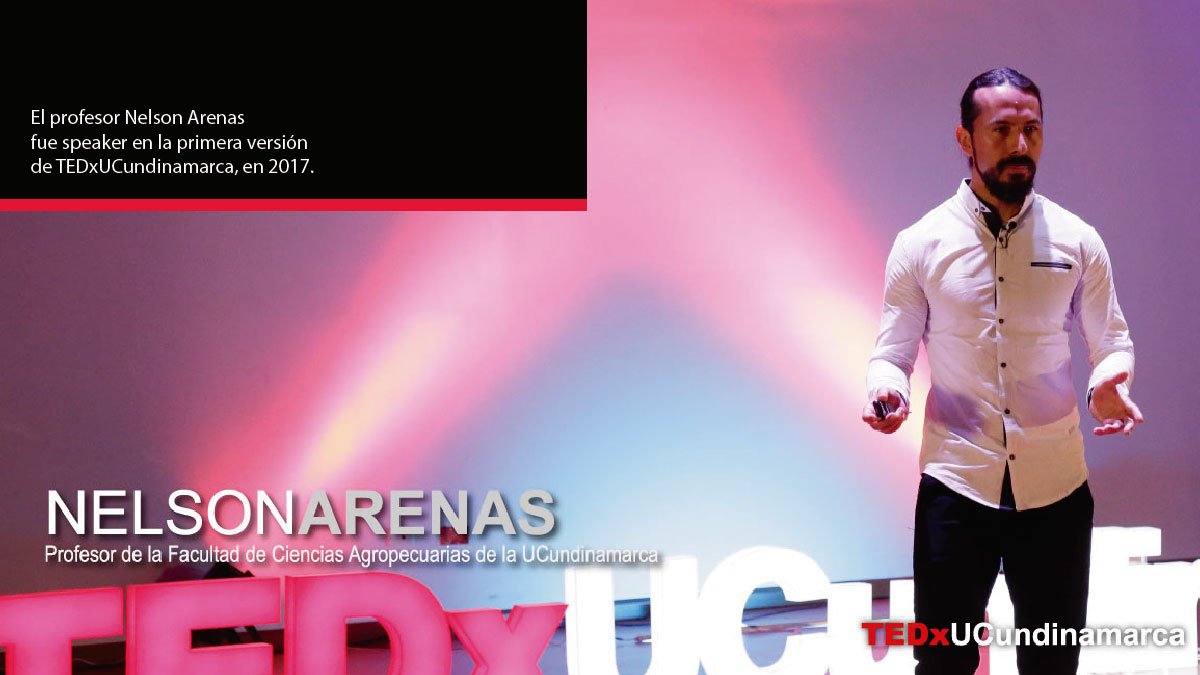
Nelson Arenas, a research professor in the Animal Science program of the Faculty of Agricultural Sciences, and a PhD in Biochemistry and Molecular Biology from the University of Southern Denmark, participated along with 15 experts from the Colombian CTeI system in the workshop: “Cyber Infrastructure Colombia 2018, a participatory vision for a Scientific Cyber Infrastructure in Colombia.”.
The workshop, organized by the Administrative Department of Science, Technology and Innovation (Colciencias) and the Earlham Institute of the United Kingdom, selected participating experts from Ohio State University (USA), University of the Andes, EAFIT University, Earlham Institute, Jorge Tadeo Lozano University, Humboldt Institute, University of Antioquia, University of Cundinamarca, among other national and international researchers.
The experts attending the workshop aimed to design strategies to promote a scientific and technological Cyberinfrastructure in Colombia, biological and genomic data analysis, as well as the promotion of specific skills in the actors of the country's CTel system.
Nelson Arenas, a junior research professor (Colciencias), applied to the call and was selected to participate in the Cyberinfrastructure workshop, due to his experience and knowledge in projects in collaborative environments in multidisciplinary areas and communication skills.
“I applied as iJunior Researcher at Colciencias to support potential contributions from the agricultural sciences to the construction of a cyber infrastructure for Colombia. Among the criteria expected to be addressed in the future is the generation and analysis of large amounts of biological or genomic data., Arenas pointed out.
Among their contributions to the academic event, topics such as the risks, priorities and opportunities for a scientific Cyber Infrastructure in Colombia stand out; the needs and opportunities for training in the form of courses, workshops, events, consortia, investments, among others.
Among the contributions of this activity, Colombian biodiversity stands out, an environmental strength that could make the country the second most megadiverse nation in the world and boost its bioeconomy through the big data revolution.
You might be interested in reading: The Data Revolution to Grow the Colombian Bioeconomy
A Scientific Cyberinfrastructure is a "technological and sociological" ecosystem within the scientific field that facilitates data services, particularly its generation, storage, management, analysis, and visualization. Based on its fundamental principles, the Scientific Cyberinfrastructure is designed to facilitate remote collaboration and virtual organizations (text taken from the call for proposals).
News
News
News
News