Fusagasugá Branch
2026-09-24
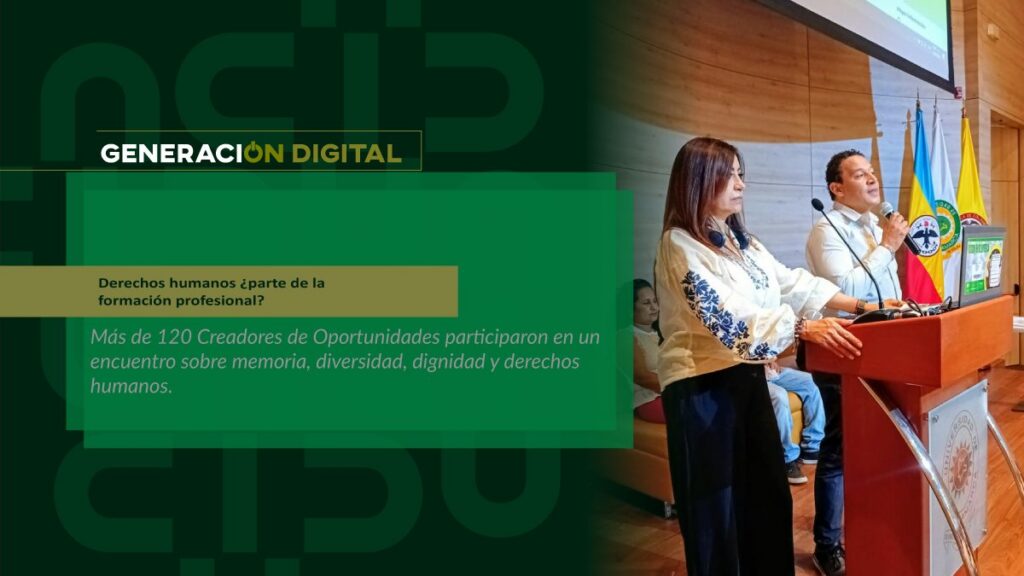
Human rights: part of professional training?
By: Alejandro García Suárez – Advisory Office of Communications


I am your virtual assistant, here to help you quickly and easily.
▲ Back to Top
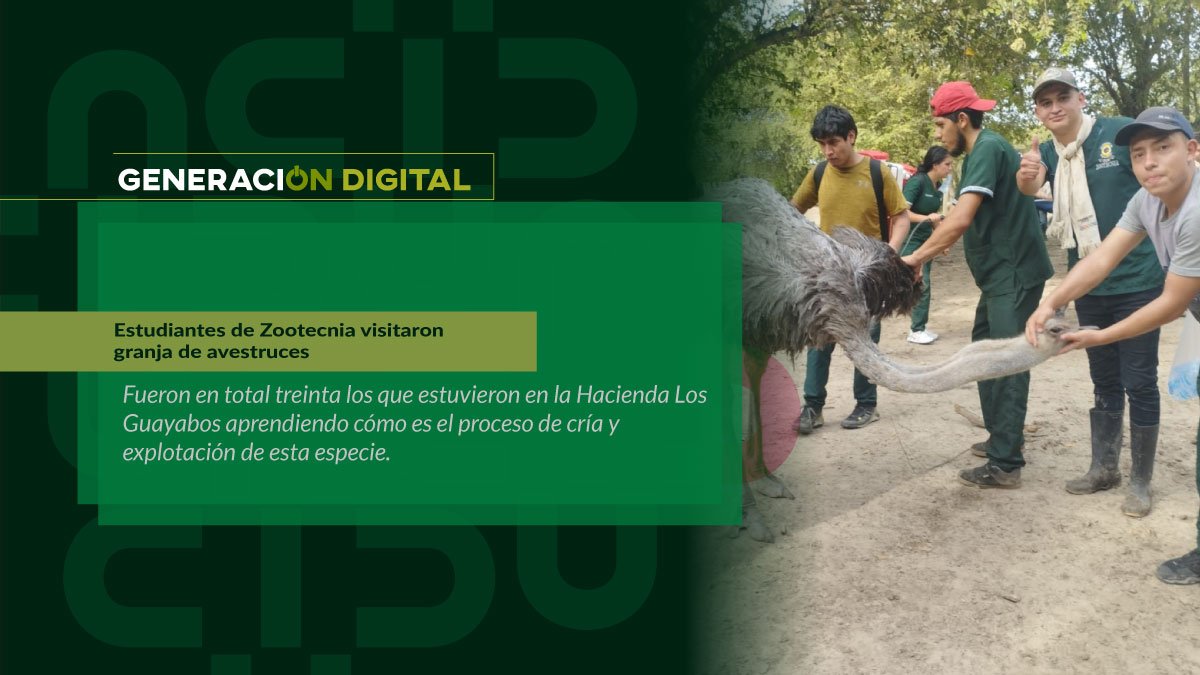
The students from the Fusagasugá campus traveled to Coyaima, Tolima, on April 11th as part of the CAI (Academic and Research Group) on Poultry Production Systems. This educational program aims to ensure that the classroom is not the only source of learning; it also incorporates real-world experiences like nature, which, when combined with other elements, foster learning, resulting in improved and transformative outcomes, as was the case here. “When we arrived, the manager of the Tolima Livestock Fund gave us a presentation on the use of ostriches.
The students were surprised, as they were unaware of this wildlife management system, especially from a poultry perspective where almost every part of the animal is used; for example, feathers are used for decoration, bones for calcium, and incubating eggs that give rise to chicks are examples of this,” says John Mario López, a zootechnics teacher who accompanied this experience.
There, they had the opportunity to handle ostriches as part of their learning process. “There were 126 animals, which they treated with health measures such as deworming, administering vitamins, and supervising the incubation of the future chicks. Throughout all of this, we were accompanied by veterinarian Camila Urrea, who led the activity.”.
For this experienced teacher, this activity is of great value, as it transcended the simple model of being transmitters of knowledge and information, as stated in the Transmodern Digital Educational Model, and moved towards an education for being. “What they experienced was key, because they were able to dialogue with experts and take action, live experiences, and solve real-world problems, as MEDIT describes.”.
But this interesting academic visit doesn't end there. "Thanks to this trip, they were able to see that laying hens aren't the only productive project; there are others like this one that are also productive.".
For eighth-semester student Cristian Santiago Muñoz, this internship provided valuable learning experiences. “I really enjoyed learning about the animal's health management, nutrition, and the business model where every part of the animal is utilized. I also appreciated the marketing mechanisms in which the Tolima Livestock Fund participates. They process this meat, mixing it with beef to make hamburgers.”.
Handling these skittish animals isn't easy, and they felt it firsthand. "It's a bit scary, since it's a very large animal with enormous claws. The strange thing is that when it runs, it knocks over anyone in its path, so we control it with jets of water to prevent it from crashing into the fences; that's why you have to be very careful!".
When asked if she would like to work on an ostrich farm, she answers categorically. “Yes, of course, and I already have the basic knowledge of how to manage an ostrich on a farm.”.
Meanwhile, for his colleague Gerson Ovalle, this visit to the farm was enriching. “I found it to be a unique experience. We were able to learn about a bird we had never seen at any of the breeding facilities we've visited. Personally, I was able to further solidify my understanding of teamwork when it comes to animal handling.”.
In this way, UCundinamarca contributes from know-how to the training of comprehensive professionals, which is what the competitive world of work now demands.
News
News
News
News