News
2026-09-24
Human rights: part of professional training?
By: Alejandro García Suárez – Advisory Office of Communications



I am your virtual assistant, here to help you quickly and easily.
▲ Back to Top
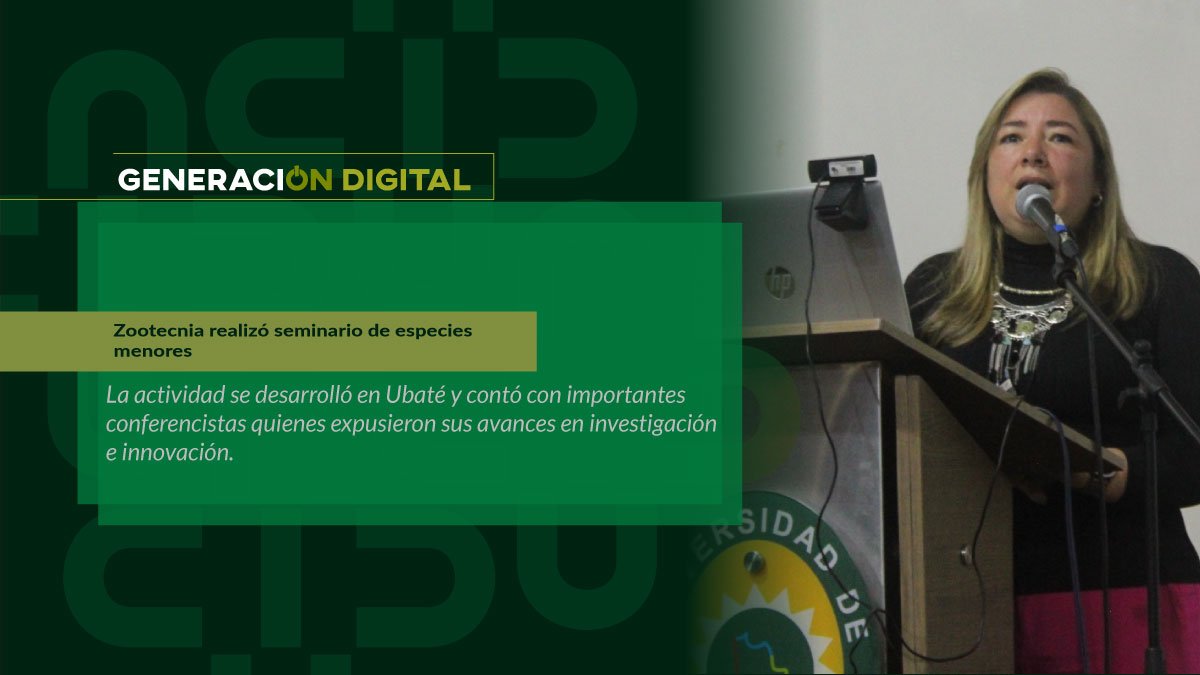
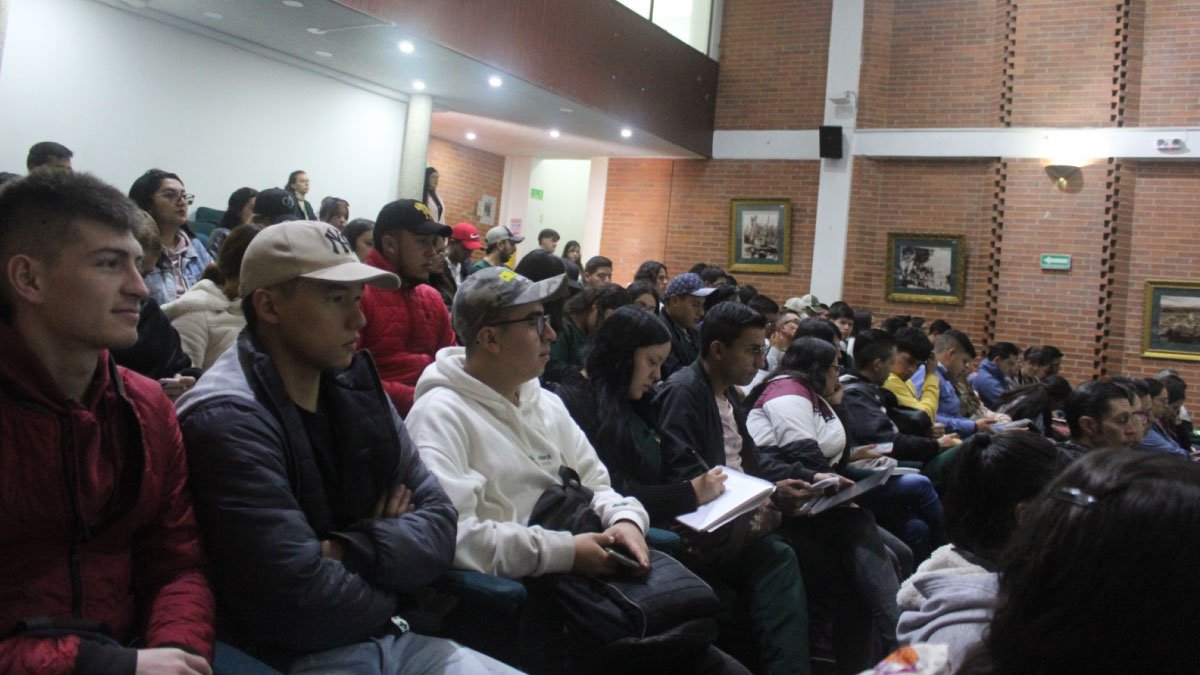
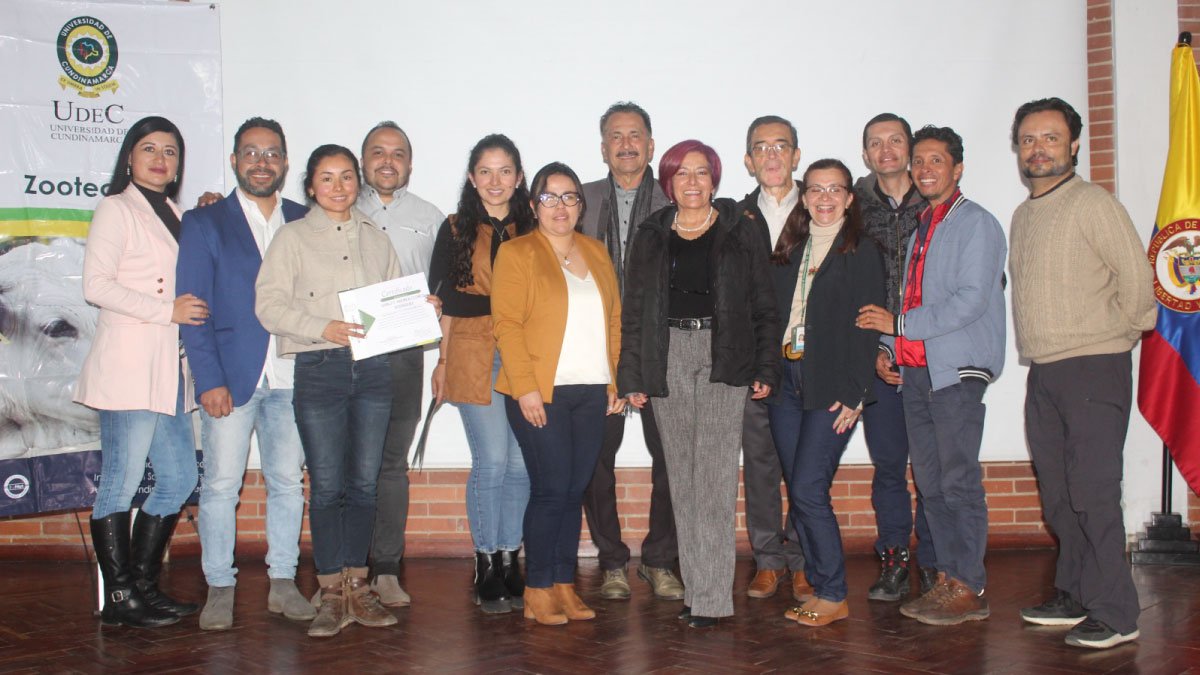
The event, entitled the Second International Seminar on Minor Species: Advances in Biotechnology, took place in the Alberto Urdaneta Forero Auditorium on May 9th. The opening remarks were delivered by Dr. Johanna Gil, the campus director, who emphasized the importance of this type of academic activity.
The agenda began around 8:00 am with a presentation by UCundinamarca professor José Fernando Pérez, who spoke about the antioxidant effect of the ethanolic extract of propolis on the quality of ovine semen.
Next, Dr. Henry Alberto Grajales, a veterinary scientist from the National University, spoke about population structure and performance indicators in sheep production systems in Colombia. “The population characteristics and performance indicators, such as age at first estrus, age at first lambing, and birth weight of lambs, are low compared to other countries,” he commented.
Also participating were researchers Jaime Andrés Cubides Cárdenas and his presentation on the comprehensive and sustainable management of gastrointestinal parasitism; Eliana Neira Rivera, who presented on the topic of electrophoretic profiles of seminal plasma proteins and sperm quality in sheep; Clara González Marín, who spoke on the current state of sexed semen in sheep and goats; and Shirley Andrea Flórez Rodríguez, who addressed the topic of methods for separating X and Y sperm.
For Janet Camargo, the animal husbandry coordinator and professor, this event was extremely important as it showcased the country's potential in the sheep sector and the progress made in its scientific study. "There is a small production level that we must increase, given the possibility of exporting sheep meat to France, England, Italy, and China. China is not self-sufficient, so there is a tremendous opportunity to revitalize that sector and boost exports.".
She also highlighted that the event served to emphasize the issue of food security and the benefits of sheep farming. “It’s a species with low forage consumption and high meat production, making it a good nutritional option for a family. Likewise, it’s ideal as a development project for rural women, since it doesn’t require as much effort to manage as cows or bulls. Another important point is that in a space where there’s only one bovine animal—a cow or a bull—you can have five sheep.”.
For sixth-semester student Edwin Alexander López, this event provided valuable lessons. “It was a key contribution to my knowledge, as it opened my eyes to the possibility of starting a business in this area, because sheep take up less space than cows, which can be more profitable for a producer.”.
The event concluded with a visit to El Tíbar Farm, where several attendees were able to see the Hampshire breed. “There they were able to see these animals imported from Chile, and that very day there was a female in labor.”.
News
News
News
News