News
2026-09-24
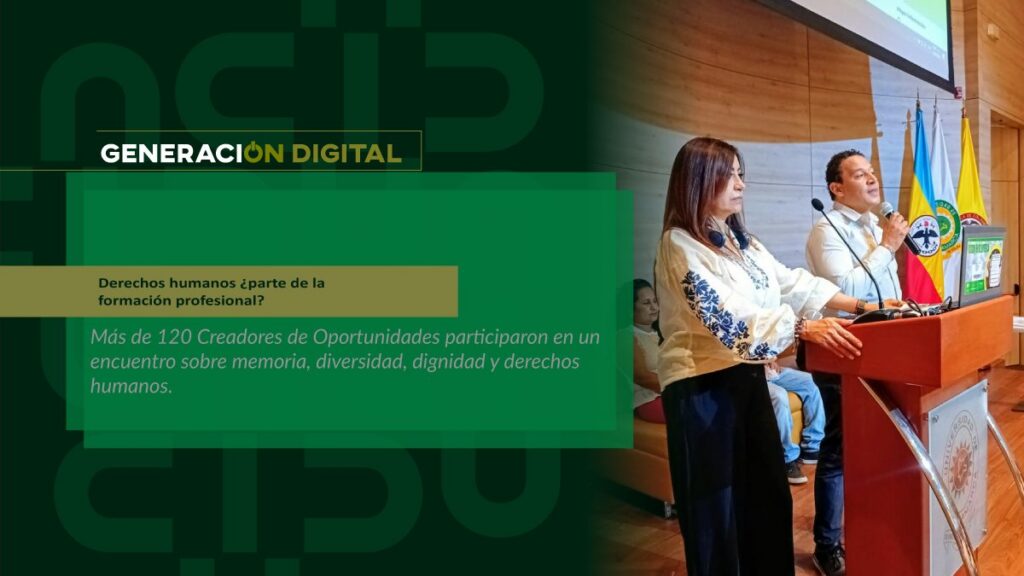
Human rights: part of professional training?
By: Alejandro García Suárez – Advisory Office of Communications



I am your virtual assistant, here to help you quickly and easily.
▲ Back to Top
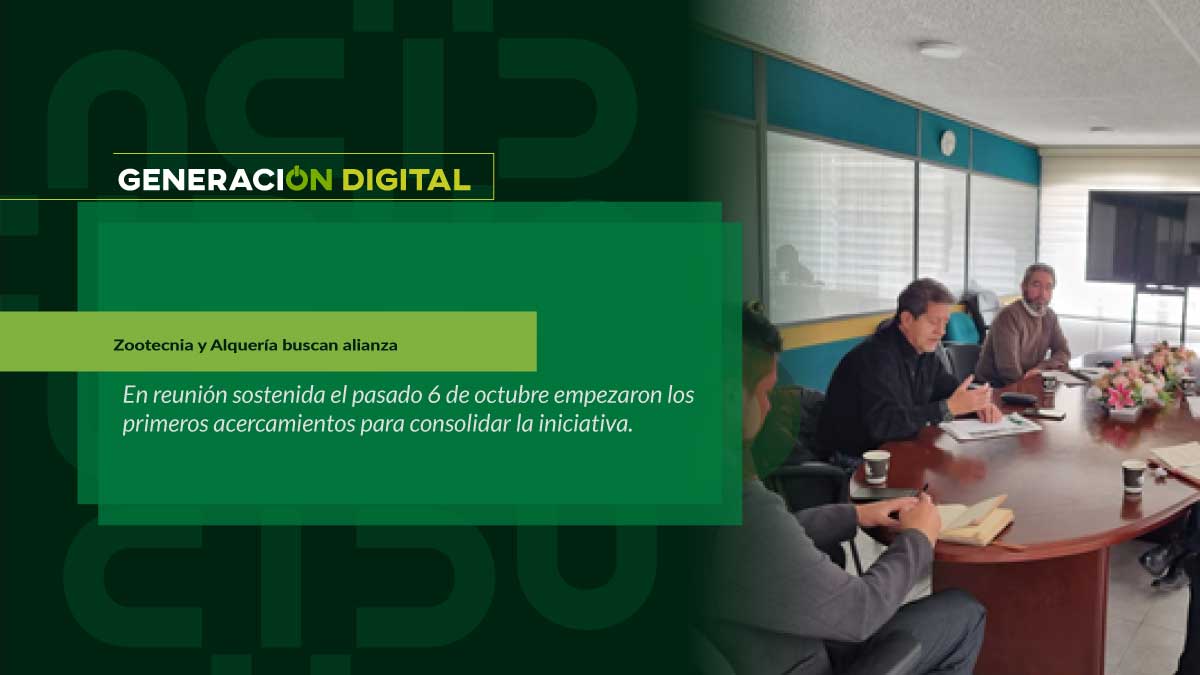
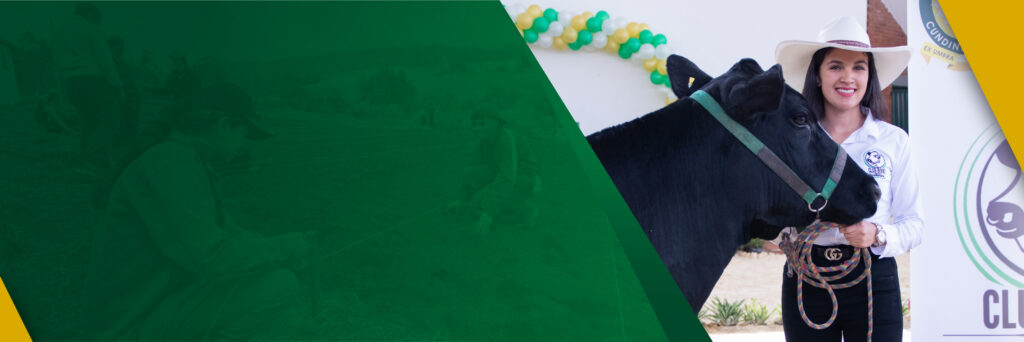
According to Luis Eduardo Sánchez Sarrazola, coordinator of the Animal Science program, who attended on behalf of the University of Cundinamarca, “we want to develop a project that will serve more than 400 small and medium-sized dairy farmers. We want to provide them with guidance on the conservation of strategic ecosystems through the implementation of zero-deforestation agreements and the prohibition of converting páramos (high-altitude Andean ecosystems) into cattle farms, as well as plans for the establishment, renewal, and management of pastures. This is key to achieving success in livestock farming, both in forage and animal production, and in profitability.”.
But the background of this future alliance doesn't end there, as it also has an environmental objective that aligns with the UN Sustainable Development Goals. "With the consolidation of these approaches, we also hope to promote the reduction of greenhouse gas emissions and the increase in productivity through the implementation of sustainable livestock farming models as a fundamental pillar in climate change mitigation and adaptation, according to the specific needs of each region.".
He also commented that if this agreement, which aligns with a social outreach policy, were to materialize, it would generate valuable synergies that would be a win-win situation for everyone. “This would facilitate an interesting collaboration between faculty, students, and graduates of the program, enabling us to make an impact through mentorship and technical assistance, fostering transformative processes on the farms of producers affiliated with the Alquería company in this region of Cundinamarca.”.
In essence, the final message we wish to convey is that our Transmodern Digital Educational Model (MEDIT) allows, through translocality, the appropriation of knowledge in a technical, social, and economic way, and that we are focused on communities, to engage in dialogue with them and solve their problems together, in order to improve the living conditions of the people in our regions.”.
For Andrés Calderón, livestock services coordinator at Alquería, who attended the meeting representing this major industrial conglomerate, the opportunity to work as a team is crucial. “The involvement of academia could benefit the production chain, as the university would have a platform to apply agricultural sciences, since there is sometimes a gap between these and what is taught. Another advantage would be bringing science and technology from regional universities to the company, which would be fundamental to generating impact.”.
He also emphasized the company's social responsibility. "Contributing through a potential partnership between the two parties to improve the living conditions of dairy farmers is fundamental for us.".
With this search for possible partnerships, the university reaffirms its Mission, which speaks of being a democratic, autonomous, educational, and transmodern social knowledge organization for the benefit of a society that seeks to improve its living conditions.
News
News
News
News