Fusagasugá Branch
2026-09-24
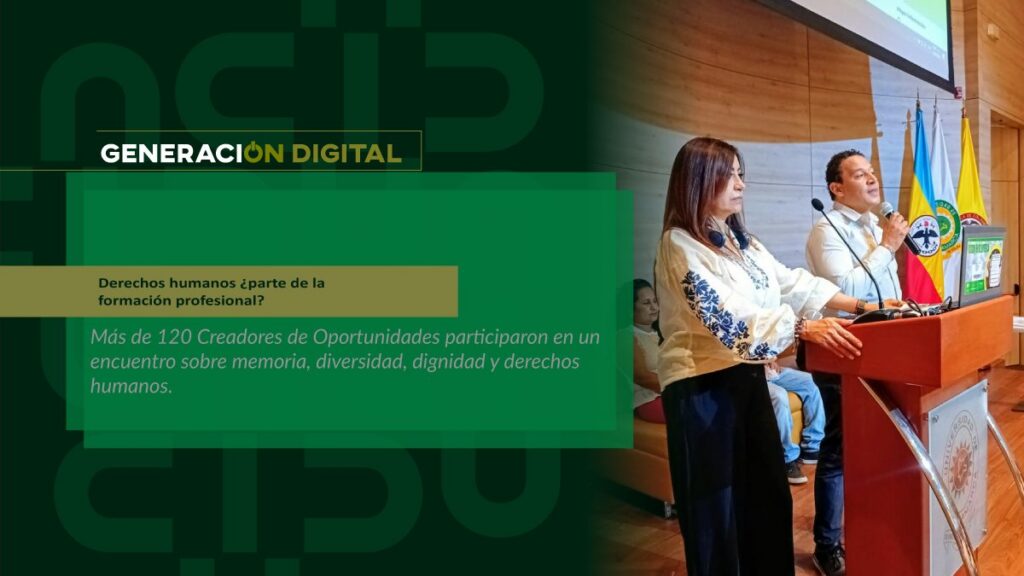
Human rights: part of professional training?
By: Alejandro García Suárez – Advisory Office of Communications



I am your virtual assistant, here to help you quickly and easily.
▲ Back to Top
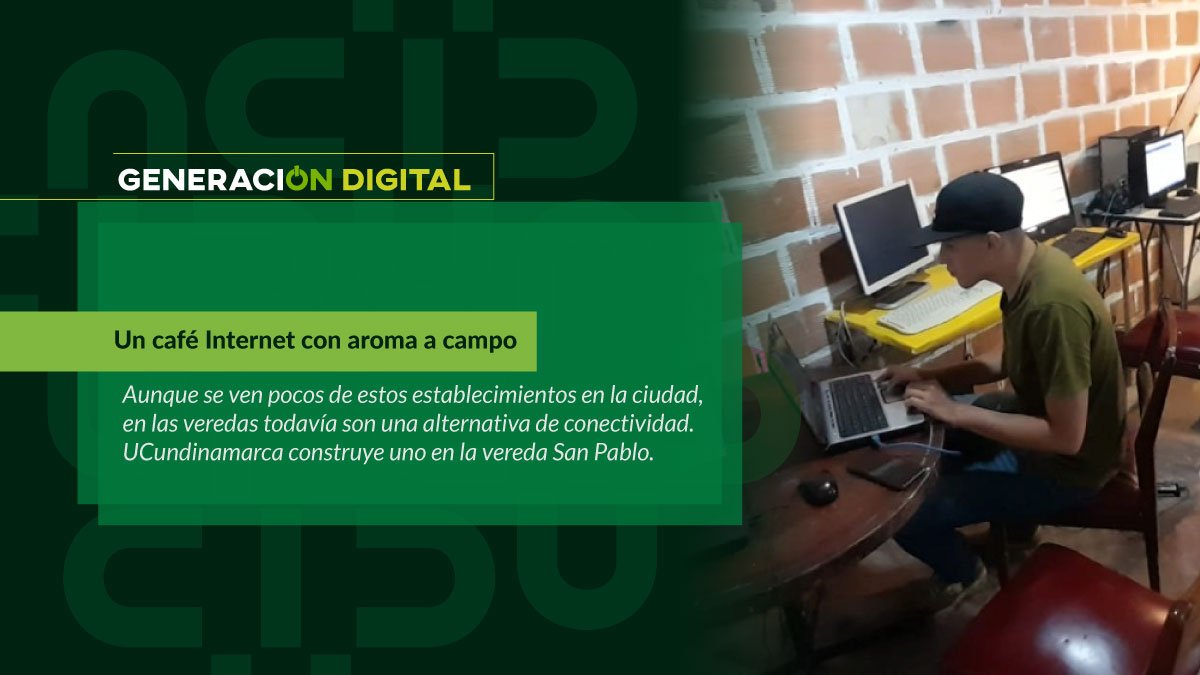
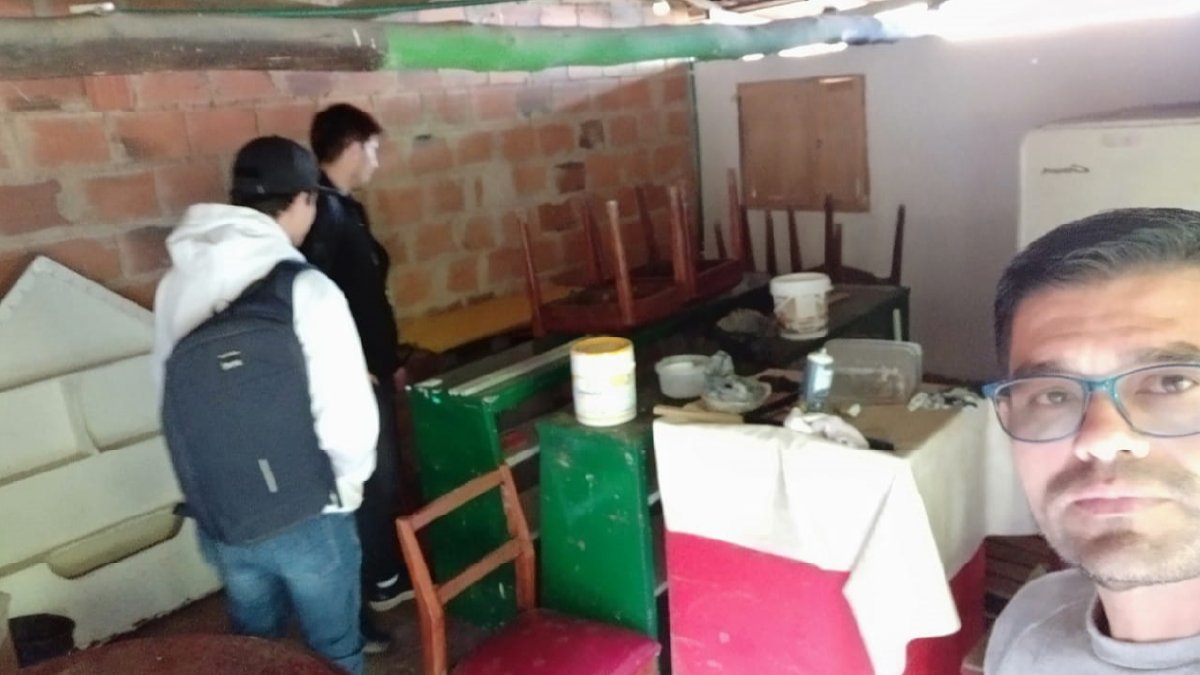
Wilson Gordillo is a professor of Systems and Computer Engineering at our University. He also leads the networking and telecommunications track of the program and directs the CADI (Center for Advanced Digital Innovation) for data communication. In addition, he heads the Red Fusa Libre research group, which has spearheaded initiatives that have raised the institution's profile, such as subsidizing internet access for the San Pablo community in Cundinamarca.
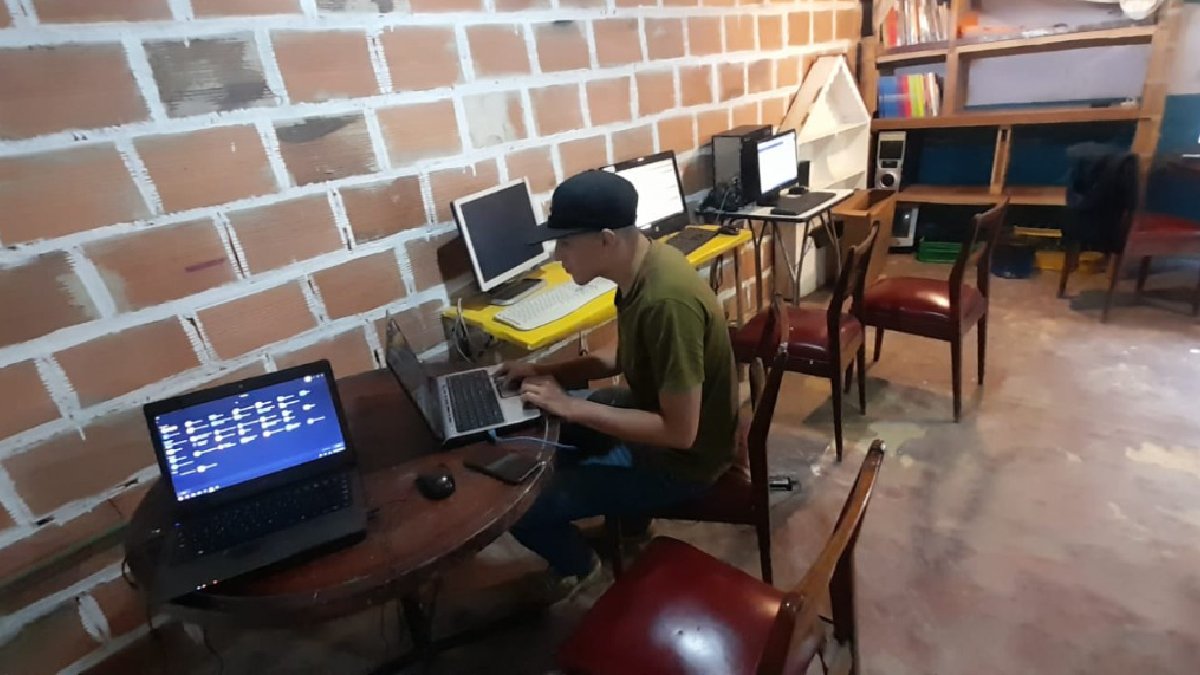
This project, in particular, has experienced a resurgence as soon as in-person activities resumed, especially since the residents of the rural community became interested in seeking support to build an internet café that would not only provide internet access but also equipment. The idea doesn't seem extraordinary, especially considering that these establishments have been disappearing in cities, but in rural areas they offer a connectivity service that has yet to reach the region. For this reason, the UCundinamarca news agency spoke with Professor Gordillo, who, along with his students, is behind the initiative.
UCundinamarca News: Where does this interest in working on an engineering project that benefits the community come from?
Wilson Gordillo: For the past nine years, I've asked my students to complete a social appropriation of technology project in their local area as their final semester project. They voluntarily choose a rural community or municipality with which they have a connection, so that the project they'll be working on is more relevant to them. During these discussions, I found a group of students—Juan Andrés Cruz, Gabriela Alejandra Rodríguez, Angie Noreña, Anyel Vargas, Daniel Mora, Joan Daniel Acevedo, Luis Guillermo Villalba, and Stephan Suarez Pérez—who decided to support the construction of an internet café and its network in the rural community of San Pablo.
UCundinamarca News: Does that mean the initiative originated at the University for the municipality?
Wilson Gordillo: No, it's the residents of the rural community themselves who have felt empowered and have asked for our support in setting up the internet café. This empowerment stems from the fact that they have access to internet subsidized by the University of Cundinamarca (UCundinamarca), which has five Wi-Fi hotspots providing them with connectivity from their cell phones or mobile devices. This means that the rural area is also connected, whether for high school students looking for information for their homework online or for some residents who even work as Uber drivers. Connectivity, as you can see, is essential, and that's why they are seeking support in terms of systems and equipment.
UCundinamarca News: What has been UCundinamarca's contribution to consolidating this space?
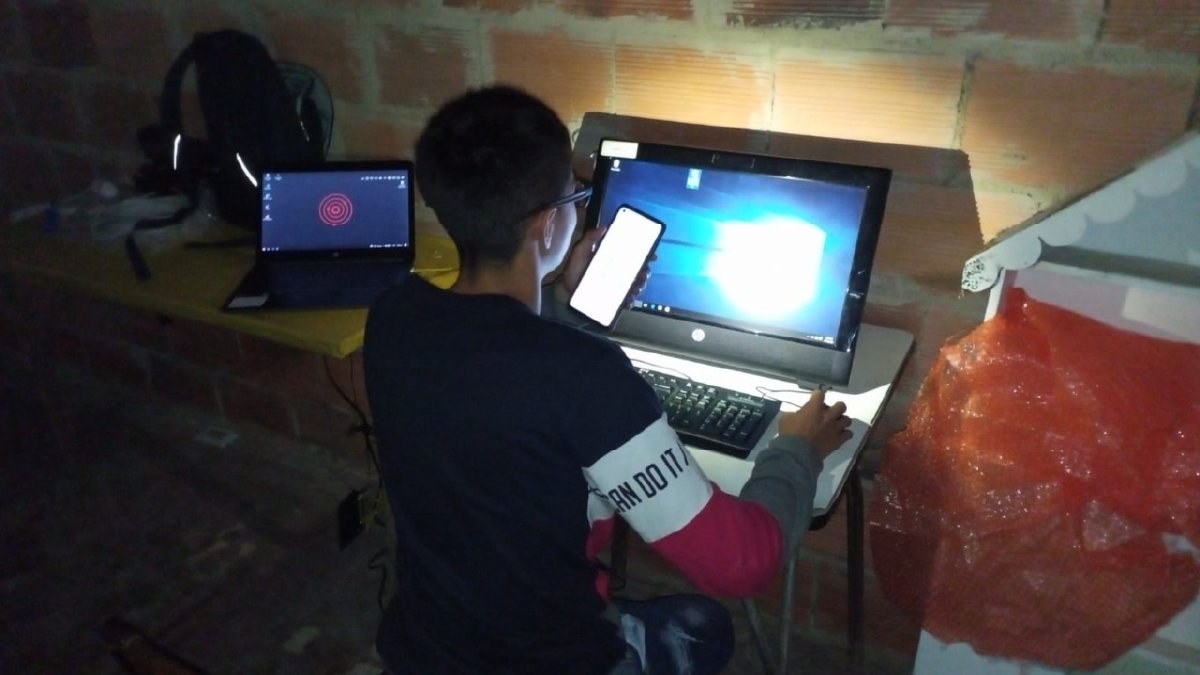
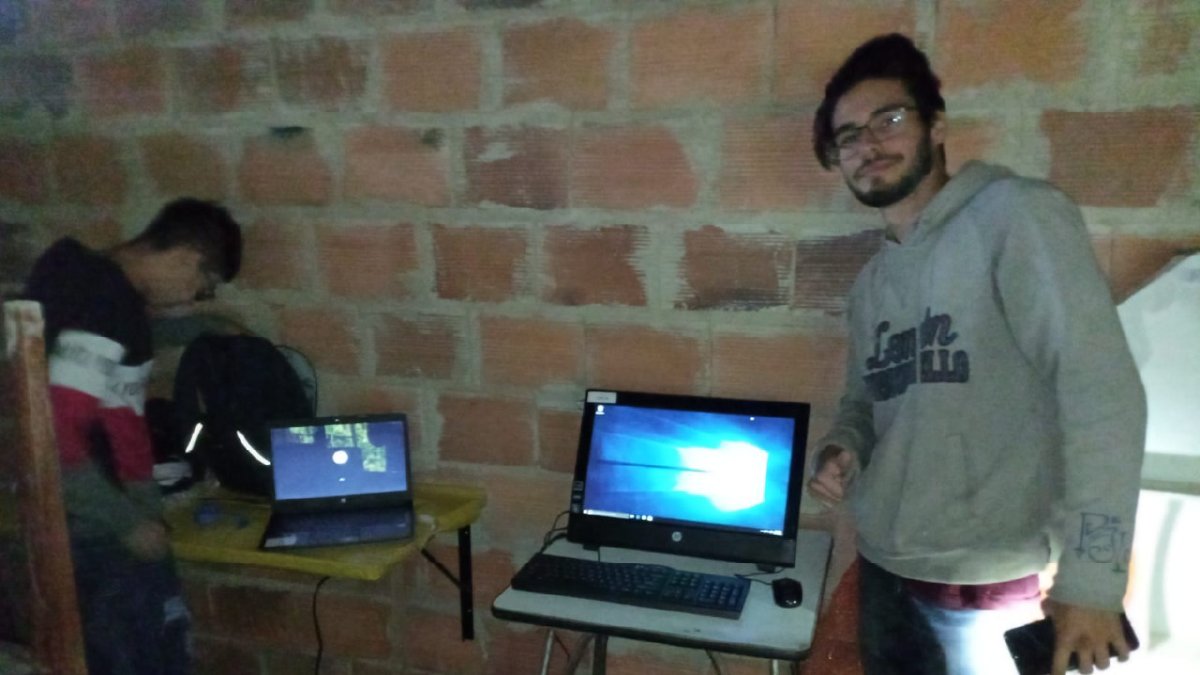
Wilson Gordillo: For now, we have managed to get five computers donated to us: two laptops, two all-in-one computers and one desktop computer, which are available to all the inhabitants of the village.
UCundinamarca News: What do students learn from this experience?
Wilson Gordillo: Well, first of all, it's not just about obtaining donated equipment. These kinds of projects offer students what I call a 'living laboratory,' meaning the opportunity to learn how to create, configure, design, implement, and build a local area network, the famous LAN. In other words, they learn about setting up network services, network addressing, routing, and other technical aspects. What's important to emphasize is that they do it with their own hands and with secondhand equipment, so they dispel the notion that engineers only work for private companies or are locked away in their labs, unable to propose initiatives for the community.
UCundinamarca News: The MEDIT, what elements of the model are we seeing in this initiative?
Wilson Gordillo: Translocality, because we bring university knowledge to the community and take it out of the classroom to give it a social purpose. Our idea with this project is that the residents of the San Pablo village no longer have to travel to the town to access the internet, but can do so closer to home and more easily.
News
News
News
News