News
2026-09-24
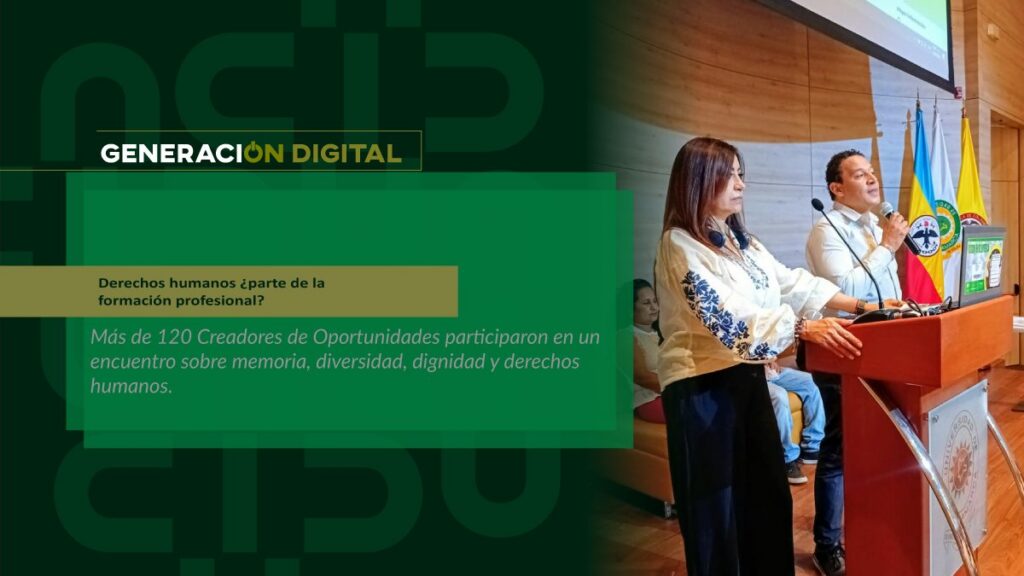
Human rights: part of professional training?
By: Alejandro García Suárez – Advisory Office of Communications


I am your virtual assistant, here to help you quickly and easily.
▲ Back to Top
By: Alejandro García Suárez – Advisory Office of Communications
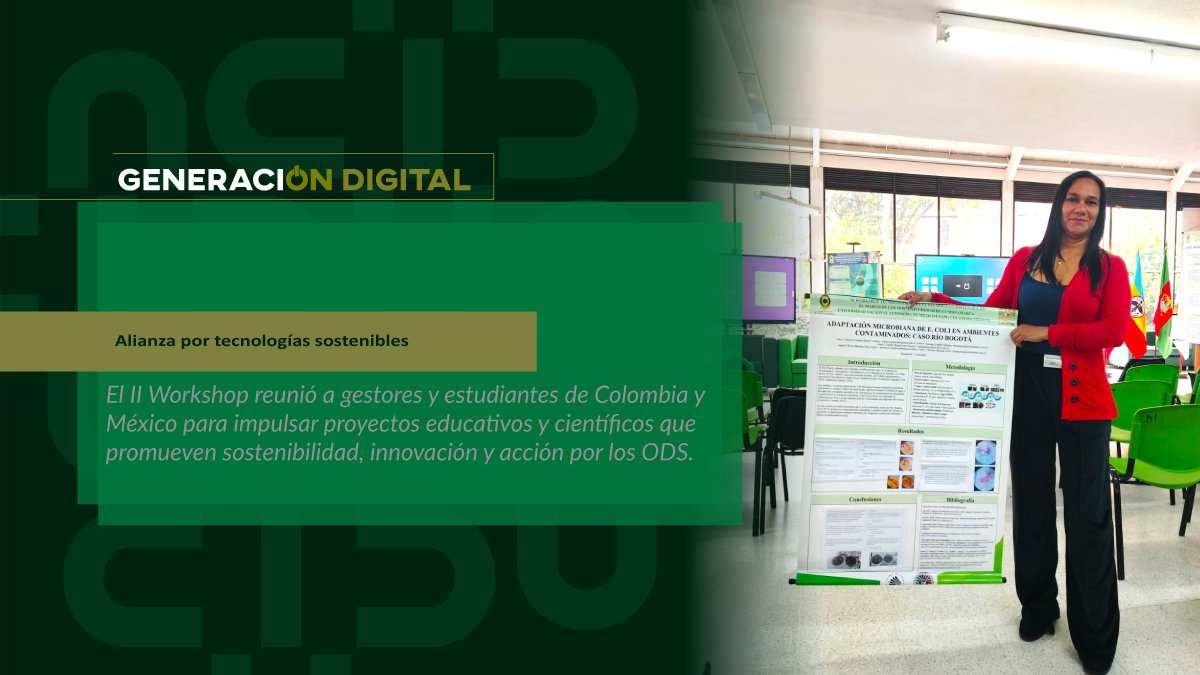
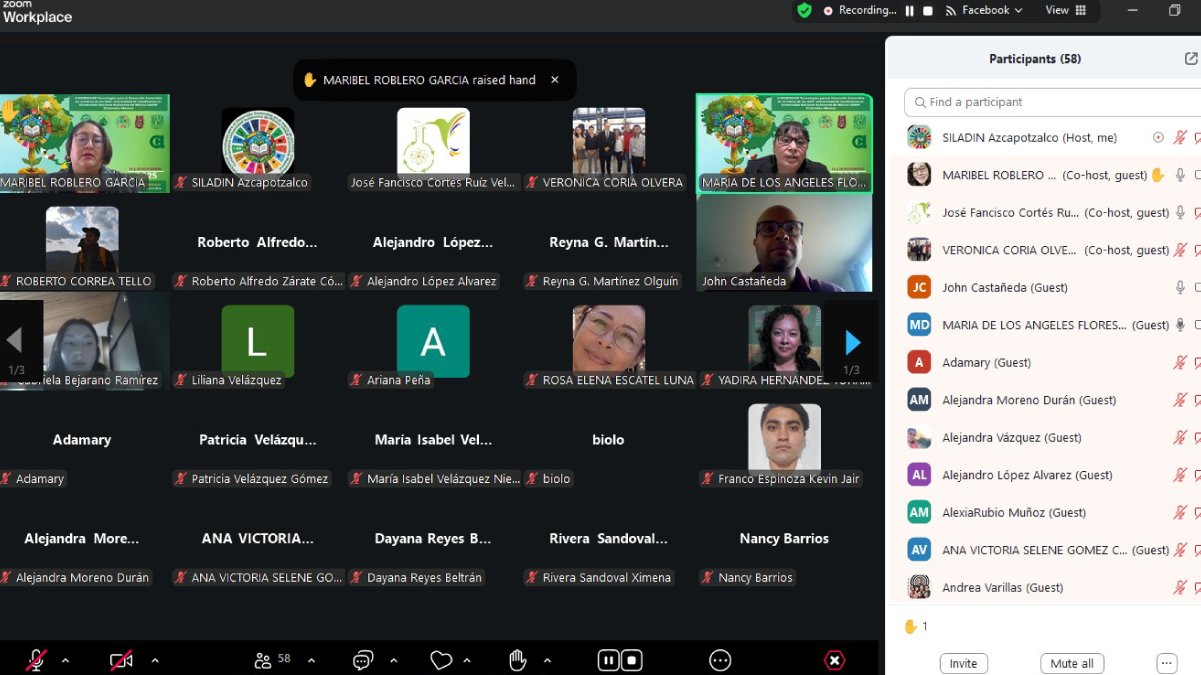
With the purpose of strengthening academic cooperation between Colombia and Mexico, the II Workshop “Technologies for Sustainable Development within the framework of the SDGs” was held, a space for the exchange of knowledge, experiences and new perspectives on the social, economic, political and cultural challenges of the region.
This initiative brought together knowledge managers, students and directors from the University of Cundinamarca and the National Autonomous University of Mexico (UNAM), with the aim of promoting educational models for life that promote agroecology, biotechnology and the circular economy as paths to advance towards sustainable and inclusive territories.
Genie Lorena Velásquez, Knowledge and Learning Manager for the Environmental Engineering program and leader of the event, explained that the workshop took place on November 24 and 25, promoting meaningful experiences that allow students to solve real-world problems at the disciplinary, personal, and social levels. “These initiatives, developed in the classroom, transform the people who create these realities, aligning education with the SDGs and strengthening active learning and community connection,” she stated.
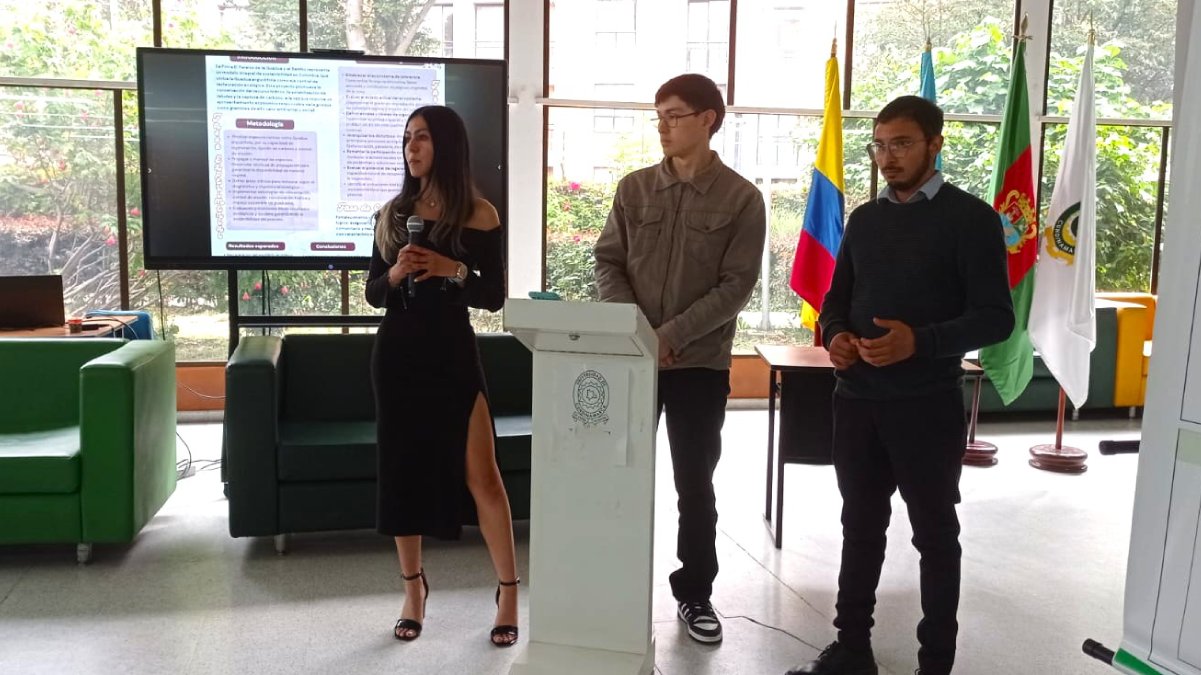
The projects presented reflected both institutions' commitment to sustainability and innovation. Among them were research on pectin extraction from citrus peels using ultrasound with a green chemistry approach; experiential learning in permaculture milpa farming; studies on antimicrobial defense with silver nanoparticles produced through sustainable synthesis; experimental production of vermicompost from activated sludge in trout farms; the integration of Education for Sustainable Development into composting processes using coffee cherries; and the XIE MYÏASÁ – Water from the Sky proposal, focused on water resource management from environmental and cultural perspectives.
The workshop addressed key issues for regional development, such as education for sustainability and social foresight; innovations aimed at improving productivity and efficiency in the agricultural sector, especially regarding soil and food security; and the use of new technologies applied to water resource management, with an emphasis on water security and materials. These lines of discussion allowed for connecting local needs with high-impact research advances.
The meeting also reaffirmed the alignment of these initiatives with the Transmodern Digital Educational Model (MEDIT) of the University of Cundinamarca. This model promotes active learning, interdisciplinarity, formative research, and direct engagement with communities.
The integration of MEDIT with binational projects such as this Workshop strengthens the training of citizens capable of responding to global challenges and transforming their territories from a sustainable, ethical and innovative perspective.
News
News
News
News