News
2026-09-24
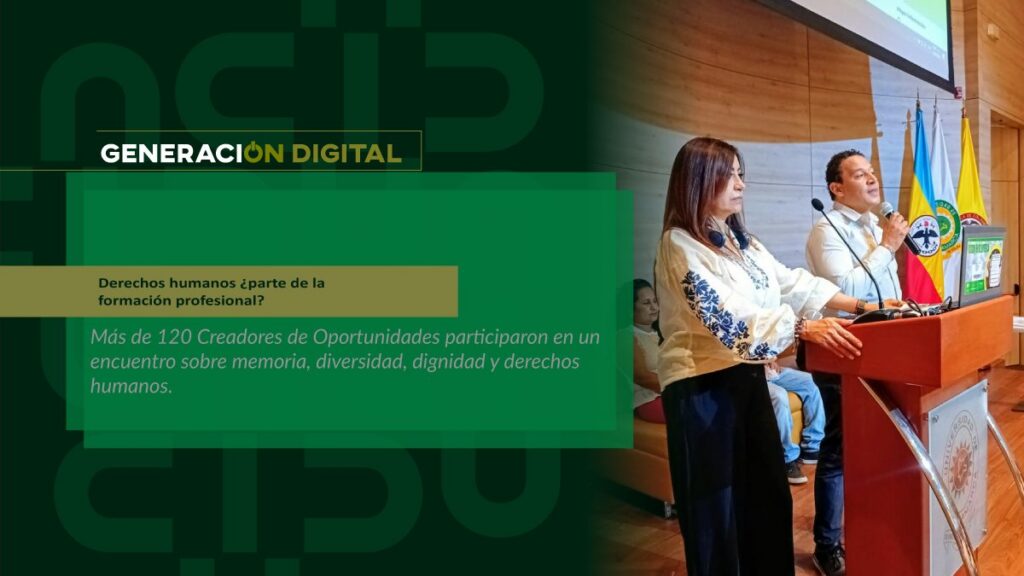
Human rights: part of professional training?
By: Alejandro García Suárez – Advisory Office of Communications


I am your virtual assistant, here to help you quickly and easily.
▲ Back to Top
By: Alejandro García Suárez – Advisory Office of Communications
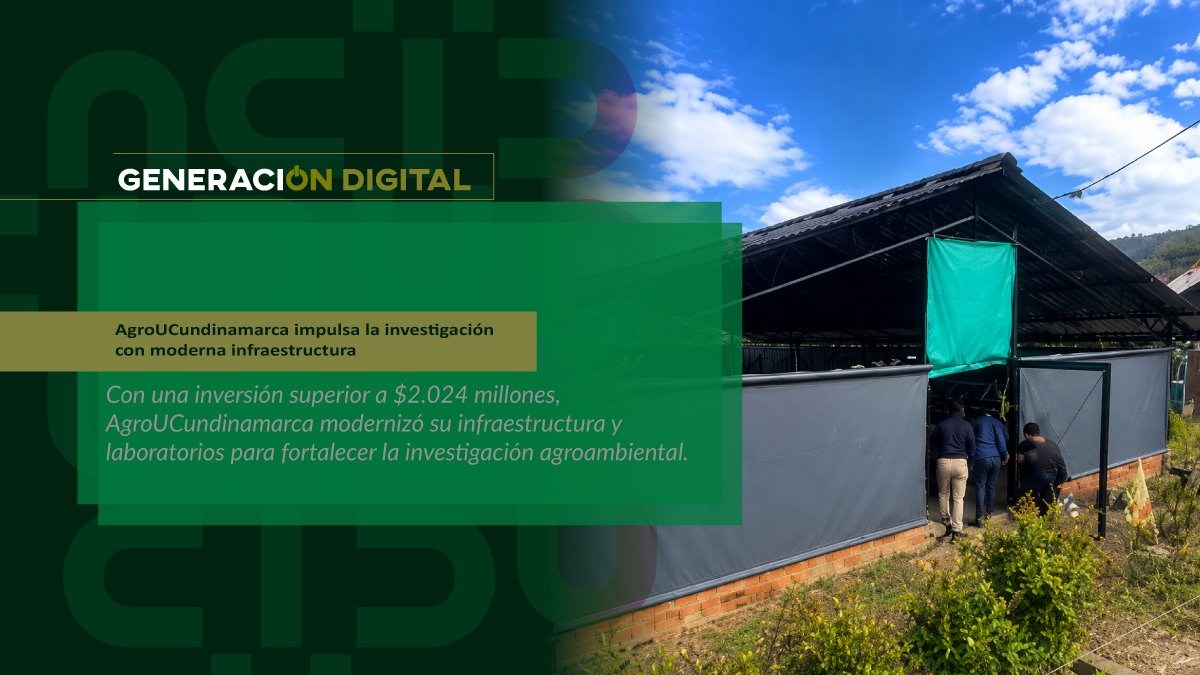
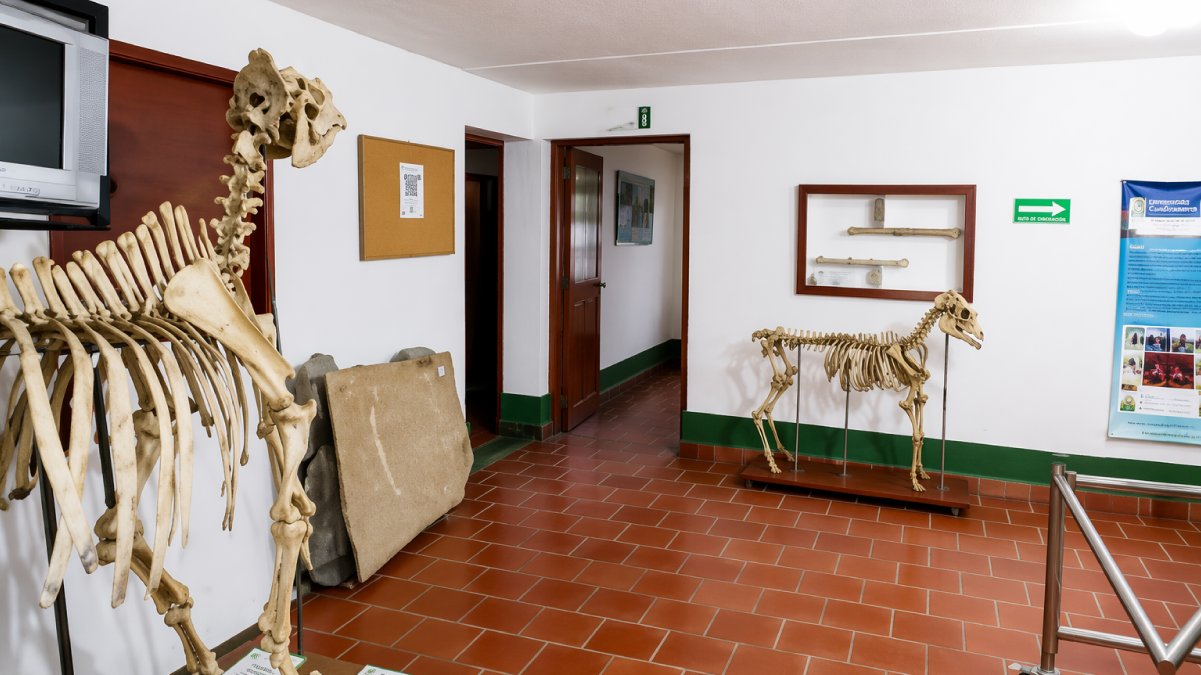
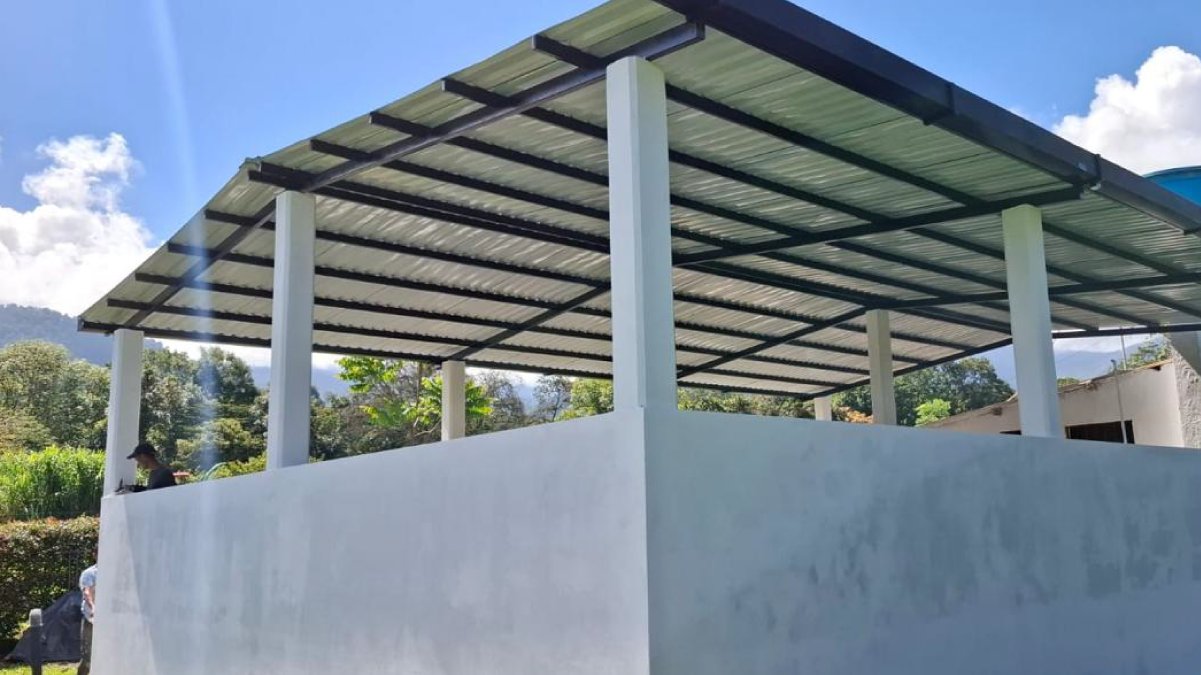
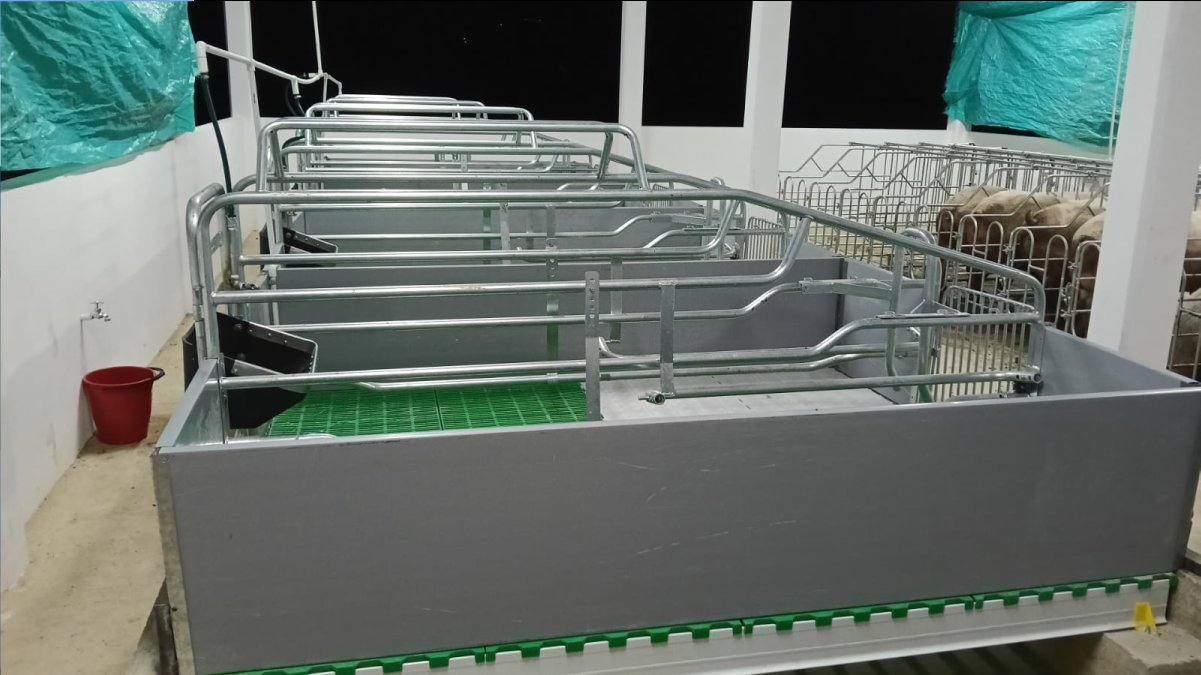
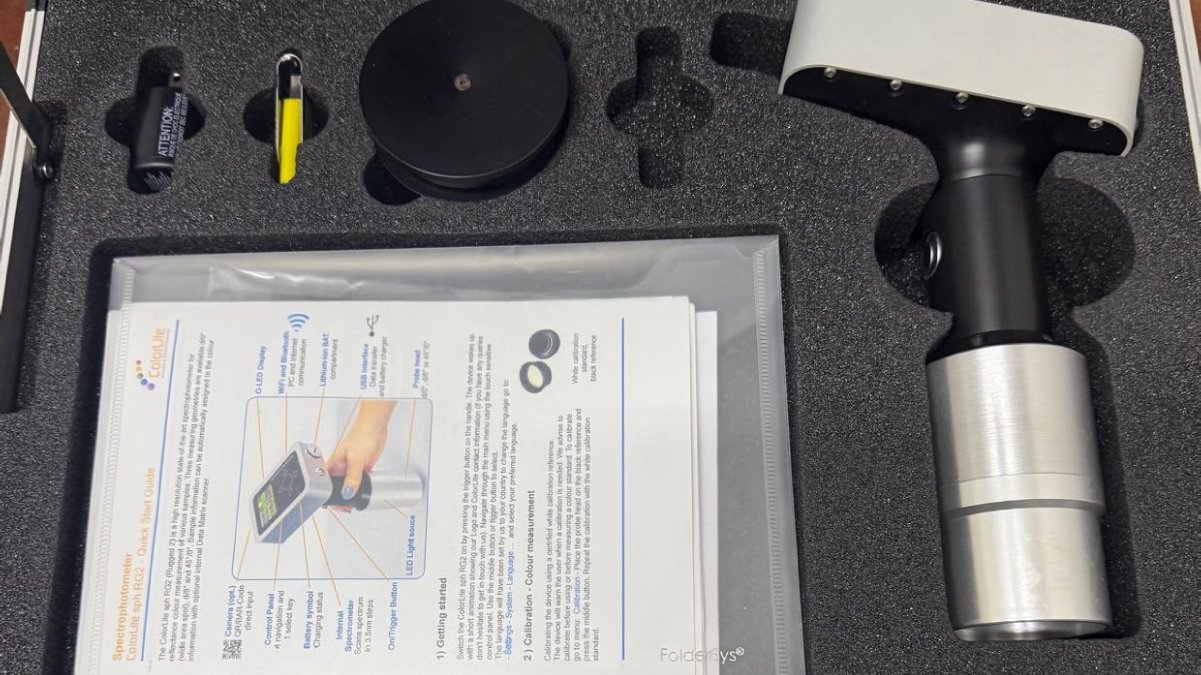
The University continues to consolidate its leadership in Science, Technology, and Innovation with the completion of the project “Strengthening the Physical and Technological Infrastructure of the AgroUCundinamarca Center for Agro-environmental Studies (CEAA),” an initiative funded by the General Royalties System (SGR) that strengthens practical training, research, and development in the agricultural sector. With a total investment of 1,024,433,669 CLP, of which 1,997,753,509 CLP were contributed by the Science, Technology, and Innovation Fund of the General Royalties System and 26,680,160 CLP by the University of Cundinamarca, the project modernized laboratories, adapted agro-environmental units, and equipped specialized spaces that now benefit opportunity creators, knowledge and learning managers, researchers, and the productive sector.
The project was led by Knowledge and Learning Manager Luis Miguel Acosta Urrego, from the Animal Science program at the Fusagasugá campus, with the support of Knowledge and Learning Managers Javier Eduardo Cortés, from Animal Science at the Ubaté branch, and Hernán Granda, from the Environmental Engineering program at the Facatativá branch.
Project leader Luis Miguel Acosta Urrego explained that this initiative represents a decisive step in strengthening the institution's research capabilities. "This project has allowed us to consolidate modern spaces for teaching, research, and innovation, offering better conditions for the scientific training of our opportunity creators and strengthening the generation of knowledge that provides solutions to the needs of the agro-environmental sector and the development of the territories," he stated.
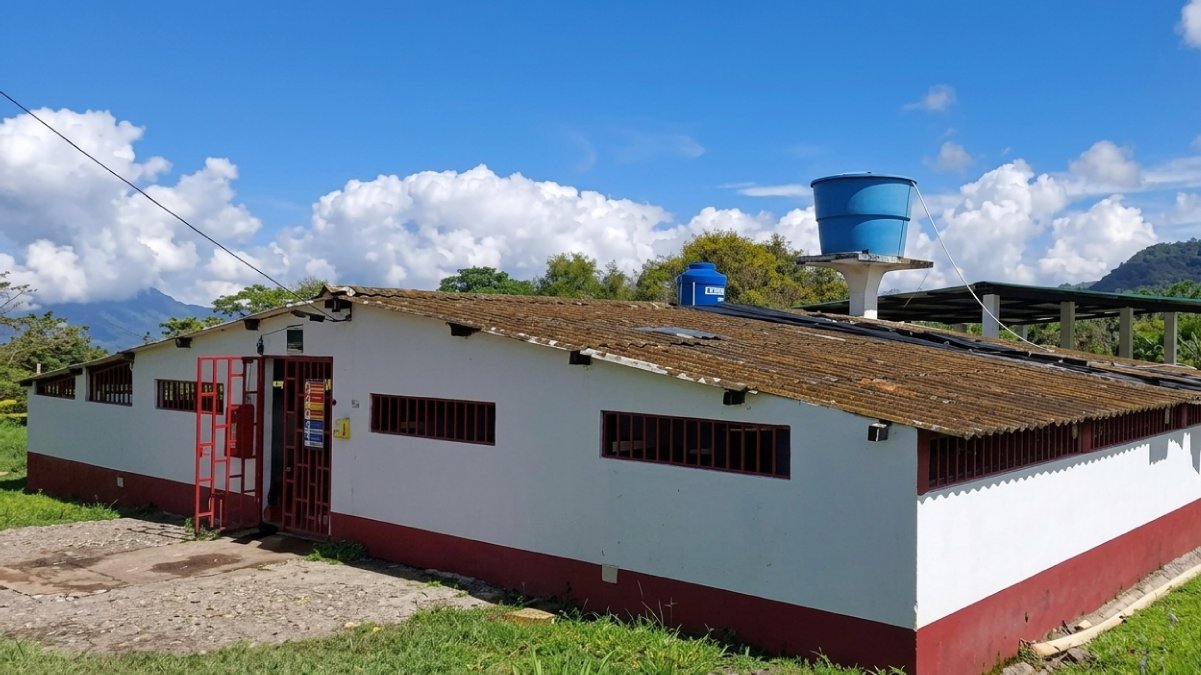
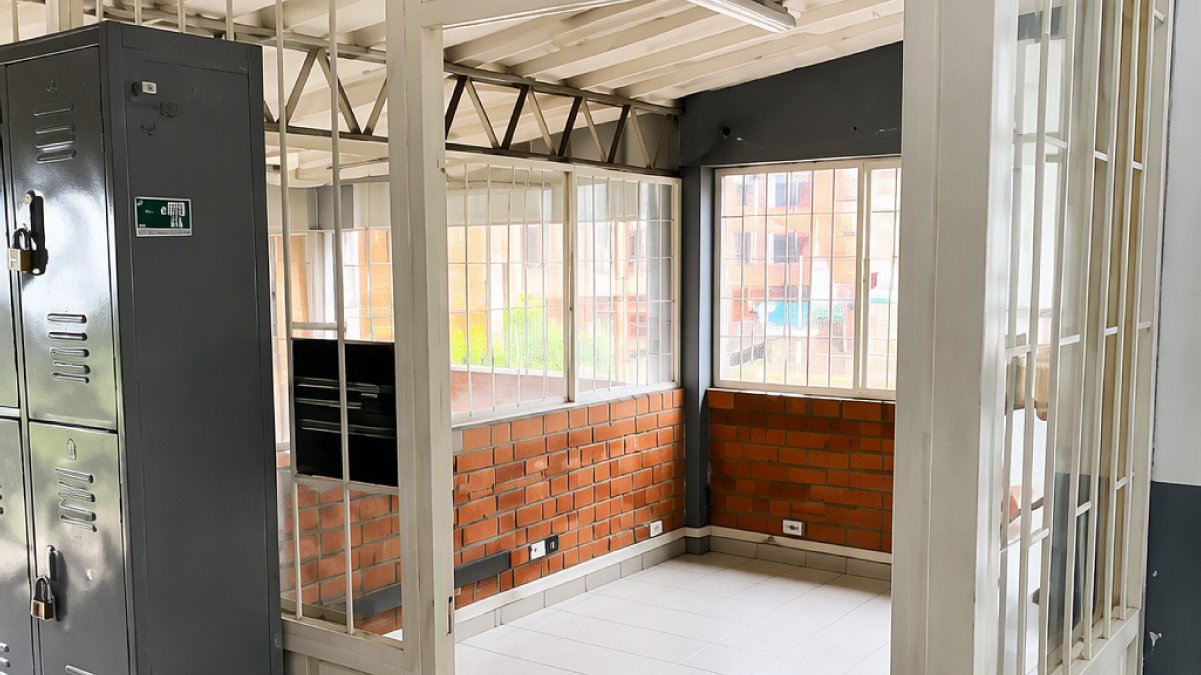
During its execution, important infrastructure interventions were developed, including the adaptation of the Milk Quality and Animal Reproduction Physiology laboratories in the El Tíbar Agro-environmental Unit, in Ubaté; the modernization of the Molecular Biology Laboratory at the Fusagasugá headquarters; in addition to the strengthening of the rabbit and pig farms of the La Esperanza Agro-environmental Unit, located in the Guavio Bajo village, in Fusagasugá.
Additionally, the project enabled the acquisition of state-of-the-art specialized scientific equipment, laboratory furniture, and supplies necessary for research activities, strengthening the technological capabilities of the AgroUCundinamarca Center for Agro-environmental Studies. The initiative concluded on March 2, 2026, achieving 100% physical execution and 97.56% financial execution, results that reflect efficient management of public resources. Furthermore, it received an outstanding rating on the GESPROY platform, scoring 95 out of 100 during 2025 and 100 out of 100 in the first quarter of 2026, demonstrating compliance with the established objectives, goals, and indicators.
Likewise, Knowledge and Learning Manager Luis Miguel Acosta indicated that the project's greatest achievement transcends infrastructure. "Today, the University has facilities that strengthen applied research, promote innovation, and foster the training of professionals with greater scientific skills to respond to the challenges of the country's agricultural and environmental sectors," he emphasized.
With this project, the University of Cundinamarca reaffirms its commitment to strengthening science, technology, and innovation, consolidating spaces that promote practical learning, knowledge generation, and the transformation of territories, in accordance with the principles of the Transmodern Digital Educational Model (MEDIT), which places research, innovation, and interaction with the environment as fundamental axes to train professionals capable of generating sustainable solutions and contributing to the integral development of communities.
News
News
News
News