News
2026-09-24
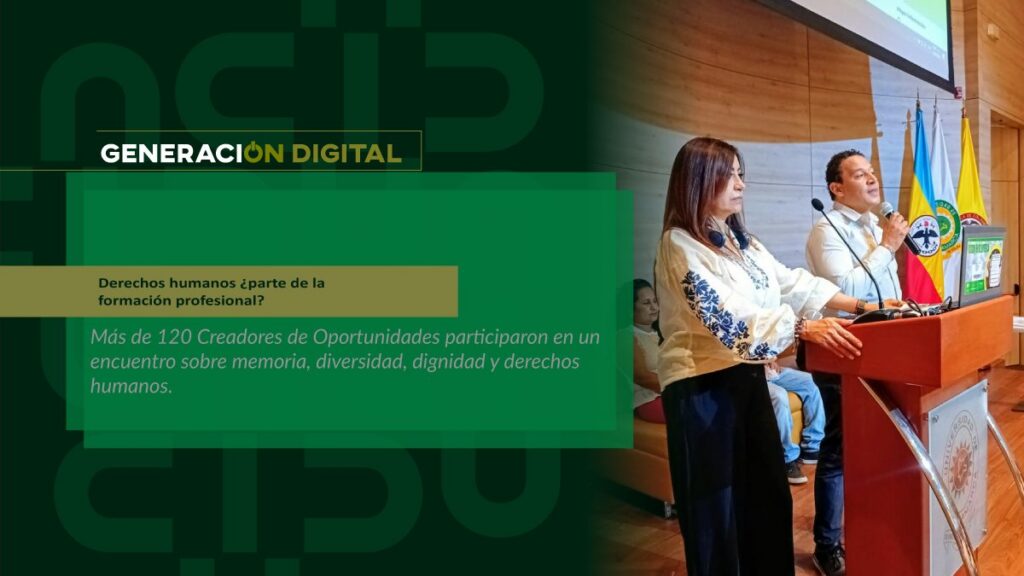
Human rights: part of professional training?
By: Alejandro García Suárez – Advisory Office of Communications


I am your virtual assistant, here to help you quickly and easily.
▲ Back to Top
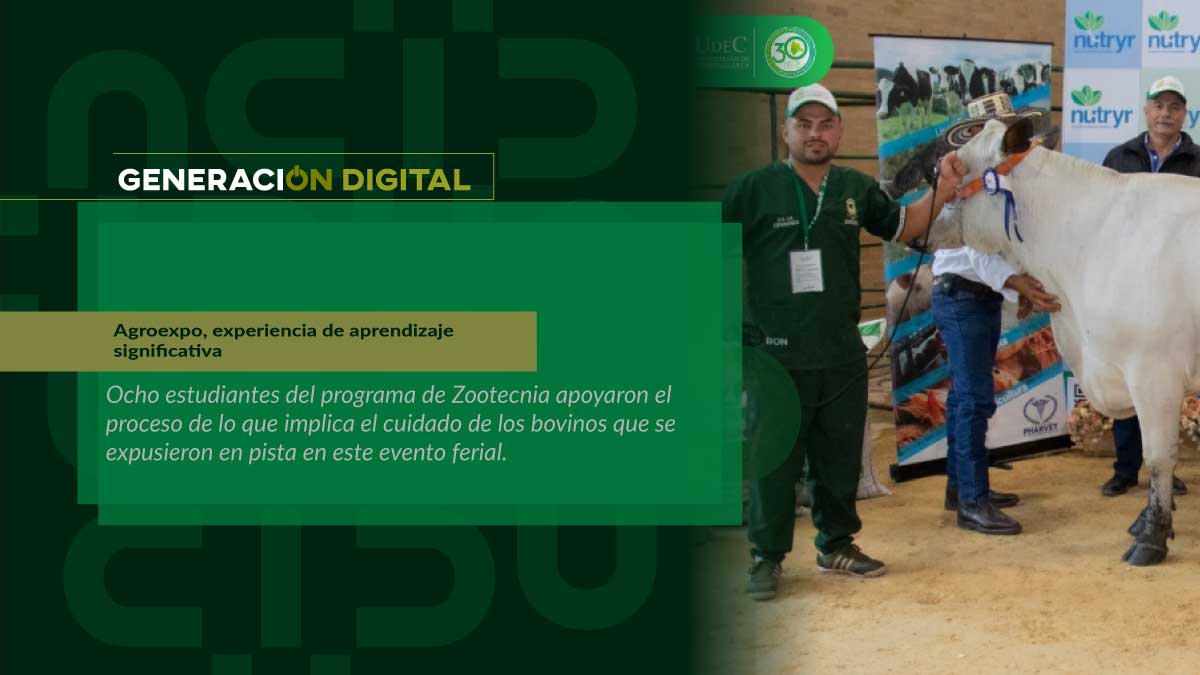
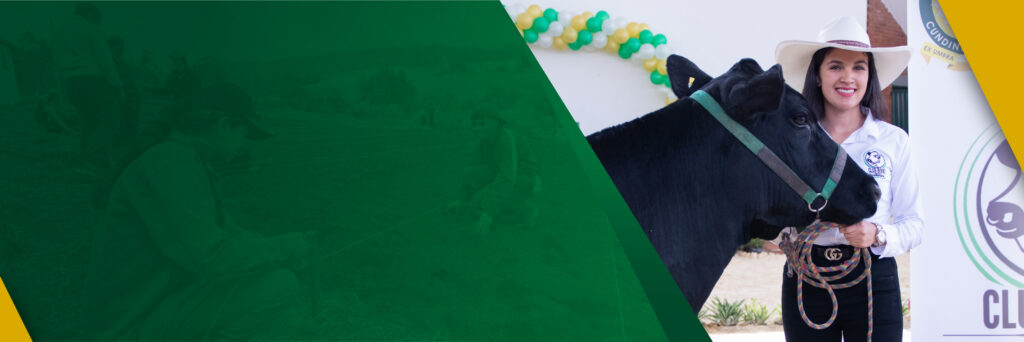
The University of Cundinamarca believes that institutional learning opportunities can extend beyond the traditional classroom and encompass, as in this case, the country's main agricultural fair, Agroexpo 2023, as confirmed by the Dean of Agricultural Sciences, John Alexander Moreno. “The importance of this academic exercise lies in the fact that they underwent an immersion process where they were active participants in the experience.”.
They participated in all aspects of animal handling and preparation, putting into practice concepts of ethology and animal welfare. They were involved from the beginning, for example, in selecting which cattle would be included and in their acclimation and visual preparation. This work lasted two months. They also gained experience with other aspects such as marketing and the evaluation of genetic components.
But the work didn't end there. “They monitored the arrival of the animals at Agroexpo, a fair with very strict sanitary requirements for the entry of different species. Several livestock farms arrived at the gates of the fairgrounds and were turned away for failing to meet the sanitary regulations. This helped them understand how these requirements work. Afterward, they participated in the preparation phase for entering the competition ring. In this stage, they had to put into practice their knowledge of the physiology of these cattle, which come from a different climate and may present health issues. Subsequently, they faced the challenge of observing how the animals are judged and walking them in the ring.”.
Thus, in this pedagogical process, the students were able to explore the different dimensions of the Transmodern Digital Educational Model. “In this educational experience, they explored the dimensions of nature, culture, classroom, society, and the individual, among others. There, they analyzed—not only those involved in its care, but also their classmates—how productive this black-eared bird breed is, a breed that holds great significance in the country's culture.”.
For Christian Camilo Torres, an eighth-semester student from Fusagasugá, this practical experience, in which he gained hands-on experience, solved problems, and made decisions through interaction with the instructor—as outlined in the Transmodern Digital Educational Model—was enriching. “Honestly, I came away from this project very happy, as it allowed me to learn more about the black-eared cattle industry. I feel privileged to have been involved in every phase of the process, right up to seeing them in the show ring. What I experienced helped me solidify my knowledge.”.
Today he thanks UCundinamarca for giving him the opportunity to experience this practice which, as the Transmodern Digital Educational Model states, transcended the classroom. “I want to acknowledge my alma mater, because even though I wasn't on the track with the horses, I did help in their preparation. I had to tickle them "I massage the cattle to calm them down, bathe them, brush them, and feed them. They are very understanding and even created a very special bond with me, as they recognized my voice.".
And in the end, the work of Christian Camilo and his colleagues paid off when the animal he had the most contact with emerged victorious, along with fourteen others, after a thorough review by the judges. “I was very happy to see how the work we had done bore fruit. I connected a lot with one of them, who trusted me enough to approach him. He recognized me when he saw me. I mean, at the end of the day, I didn't feel at ease until I was informed that he, and the other animals, had arrived safely at the La Esperanza Agro-environmental Unit in Fusagasugá.”.
News
News
News
News