News
2026-09-24
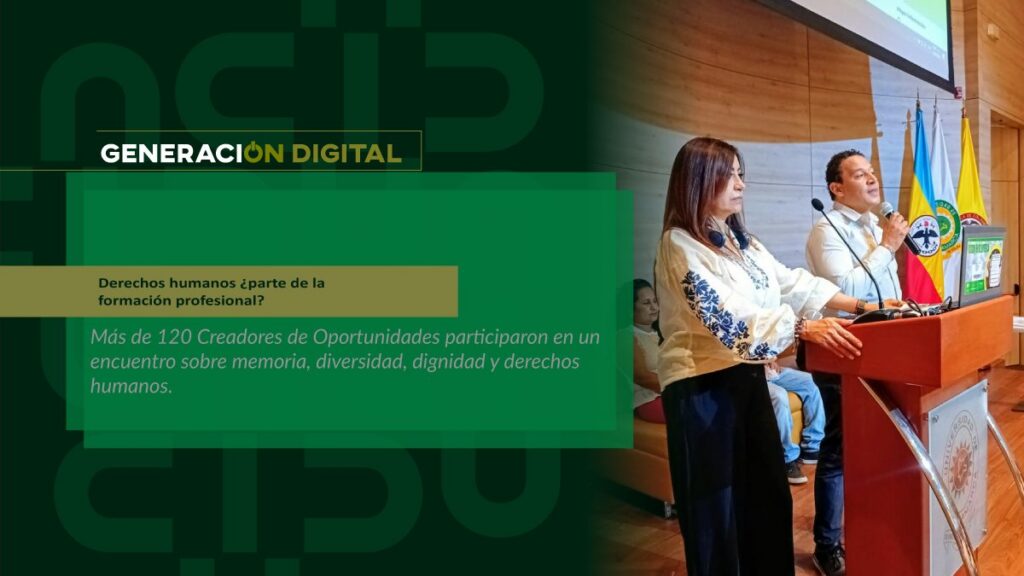
Human rights: part of professional training?
By: Alejandro García Suárez – Advisory Office of Communications


I am your virtual assistant, here to help you quickly and easily.
▲ Back to Top
By: Alejandro García Suárez – Advisory Office of Communications
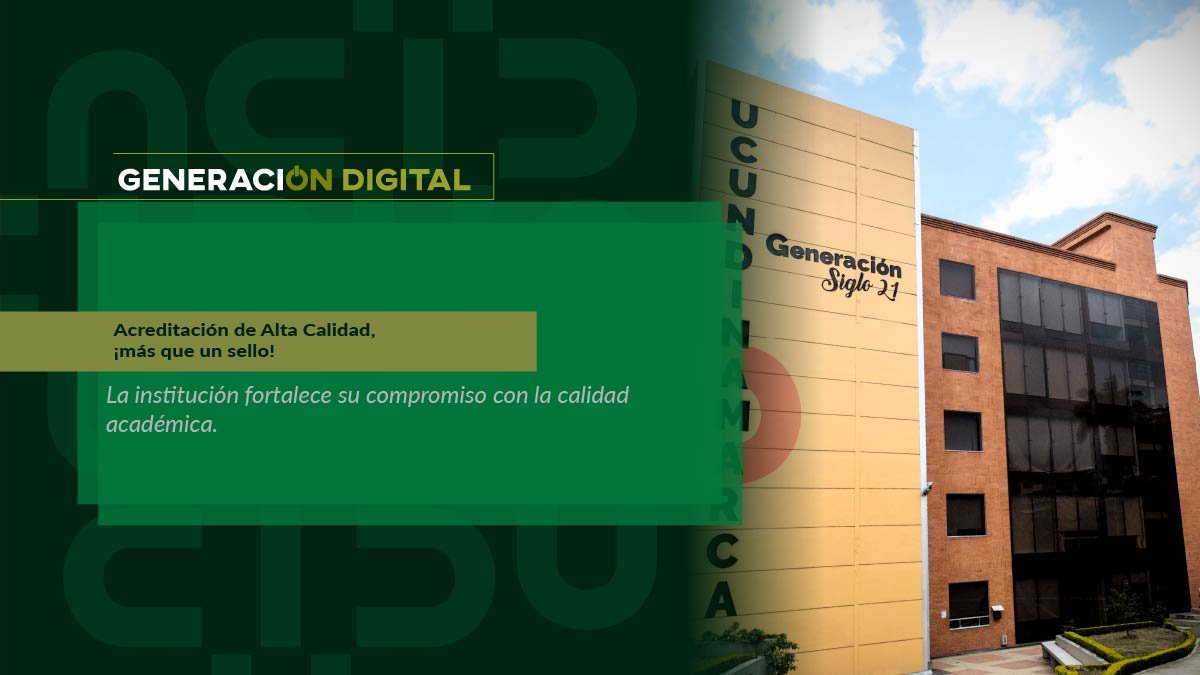
High-Quality Accreditation is not just a seal of approval; it is a constant commitment to continuous improvement. This official recognition, granted by the Ministry of National Education to Higher Education Institutions (HEIs) or their academic programs, certifies that the institution meets the highest quality standards in its processes: academic, administrative, research, outreach, and social impact.
Dr. Wilson Ricardo Pinillos Castillo, Director of Self-Evaluation and Accreditation, explained that this path was charted after the accreditation of four academic programs and is currently progressing with the accreditation of the main campus in Fusagasugá, a process that is already underway before the National Accreditation Council (CNA) of the Ministry of National Education.
“The high-quality recognition not only validates the academic and administrative efforts of the institution, but also improves opportunities for our applicants and graduates, by positioning UCundinamarca at the regional and national level,” said Pinillos Castillo.
One of the cornerstones of this progress has been the Transmodern Digital Educational Model (MEDT), which has transformed training, strategic, and support processes. Thanks to this model, the university consolidated its internal quality assurance system, which promotes self-evaluation, the appropriate use of data, and continuous improvement.
The Directorate of Self-Evaluation and Accreditation has successfully submitted over 60% of the initial conditions for undergraduate programs, and recently self-evaluation reports for accreditation purposes were presented for seven academic programs, including Business Administration (in Fusagasugá, Facatativá and Chía), Electronic Engineering and the Bachelor of Social Sciences.
Dr. Pinillos Castillo highlighted that the regional units and programs are actively preparing for the visits of academic peers from the CNA, through working groups, internal simulations and permanent support to the responsible teams.
Finally, he invited Knowledge and Learning Managers and students to actively participate in these processes: “Your voice is fundamental. The visits include spaces for direct dialogue with peers from the National Accreditation Council, so it is key that you understand the process, take ownership of it, and share your experience with responsibility and pride.”.
With this firm step, the University of Cundinamarca reaffirms its vision of being a modern institution, committed to quality and prepared for the challenges of the present and the future.
The overall process of high-quality accreditation in Colombia follows several phases:
Listen to our Podcast:
News
News
News
News