News
2026-09-24
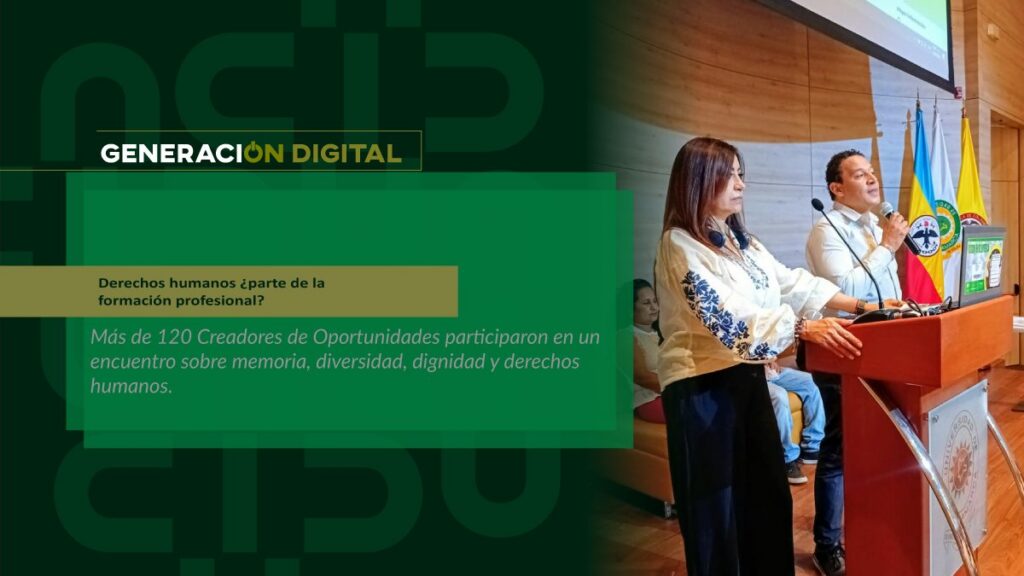
Human rights: part of professional training?
By: Alejandro García Suárez – Advisory Office of Communications


I am your virtual assistant, here to help you quickly and easily.
▲ Back to Top
By: Alejandro García Suárez – Advisory Office of Communications
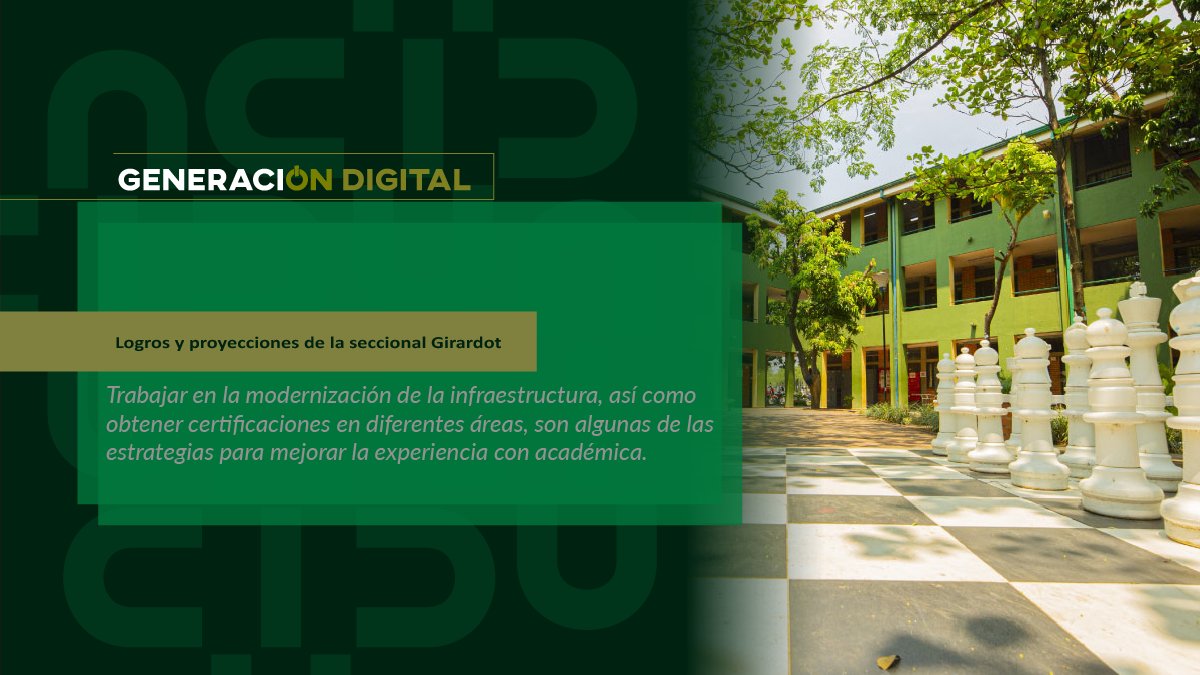
In an interview with the UCundinamarca News Agency, Miguel Ángel Ávila Díaz, Administrative Director of the Girardot branch, highlighted the achievements and administrative management of the first academic period of 2024. He also emphasized the certifications obtained, which reflect the high quality of the administrative work and the efforts of the Knowledge and Learning Managers.
News Agency (AN): What is the administrative balance for the first academic period in the Girardot branch?
Miguel Ángel Ávila Díaz (MAAD): The University of Cundinamarca, and in particular the Girardot campus, has been working diligently to modernize its physical and technological infrastructure, in line with the rector's proposed plan. This strengthening process has been supported by certifications in various areas, paving the way for future institutional accreditation of this university campus.
Certifications in ISO 9000, ISO 14000, and ISO 27000, along with their corresponding renewals, have been fundamental to improving quality at the University and providing students with a more enriching academic experience. This quality strategy has allowed for the more aligned development of academic programs, aiming for their high-quality accreditation.
(AN): What aspects would you highlight as achievements and what areas do you consider need improvement?
(MAAD): In our branch, the achievements we have made are particularly noteworthy in the area of certifications we have received. For us, this is fundamental, as it represents an external and objective evaluation of our performance, both from an administrative perspective and in terms of the work carried out by our Knowledge and Learning Managers. A significant challenge was the launch of a new academic program in the first academic period: Software Engineering. This program has been well received by the educational community and the Alto Magdalena province. Its acceptance has been excellent, underscoring the importance of offering engineering programs in the region. They also contribute significantly to the region's economic and social development.
Within management models, continuous improvement is always a priority. We have focused on strengthening the administrative side and addressing the needs of the academic community, but new updates and requirements constantly arise. It is important to be prepared to adapt to the evolution of the Transmodern Digital Educational Model, as well as everything involved in obtaining high-quality accreditation.
(AN): What were the main challenges faced during the first semester and how were they addressed from an administrative perspective?
(MAAD): One of the most significant challenges we faced was the semester with extremely high temperatures. From that point on, investments were made to address climate variability and improve the layout of facilities to ensure students have suitable environments for their academic activities.
(AN): What measures or strategies will be implemented to ensure better administrative functioning in the second half of the year?
(MAAD): During meetings between the branch office, the rector, and students from the academic programs, several needs were identified that must be addressed to improve the physical infrastructure and ensure optimal conditions for students. One of the challenges highlighted in the 2024-2027 Rector's Plan is improving climate control in academic spaces. In this regard, the rector has suggested investing in temperature regulation systems for specific areas. This project is expected to be completed this year with the procurement of the necessary equipment and will be implemented by the first academic term of 2025.
The branch is committed to continuing to improve its facilities to provide students with a suitable and high-quality environment, thanks to the joint work with the institution's administrative and operational staff.
(AN): In terms of projections for the second semester, what administrative objectives do you consider priorities to strengthen the functioning of the branch and improve the academic experience of the students?
(MAAD): Within the framework of the Transmodern Digital Educational Model (MEDIT), objectives have been established that involve the entire educational community, including administrative staff. It is essential to strengthen the core functions and the student experience at the University of Cundinamarca. Therefore, our challenge is to align our work with the educational model and ensure that it is reflected in the activities of our university community.
It is crucial to understand that our goal extends beyond simply educating in a specific area of knowledge. Our role encompasses the interaction between the educational community, the staff, and ourselves as administrators. From our position, we can facilitate the student experience throughout their time at the branch until they obtain their professional degree.
Listen to our podcast:
News
News
News
News