News
2026-09-24
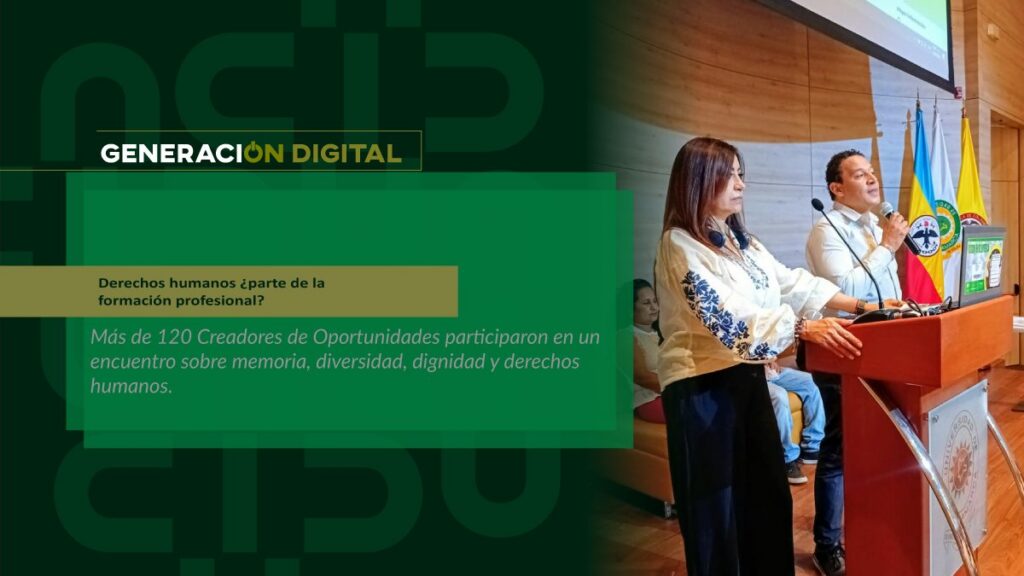
Human rights: part of professional training?
By: Alejandro García Suárez – Advisory Office of Communications


I am your virtual assistant, here to help you quickly and easily.
▲ Back to Top
A sustainable design that increases agricultural productivity
The engineering faculty of the University of Cundinamarca wants to support the achievement of the Millennium Development Goals.
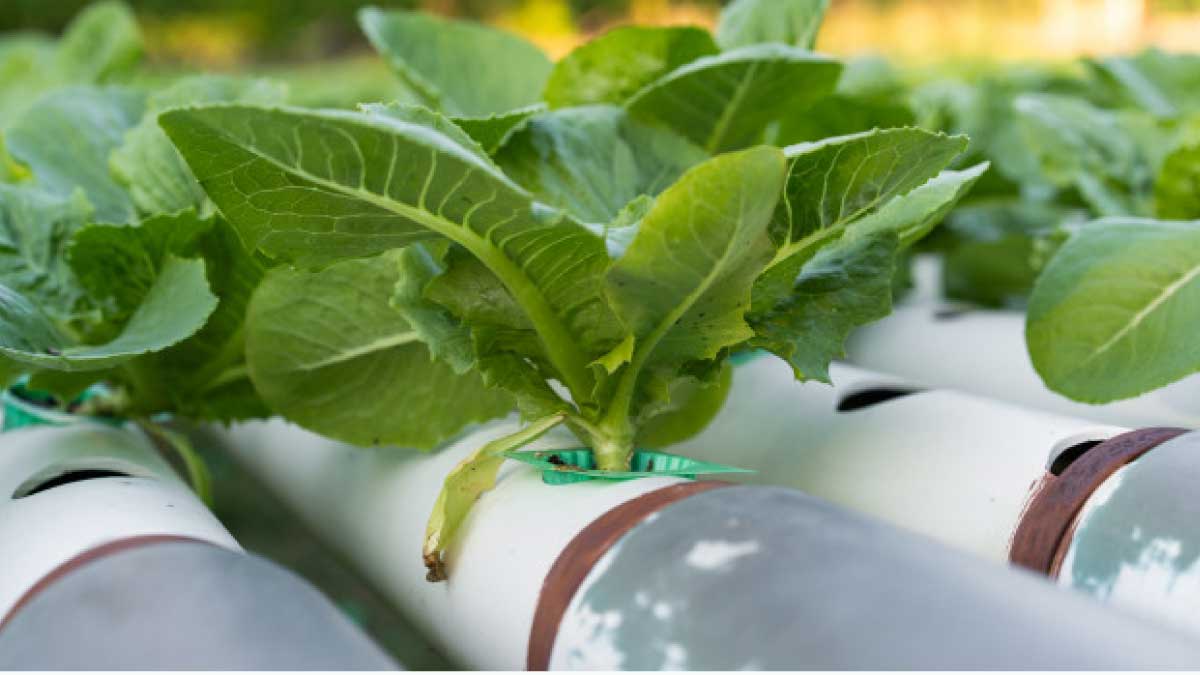
A project led by the engineering faculty of the University of Cundinamarca provides a sustainable technological solution, based on an automated artificial ecosystem of water recirculation (aquaponics), to contribute to water conservation in the ecosystems of the region, mitigate hunger problems in the area of influence and raise productivity levels in the agricultural units located in the Sabana de Occidente province.
Version 1.0 of the project began in 2017, with the goal of finding a sustainable technological alternative that would change the cultural perception of producers in the area. During that year, hardware and software tools were incorporated into agricultural activities.
Currently, researchers are developing version 4.0 based on the results of the study of the agricultural profiles of the region and the requirements have already been established for the design of an experimental laboratory that will begin to be built in the production unit 'El Vergel' and that seeks to produce 3,000 rainbow trout, 1,200 vegetables, 25 kilograms of Californian earthworms, liquid and solid organic fertilizers in an area of 600 m2.
This project consists of three phases that will be developed over three years. It begins with the physical implementation of the 'Lestoma' technological innovation center, followed by the implementation of the web platform and the proposal of knowledge transfer strategies to raise the levels of cultural acceptance and training of the community in general and the producers of the region, and finally, the consolidation of the inter-institutional strategy for supporting and implementing the sustainable technological solution in five agricultural units of the region.
The project guarantees the availability, management, sustainability and sanitation of the water resource with the reuse and recirculation of water in the system, minimizing waste and returning it to the environment without contaminants.
It is worth noting that the project is in line with the Transmodern Digital Educational Model (MEDIT), which seeks to ensure that human beings are in balance with nature in order to make territories sustainable ecosystems.
Similarly, this system is a model for low-income families and communities to implement, mitigating hunger problems, generating sources of income, and helping to conserve ecosystems.
Likewise, the academic initiative aims to contribute to sustainable development goals such as ending hunger, achieving food security, and improving the
nutrition and promoting sustainable agriculture, among others.
Project Leaders
· Laura Nathaly González Castellanos, a final semester student of the systems engineering program – Facatativá, provided support from the graduation project.
· Yesid Leonardo Ávila Sarmiento, a final semester student of the systems engineering program – Facatativá, provided support from the graduation project.
· Lic. Luz Dary Pedraza Hernández, co-director of the degree project, researcher CIAM group – University of Meta.
· Eng. Lina Fernanda Mojica Sánchez, co-director of the degree project, researcher CIAM group – University of Meta.
· Eng. Jaime Orlando Parra González, director of the project Technological Innovation Center farm ´El Vergel´, University of Cundinamarca.
· Eng. Jaime Eduardo Andrade Ramírez, principal investigator of the project Technological Innovation Center farm ´El Vergel´, University of Cundinamarca.
· Ph.D. Jaime Augusto Porras Jiménez, advisor of the project Technological Innovation Center farm ´El Vergel´, University of Cundinamarca.
News
News
News
News