News
2026-09-24
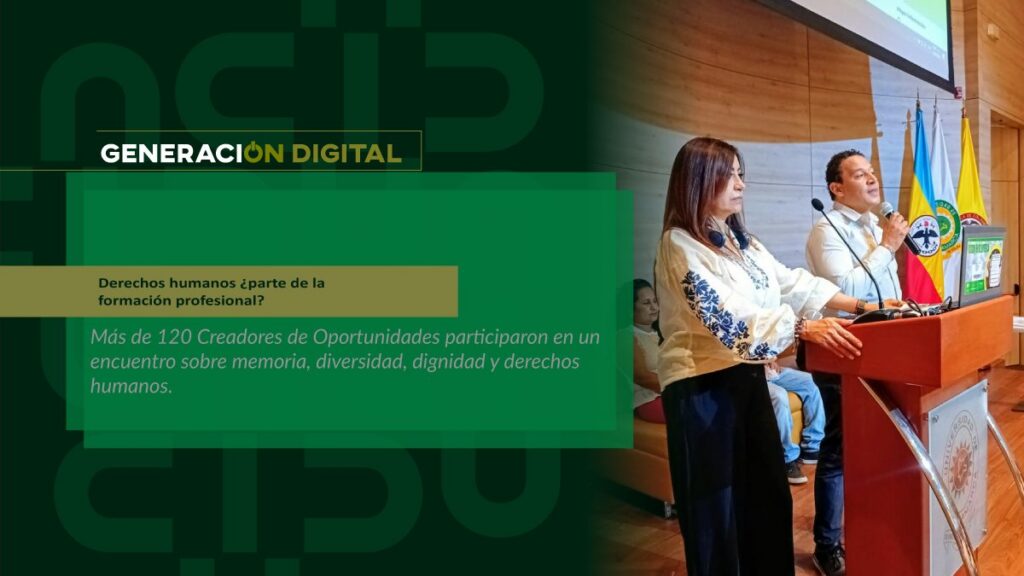
Human rights: part of professional training?
By: Alejandro García Suárez – Advisory Office of Communications



I am your virtual assistant, here to help you quickly and easily.
▲ Back to Top
By Harvey Rodriguez
Advisory Office of Communications
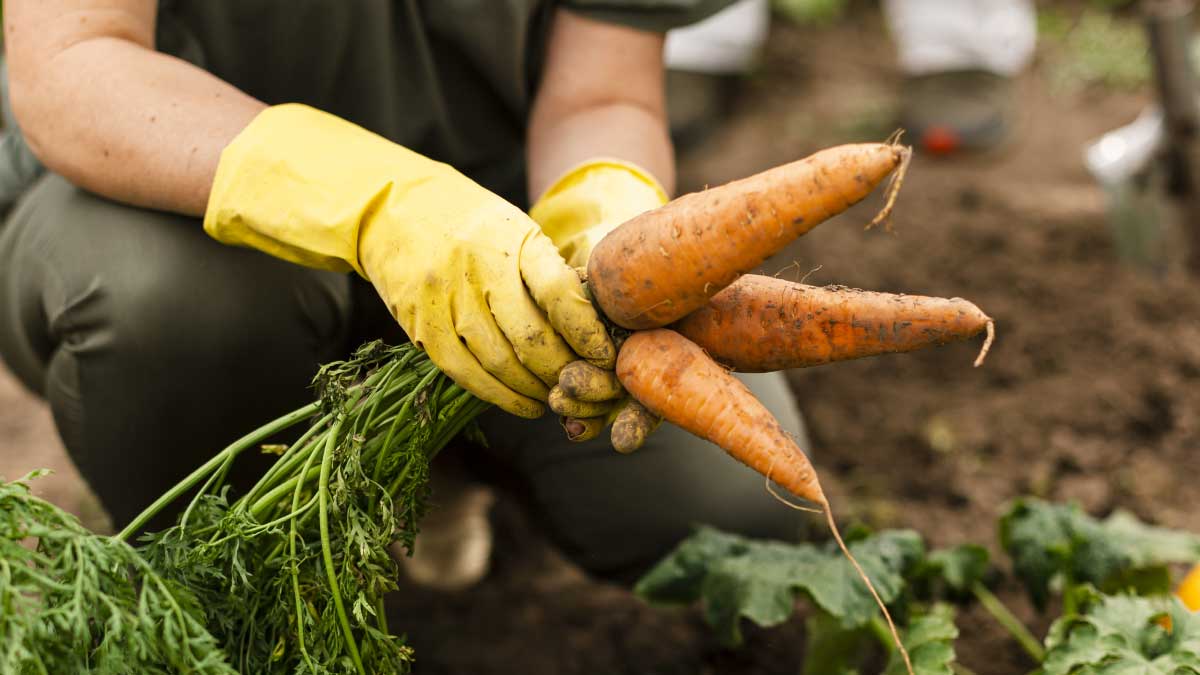
According to calculations by the Ministry of Agriculture and Rural Development, approximately 831,000 tons of the total food consumed by Colombians is produced by our farmers. For this reason, it is crucial to support and protect the work of farmers during this public health emergency to prevent food shortages. A solution to the COVID-19 crisis could lie in investment and technology for Colombian agriculture.
“The country’s small-scale farmers who practice peasant agriculture and ensure food security for Colombians need the support of the National Government now to avoid shortages, since large producers sell food for export, but that food leaves Colombia. Our farmers need investment,” says Diego A. Betancurt, a graduate in animal husbandry from the University of Cundinamarca.
The government must guarantee food sovereignty through the peasant economy, since COVID-19 has economically impacted small producers. “Let’s focus on rural Colombia first, and then on other countries, because the end producer only receives 20% of the profit,” Betancurt adds.
But there is something positive about COVID-19: this pandemic could be an opportunity for the University, farmers, and the Government to come together to improve production and the distribution chain, as well as to find strategies for producing food through the use of technology.
Listen to an interview with our graduate
Voice of the peasants
Proposals from farmers to the National Government
It is worth noting that on April 20, a group of 47 regional and 8 national peasant organizations presented an open letter to President Iván Duque asking him to take measures to protect this population from the crisis generated by Covid-19.
The text compiles the concerns identified by peasant communities and mentions some self-care measures they have adopted: territorial control exercises to prevent the virus from entering their territories, their own production protocols, bartering to market food, and information campaigns, among others.
The proposal revolves around issuing the national rural health plan with a territorial focus, installing rural health posts where they do not exist and strengthening existing ones through sufficient personnel and equipment, implementing mobile prevention campaigns and brigades in rural areas and districts, guaranteeing rapid diagnostic tests for Covid-19 in rural communities, and supplying prevention kits (face masks, gel, alcohol).
Similarly, the proposals include: providing a permanent supply of drinking water and water purification supplies; reducing the operating costs of community aqueducts and equipping them with the necessary technical equipment to guarantee continuous service; strengthening community aqueducts and prioritizing them for surface and groundwater concessions; advising communities on how to obtain concessions for these aqueducts; protecting water sources; guaranteeing free and public access to them; implementing awareness campaigns on water conservation and rationing; and supporting the rural economy.
News
News
News
News