News
2026-09-24
Human rights: part of professional training?
By: Alejandro García Suárez – Advisory Office of Communications



I am your virtual assistant, here to help you quickly and easily.
▲ Back to Top
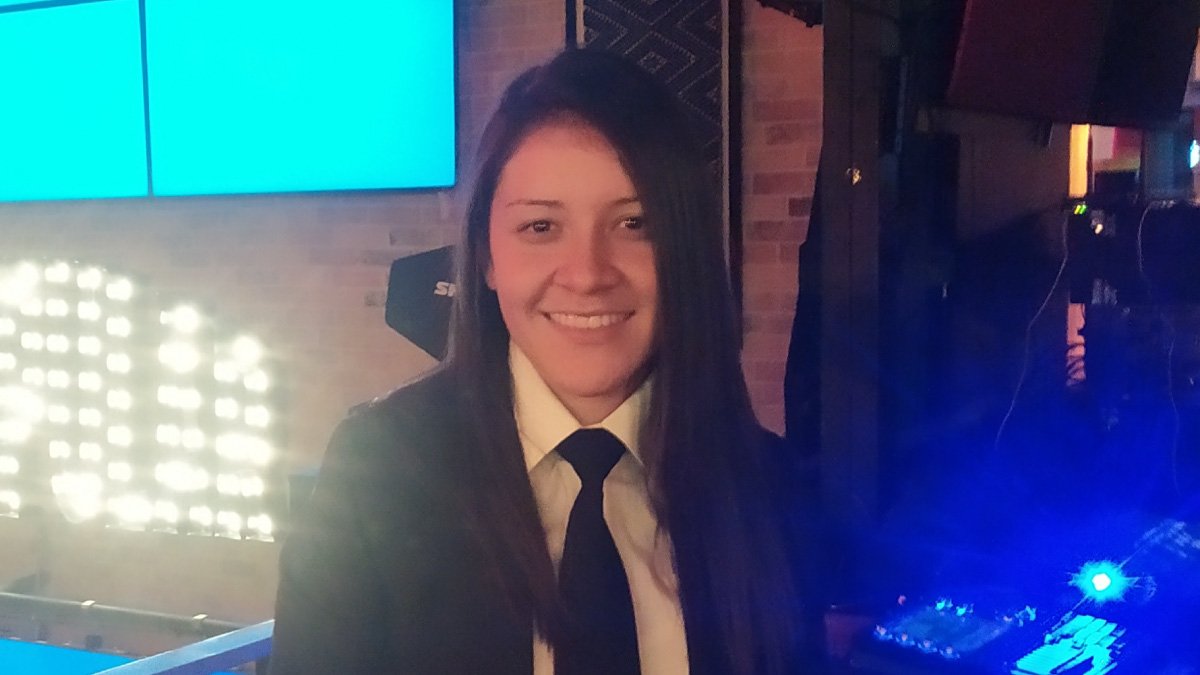
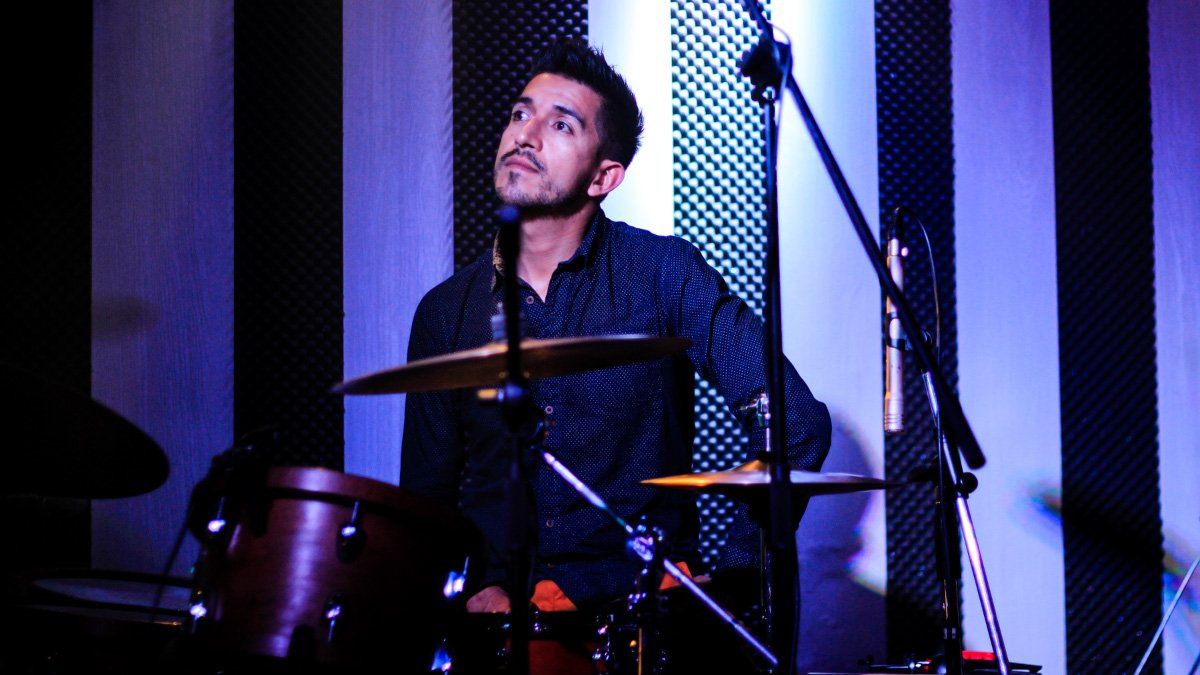
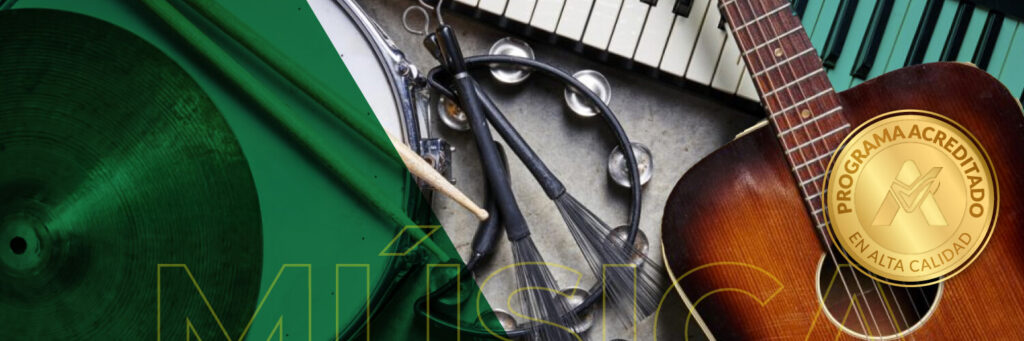
A titanic task led by Professor Manuel Hernández in his research group of the music program, which consists of scrutinizing, together with a group of students, the scores and old records of different rhythms such as pasillo, bambuco, danza and sanjuanero, to make versions as close as possible to the original.
The UCundinamarca News Agency took on the task of bringing together four of its five members, which are made up of: David Alejandro Zubieta, Viviana Paola Rodríguez, Judith Liseth Martínez, Luis Miguel Piedrahita and Cristian Tinjacá, to see how the work of highlighting the musical heritage of Colombia is done.
And this work of musical curation is no easy feat; it's like an archaeologist slowly brushing away dust from an ancient artifact, gradually revealing its original splendor. “We've found manuscript scores and photographs. We also found old recordings on traditional acetate, which we transcribed into sheet music and then digitized. We also consider the era and context in which the composer lived to complement the work,” David explains.
What he says sounds easy, but it's not, as teacher Manuel Hernández explains. “We have to put all the composer's interpretive indications into the score and create a harmonic guide, which refers to the instrumental accompaniment for the piece itself. We do all of this using a computer program that shortens our work.”.
There are twenty-three works in total, corresponding to 21 composers, among whom Luis A. Calvo, Manuel J. Bernal, and Francisco Cristancho stand out as luminaries of Colombian music. “We also want to create software that will be hosted on a website where all this repertoire is available, allowing people to appreciate how the tiple, the guitar, or a particular melody was played at that time and to study it,” the professor explains.
For Viviana, this experience has been unique and very enriching: “In my case, I study opera singing, and it has been amazing to see all the variety in the musical notation found in each score by these composers. This work is invaluable, and we hope that these genres will be preserved over time and can be shared by everyone.”.
And Liseth, who operates the computer program that transfers the scores to the digital system, notes: “This job has been a great experience because I learned to use this software, which I thought was for a different kind of music, but it isn't. I like that with this job I can contribute to helping other people learn about these genres.”.
Meanwhile, for Luis Miguel Piedrahita, this work will be key in strengthening national identity. “We found that in the early 20th century, composers made a significant contribution to nationalism. Currently, there are also important musicians in the cultural industry who are doing the same from a modern perspective, and that has considerable value.”.
Ultimately, this group hopes to see this idea extended to other regions. "We would like to see the Caribbean or Pacific coasts of our country expanded to the future," the teacher commented.
News
News
News
News