Fusagasugá Branch
2026-09-24
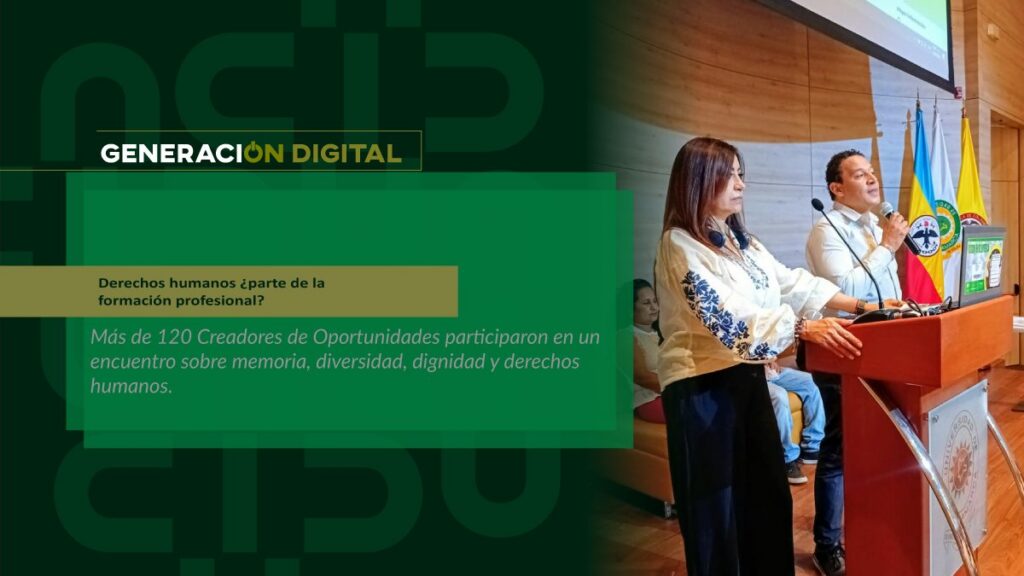
Human rights: part of professional training?
By: Alejandro García Suárez – Advisory Office of Communications
Loading...



I am your virtual assistant, here to help you quickly and easily.
▲ Back to Top
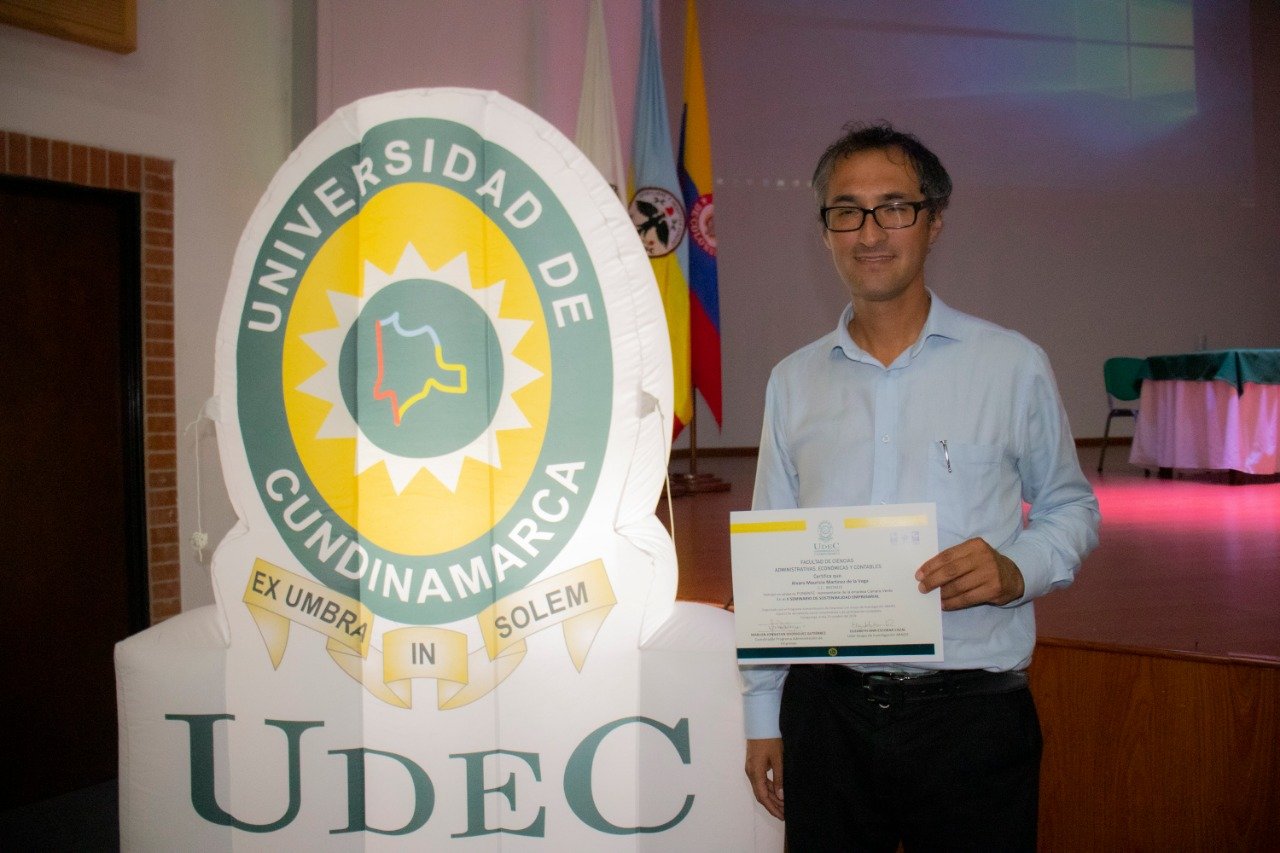
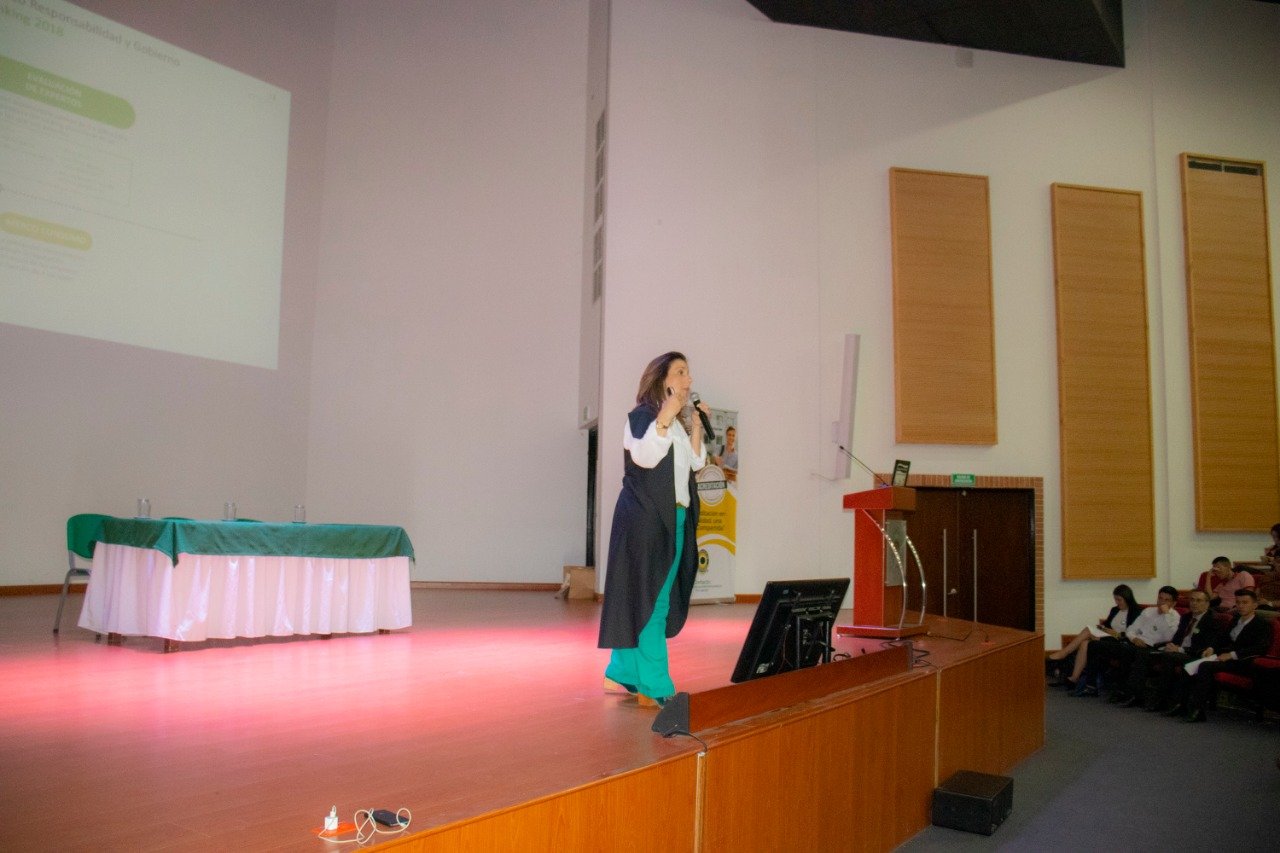
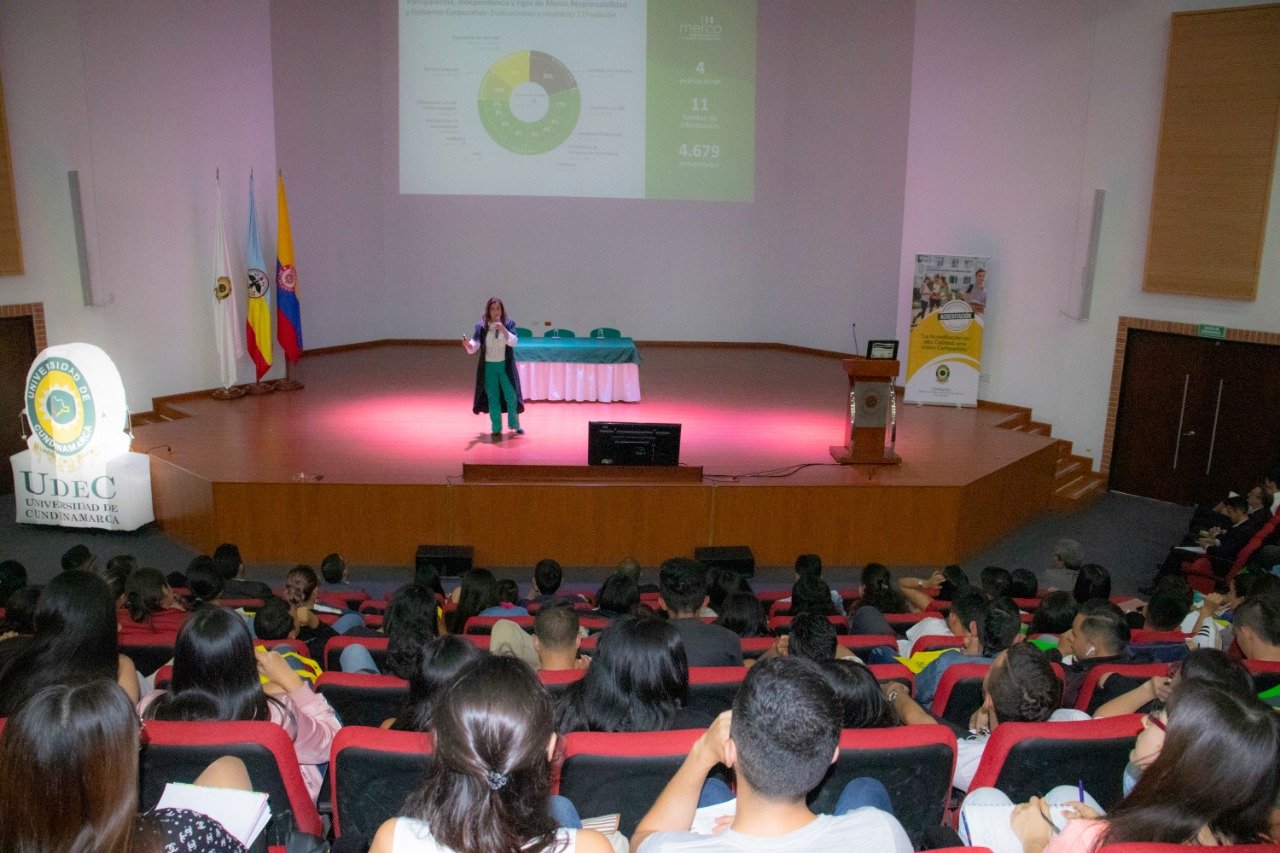
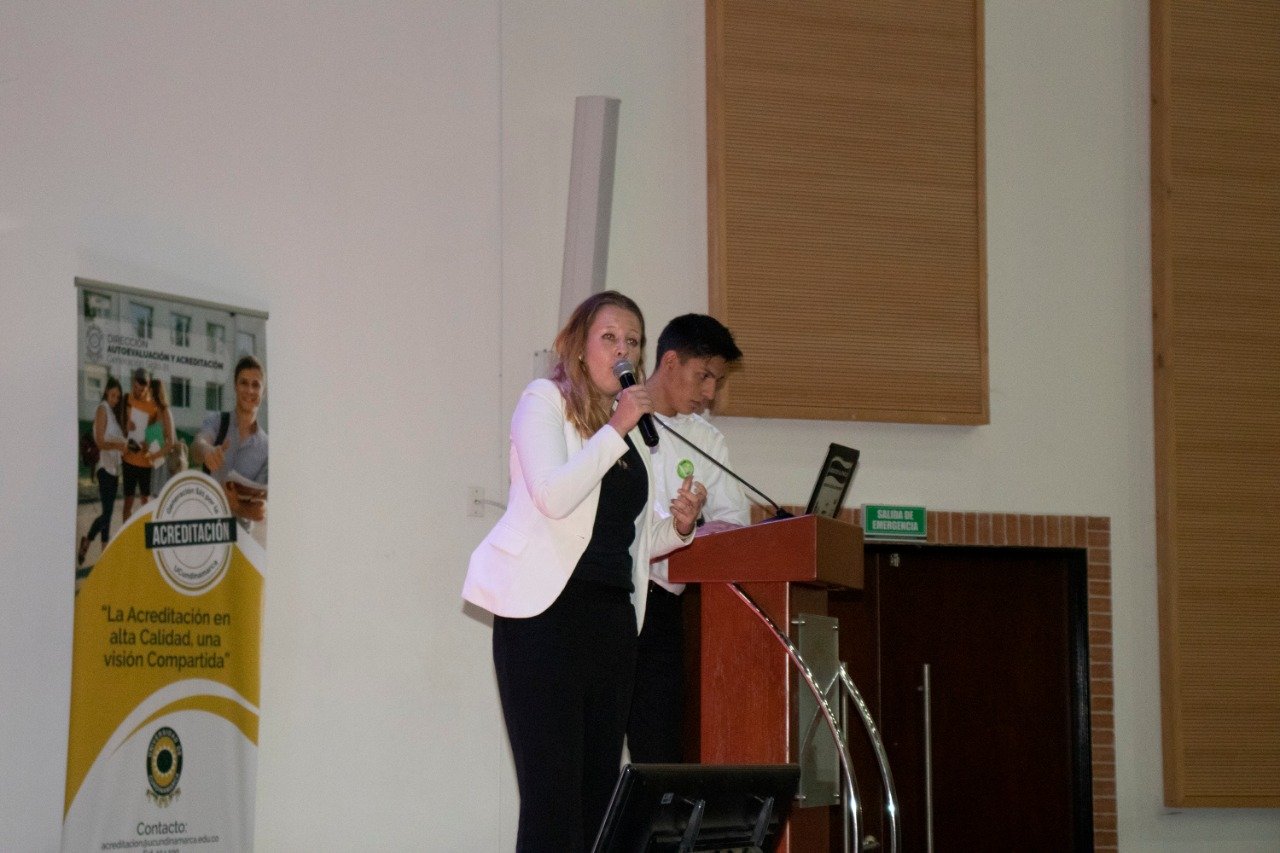
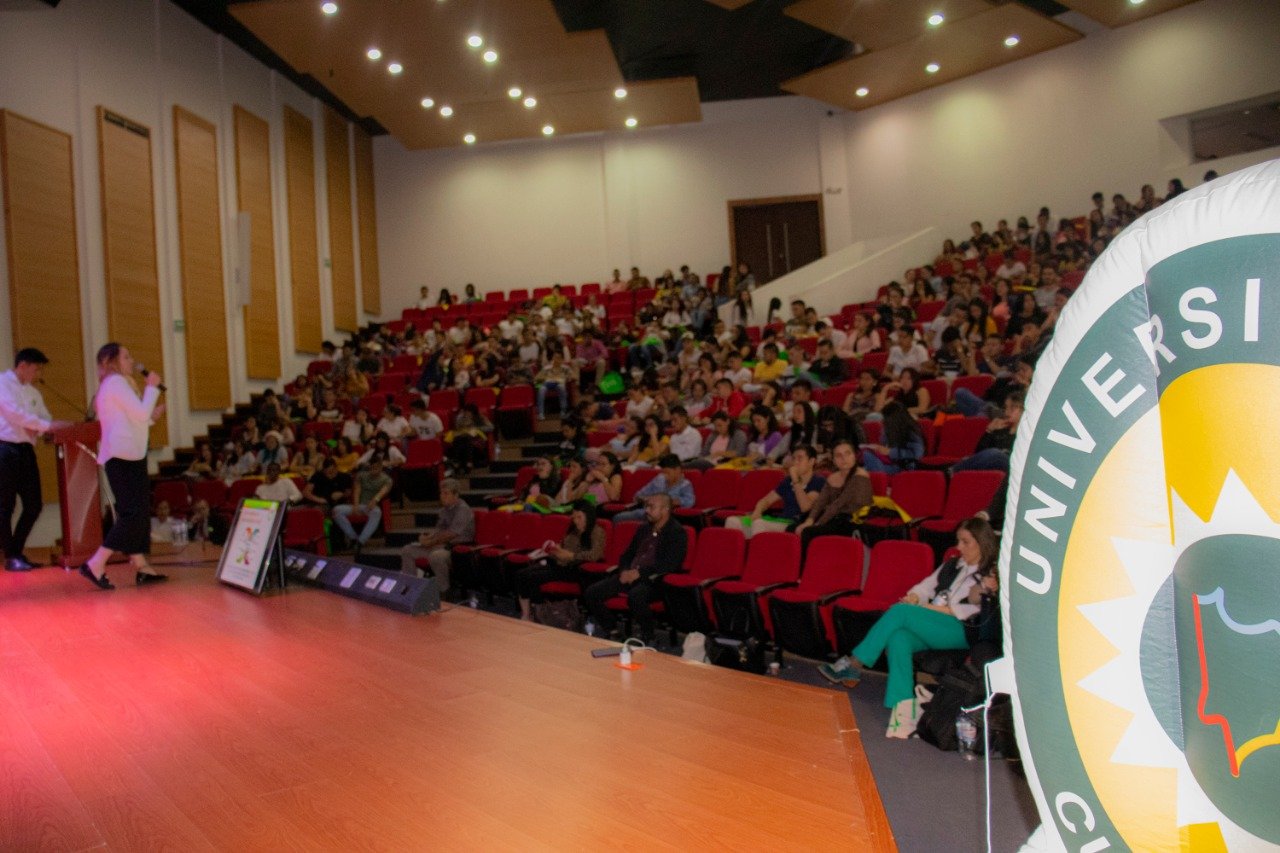
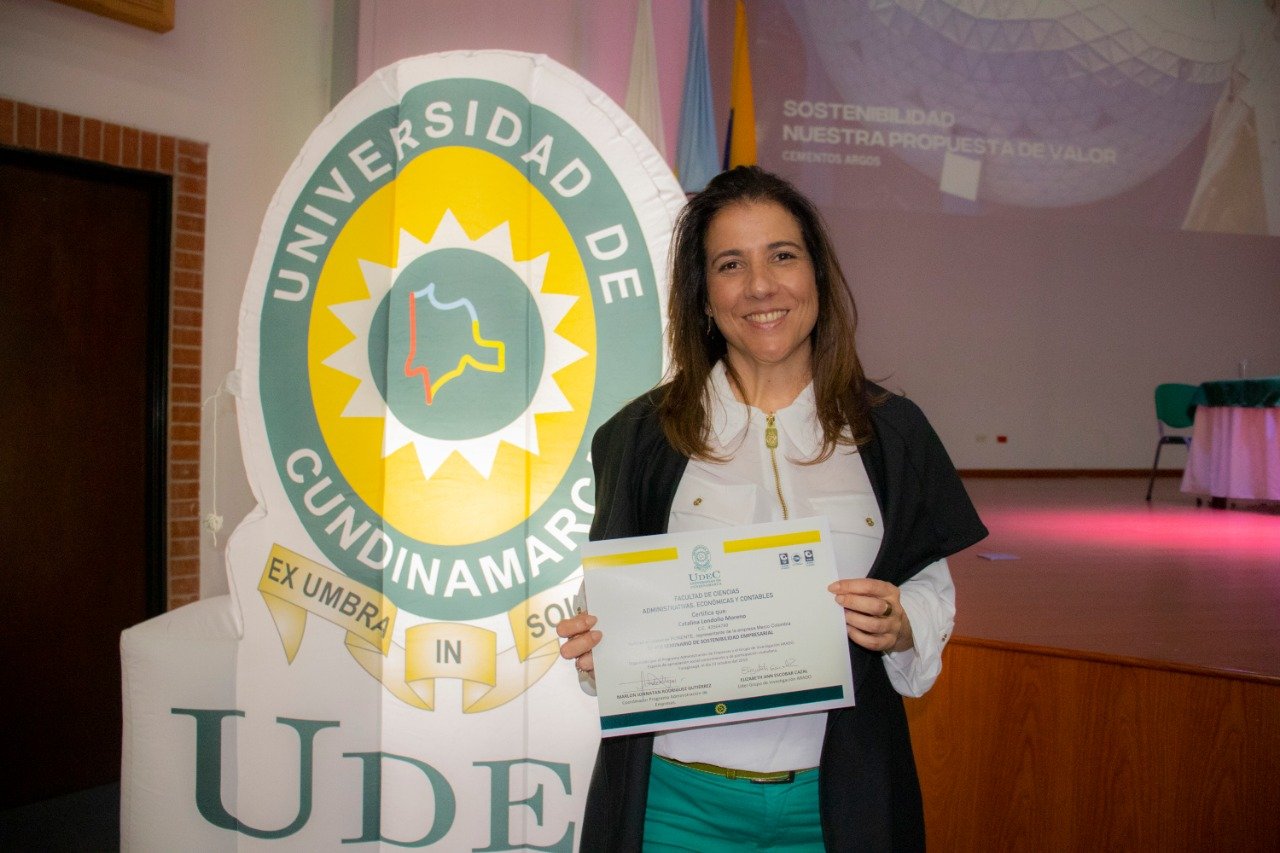
The Faculty of Administrative, Economic and Accounting Sciences, in its role of promoting sustainable societies in the 21st century, sought through the seminar to create bridges between the various actors around the fulfillment of corporate social responsibility more as a commitment to the environment and to society in general than as an obligation.
The academic event addressed thematic areas related to ecological awareness, environmental management, water resources, sustainable societies, corporate responsibility, among other topics, led by experts from private and public organizations in the country.
Dr. Álvaro Martínez de La Vega, a member of the board of directors of the Green Chamber of Commerce, presented the conference: “Corporate social responsibility and corporate irresponsibility”, He emphasized how the country should focus more on cooperation than on corporate social responsibility (CSR), in order to have a better capacity to face problems together.
“Colombia needs greater cooperation and volunteerism, considering that we remain the most unequal country in Latin America. I believe that to achieve the SDGs, businesses and the country's millionaires must invest in and support entrepreneurs, taking risks and moving away from a conservative approach to investment. This would generate significant social and economic progress in the country, which is considered the most entrepreneurial in the region. Furthermore, Corporate Social Responsibility (CSR) should no longer be seen by companies as merely a mechanism for complying with environmental and social regulations. This is the most basic thing they can do.”, Martínez de La Vega noted in his concluding remarks during his presentation.
In his lecture, Martínez De La Vega highlighted the value of corporate social responsibility (CSR) investment in Colombia:
•In 2018, 72 companies invested $857 billion.
According to ANDI's Social Investment Document, of the 1,058 affiliated companies, 738 have 2,527 projects, of which 521 are related to mitigating the impacts generated by their business operations. In other words, they are complying with national environmental regulations.
•The net profits of companies in 2018 were 41.5 trillion pesos. They contributed 17.8 trillion pesos in income tax to the DIAN (Colombian Tax Authority).
•This means that companies in Colombia are investing only about 2.11% of their net profits in social and environmental projects.
•As an indicator to reach an education level in Colombia at the OECD level, 108 trillion pesos would be needed.
•Colombia has 4 billionaires, 51,000 millionaires and 31,700 people with assets exceeding 1 billion pesos.
•Companies do not have a real incentive to make donations to non-profit organizations; it is an unsuccessful mechanism of the 25%.
•As a fact, there are 10,000 trillion dollars accumulated in the world in just 2,900 companies and families.
For his part, Dr. Hernán Pérez Molano, representative of the National University, stated, “We must continue to generate knowledge in context for the construction of sustainable societies and insert the sustainable cities component into the DNA of potential new university spinoffs.”.
You might be interested to see what spin-off means.
Dr. María Marín, director of Merco Colombia, presented the paper“Sustainability is our value proposition” in which he highlighted the importance of corporate reputation. “The image is framed within the recognition that stakeholders make of a company’s corporate behavior, based on the fulfillment of its commitments and the satisfaction of their expectations.”.
Other presentations developed in the seminar were “Environmental Management Systems” by engineer Yimy Villalobos, “Tourism with ecological awareness” led by Dr. Cristian Talero Serrano, “Corporate Sustainability” presented by Dr. Julián Duarte Castellanos.
The academic event was attended by the student community, teachers, the business sector of the city of Fusagasugá, environmentalists and the community in general.
News
News
News
News