News
2026-09-24
Human rights: part of professional training?
By: Alejandro García Suárez – Advisory Office of Communications



I am your virtual assistant, here to help you quickly and easily.
▲ Back to Top
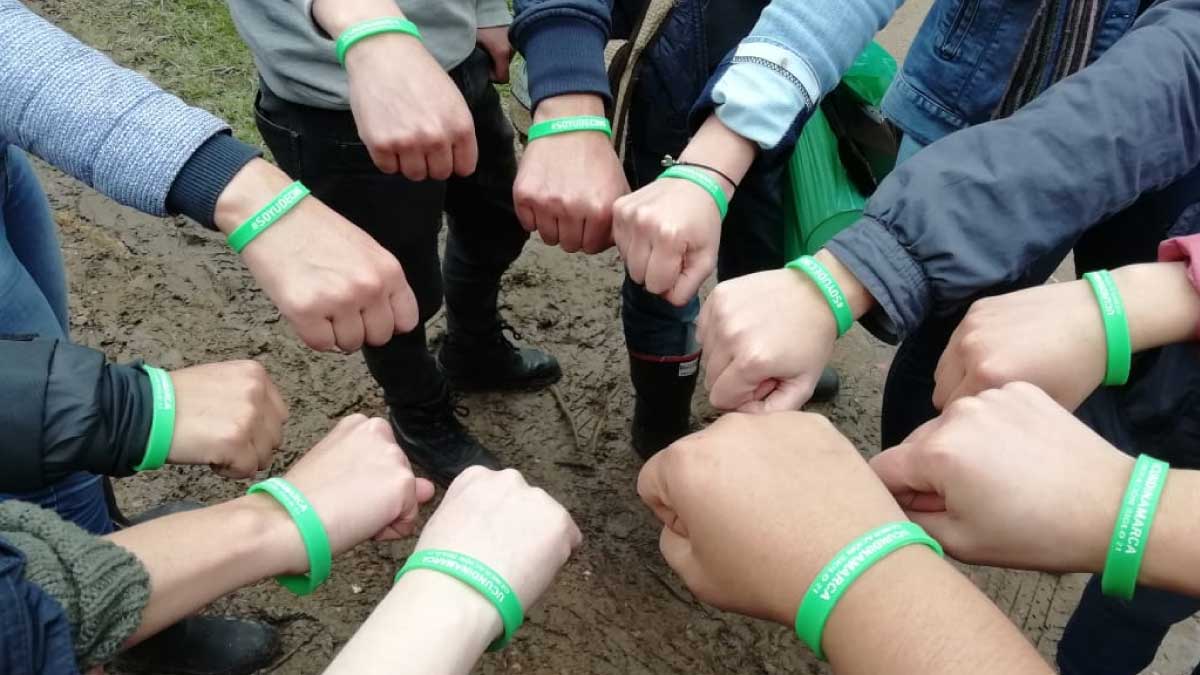
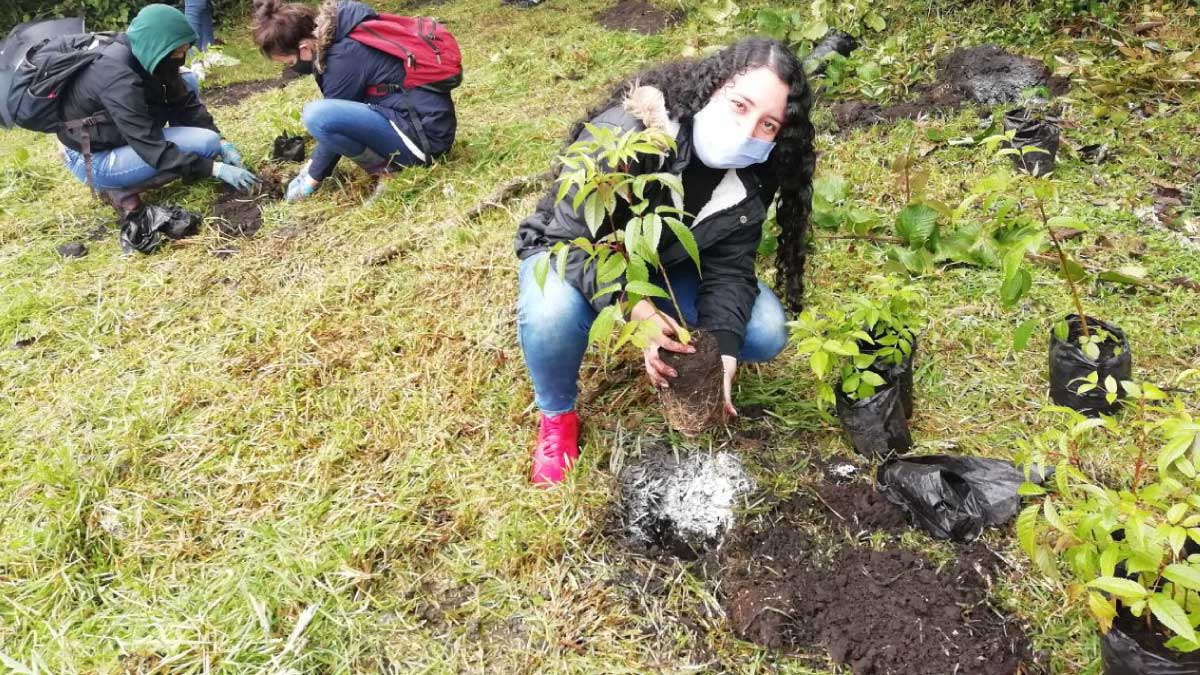
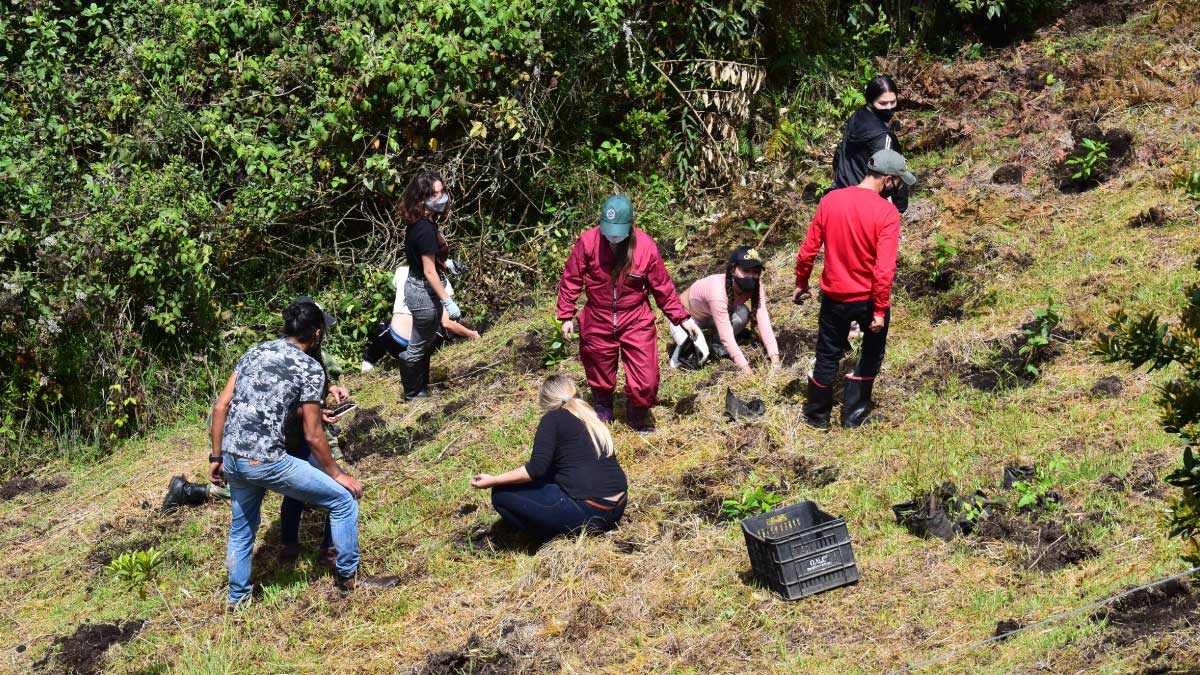
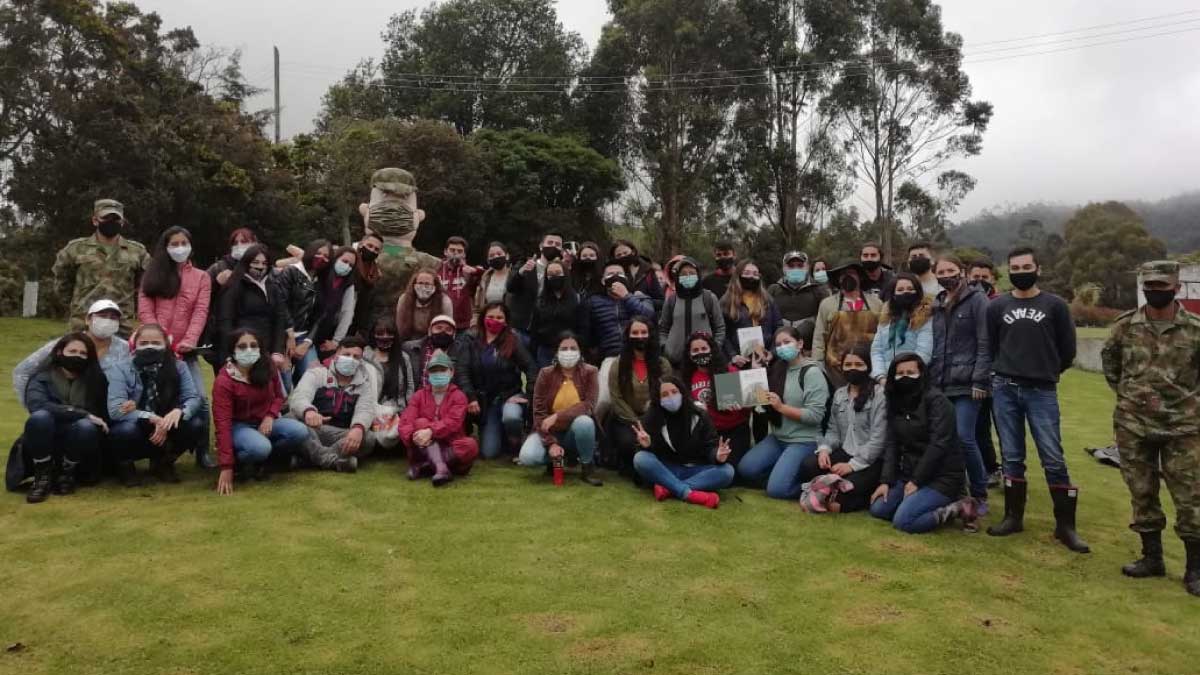
On March 11 and 12, in an effort to generate and internalize in the university community the sense of care and protection of nature, and the conservation of water resources, the reforestation day was carried out at the El Vergel Agro-environmental Unit of UCundinamarca, located in the Mancilla village of the municipality of Facatativá.
The promoters of this great initiative were students of Environmental Restoration and Environmental Education, teachers from the Environmental Engineering and Agronomic Engineering programs, the administrative management of the Facatativá Extension, the Environmental Management System, the Cultural Learning Field “Care of Nature”, the Manager of the El Vergel Agro-environmental Unit, Occupational Safety and Health, with the support and participation of the No. 38 Miguel Antonio Caro Infantry Battalion BIMAC with the project “Sowing Peace, Life and Reforestation” through the Business Action Group Foundation – GAE, who have been working together with the University of Cundinamarca for eight years.
Chicalás, arrayanes, guayacanes, alisos, arbolocos, cucharos, cedros, siete cueros, saucos, sauces, trompetos, mano de oso, robles, alcaparros, among others, were the native species that were planted, complying with all biosecurity protocols, in the water recharge zone of the Mancilla hill, which will contribute to ensuring the water resource of the El Vergel Agro-environmental Unit, the increase of vegetation cover and the offer of ecosystem services that are derived from it, contributing to the reduction of the local and institutional Carbon Footprint.
This day was scheduled as a way to continue the gradual reforestation process in the El Vergel Agro-environmental Unit, within the framework of the Efficient Use of Ecosystem Services Program - PUESE, of the Institutional Environmental Management Plan - PIGA, and as part of the strengthening of the internship and practicum program developed in the No. 38 Miguel Antonio Caro Infantry Battalion BIMAC, where six Environmental Engineering students carry out environmental education days, among other tasks in favor of caring for the environment.
The importance of reforestation
According to Ideam, in 2019, deforestation was reduced by 19.21%, while in 2018 it was 101%, confirming the downward trend of this scourge in the country. This represents the prevention of deforestation of 38,264 hectares of forest during this period, exceeding the proposed goal. However, despite this positive trend, the challenge for the country is significant and ongoing, as species of flora and fauna, as well as different natural ecosystems, are increasingly affected by human activity.
As a University committed to the conservation and care of resources, from the nature dimension of the Transmodern Digital Educational Model – MEDIT, UCundinamarca promotes reforestation days to protect and conserve river basins in all the regional units where its facilities are located in a translocal way in the Department of Cundinamarca, in this case that of the Botello river, which belongs to the middle basin of the Bogotá river, aligned with compliance with its sentence.
“We will continue to carry out planting days with the National Army; we want to participate in these projects that give life,” said teacher Fredy Augusto Duque Duque, who is in charge of accompanying the professional practice.
As the teacher explained, planting helps prevent animals native to each region from changing their habits and potentially becoming extinct. Furthermore, it contributes to counteracting global warming by capturing greenhouse gases, acting as carbon sinks, recycling nutrients, regulating the water cycle, preserving the soil, and providing other ecosystem services.
The UCundinamarca constantly participates with its Environmental Engineering and Agronomic Engineering interns, who support the National Army in the so-called Operation Artemisa, a strategy of the National Government to counteract deforestation in Colombia.
Sowing Life and Environmental Culture
The event was attended by the entire Environmental Management System team, including professionals from all regional units, as well as students completing their internships and placements, mostly from the Environmental Engineering program in Facatativá. As the EMS team, they shared important aspects of strengthening environmental culture.
“We took advantage of this event to share the importance of reforestation, the proper use of water resources, some tips for saving and using water efficiently, and the main changes in the color code for waste classification applicable at both the institutional and national levels. We practically illustrated the use of black for non-recyclable waste and double bags of the same color for items contaminated with a risk of COVID-19 infection, red for hazardous and special waste, white for the collection of recyclable waste, and finally green for recyclable organic waste,” explained Sandra Milena León García – Coordinator of the Environmental Management System.
He concluded, “Sowing is synonymous with life, and as the Udecina community we are called to transform in order to live in balance with nature.”.
News
News
News
News