Institutional high-quality accreditation link stiky-sticky

▲ Back to Top

Legal Nature

Article 21 of Resolution 064 of May 3, 2012, “By which the functions of each of the areas established in Article 1 of Agreement No. 008 of 2012 are determined,” establishes that one of the functions of the Research Directorate is: “To promote activities that effectively articulate teaching tasks with those of research and outreach, ensuring the active participation of all actors involved.”.


The Higher Council through Agreement 000025 of 2018 “By which the University of Cundinamarca Publishing House is created”

Mission, dysfunction and vision

Mission

Disseminate the research results of the University of Cundinamarca through quality academic production, in order to contribute to the consolidation of quality research, and to encourage the academic-scientific production of research professors and students of the University of Cundinamarca.


Rector's resolution 0160 from November 6, 2019.


Diffusion

The publishing house will be the main medium for the dissemination and transfer of research results and academic production of the university community; therefore, its action will be strengthened through alliances with prestigious national and international institutions to advance co-editions and joint publications. Among these will be the dissemination of the best undergraduate and graduate-level work and theses.


Rector's resolution 0160 from November 6, 2019.


Vision

To be recognized in the academic and scientific community for its translocal approach and the high quality of its publications, especially those derived from Science, Technology, and Innovation processes.


Rector's resolution 0160 from November 6, 2019.

Regulations

Agreement 025 of 2018
Download
Resolution 0160 of 2019
Download
Intellectual Property Statute 004
Download

Catalog

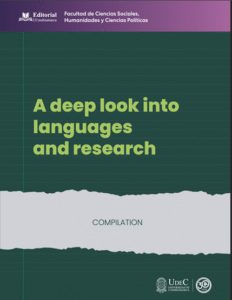
  • A DEEP LOOK INTO LANGUAGES AND RESEARCH
    See more
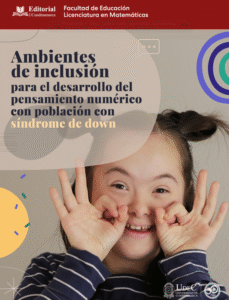
  • Inclusive environments for the development of numerical thinking with a population with Down syndrome
    See more
  • ANALYSIS OF BIASES AND ERRORS IN DECISION-MAKING: A CASE STUDY IN SERVICE COMPANIES
    See more
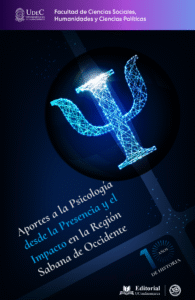
  • Contributions to Psychology Through Presence and Impact in the Sabana de Occidente Region
    See more
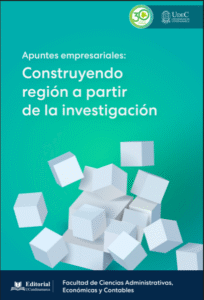
  • Business Notes: Building the Region Through Research
    See more
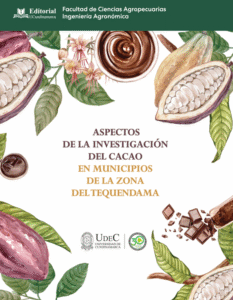
  • Research Aspects of Cacao in Municipalities in the Tequendama Region
    See more
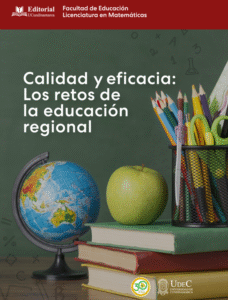
  • Quality, Effectiveness: The Challenges Facing Regional Education
    See more
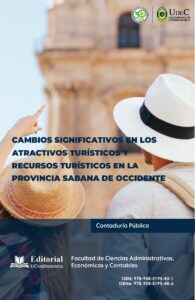
  • Significant Changes in Tourist Attractions and Resources in the Province of Sabana de Occidente: A Critical Perspective from Its Residents
    See more
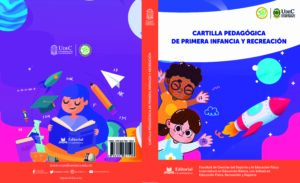
  • Early childhood and recreation pedagogical booklet
    See more
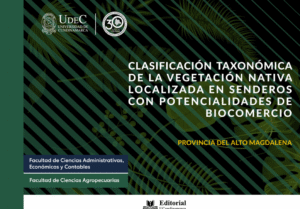
  • Taxonomic Classification of Native Vegetation Found Along Trails with Potential for Biocommerce (Alto Magdalena Province)
    See more
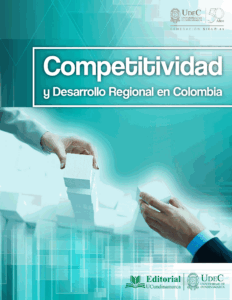
  • Competitiveness and Regional Development in Colombia
    See more
  • Compilation of research processes in mathematics education
    See more
  • Compilations of Research Processes in Geometry, Statistics, and Dynamical Systems.
    See more
  • CONTRIBUTION TO THE CONSERVATION OF THE ORCHID Rodriguezia granadensis (Lindl.) Rchb.f. AT HACIENDA BETANIA (FUSAGASUGÁ, COLOMBIA)
    See more
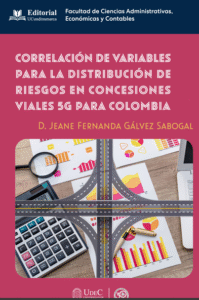
  • Correlation of variables for risk distribution in 5G road concessions for Colombia
    See more
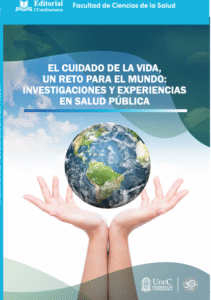
  • Caring for life, a challenge for the world: research and experiences in public health
    See more
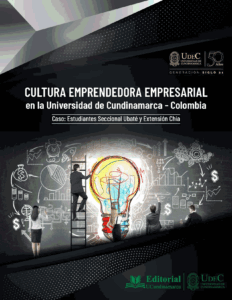
  • Corporate entrepreneurial culture at the University of Cundinamarca - Colombia
    See more
  • Investigative entrepreneurial culture: A case study of graduates in the headquarters, regional sections, and extension centers of the University of Cundinamarca
    See more
  • A Culture of Research-Based Entrepreneurship: The Case of Students and Faculty at the Main Campuses, Branches, and Extension Campuses of the University of Cundinamarca
    See more
  • Finite Differences Introduction and mathematical modeling applied to physics and geosciences problems
    See more
  • Strategic direction for the agro-industrial fruit integration in the Sumapaz province of Cundinamarca
    See more
  • Video game design for the development of numerical thinking
    See more
  • ENJOY EXCURSIONS THROUGHOUT OUR BEAUTIFUL COLOMBIA
    See more
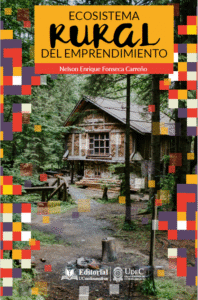
  • Rural Entrepreneurship Ecosystem
    See more
  • PHYSICAL EDUCATION, RECREATION, AND SPORTS DURING THE PANDEMIC AND LOCKDOWN
    See more
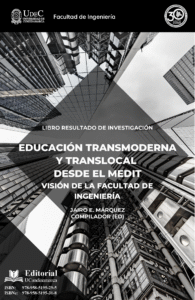
  • Transmodern and Translocal Education from the MEDIT. Faculty of Engineering's Vision
    See more
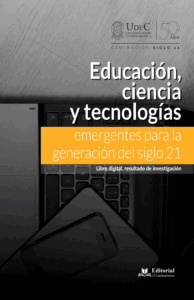
  • Education, Science and Emerging Technologies for 21st Century Generation
    See more
  • The study of function through movement
    See more
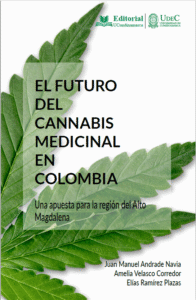
  • The Future of Medical Cannabis in Colombia
    See more
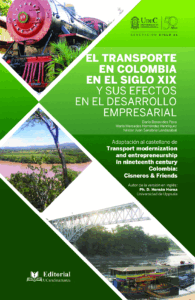
  • Transportation in Colombia in the 19th Century and Its Impact on Business Development
    See more
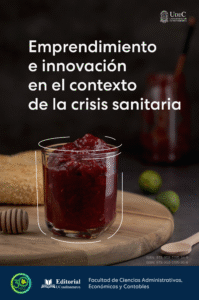
  • Entrepreneurship and Innovation in the Context of the Health Crisis
    See more
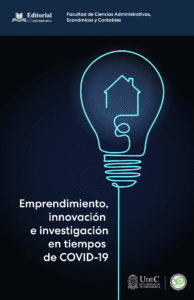
  • ENTREPRENEURSHIP, INNOVATION, AND RESEARCH IN THE TIME OF COVID-19
    See more
  • ENJOY EXCURSIONS THROUGH OUR BEAUTIFUL COLOMBIA
    See more
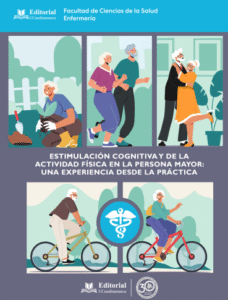
  • Cognitive and Physical Activity Stimulation in Older Adults: An Experience from the Field
    See more
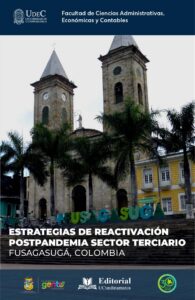
  • Post-Pandemic Reactivation Strategies Tertiary Sector, Fusagasugá, Colombia
    See more
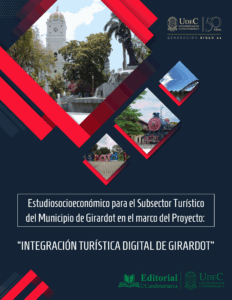
  • Socioeconomic Study for the Tourism Subsector of the Municipality of Girardot
    See more
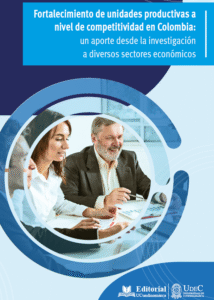
  • Strengthening productive units in terms of competitiveness in Colombia: a contribution from research to diverse economic sectors
    See more
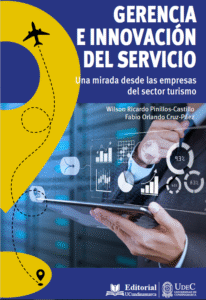
  • Service management and innovation. A perspective from tourism sector companies.
    See more
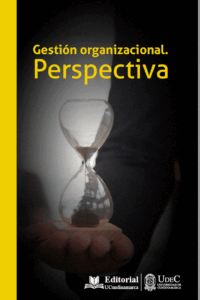
  • Organizational Management Perspective
    See more
  • GUILLERMO QUEVEDO ZORNOZA. Brief notes on his life and work
    See more
  • MESMIS VBA sustainability indicators
    See more
  • PESTICIDE POISONING AND FIRST AID
    See more
  • Inventory of Latin American works for violin and guitar: 20th and 21st centuries
    See more
  • Prospective Research, Innovation and Knowledge Management
    See more
  • Organizational Management in the 21st Century
    See more
  • The music of Francesco da Milano from the Renaissance lute to the guitar: La Batalla Francesa and La canción de las aves
    See more
  • Hands in Action
    See more
  • Basic Applied Financial Mathematics
    See more
  • Methodology for Measuring Sustainability in Peasant Family Agroecosystems
    See more
  • Sampling methodologies and laboratory procedures for research on orchids present in the Sumapaz region – Colombia
    See more
  • Mass of Our Lady of the Miracle. For choir, traditional Colombian Andean trio (one piece with llanero instruments), and piano
    See more
  • Modeling of pedagogical and educational practice. A case study in higher education.
    See more
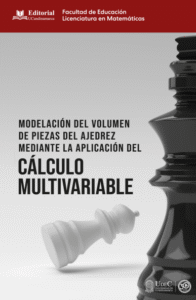
  • Modeling the Volume of Chess Pieces Using Multivariable Calculus
    See more
  • Computational modeling in education. Applications of multimethod simulation modeling
    See more
  • Agro-business integration model for the Sumapaz province in Cundinamarca, Colombia
    See more
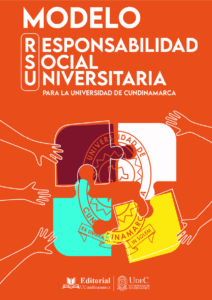
  • Social Responsibility Model at Cundinamarca University. A proposal for the articulation of USR strategies to the Digital Operation Model
    See more
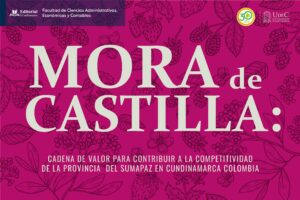
  • CASTILIAN BLACKBERRY: A VALUE CHAIN TO BOOST THE COMPETITIVENESS OF THE SUMAPAZ PROVINCE IN CUNDINAMARCA, COLOMBIA
    See more
  • Motorcyclists and accidents: A perspective from a cultural standpoint
    See more
  • Colombian music on drums. Contemporary languages
    See more
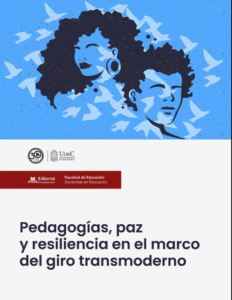
  • Pedagogies, peace, and resilience within the framework of the transmodern turn
    See more
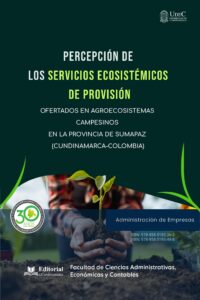
  • Perceptions of Provisioning Ecosystem Services in Smallholder Agroecosystems in the Province of Sumapaz (Cundinamarca, Colombia)
    See more
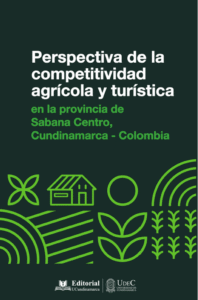
  • Perspective of agricultural and tourism competitiveness
    See more
  • Plants of the Piperaceae Family of the Middle and Lower Western Sumapaz
    See more
  • Research policies and practices in Colombia: Elements for debate
    See more
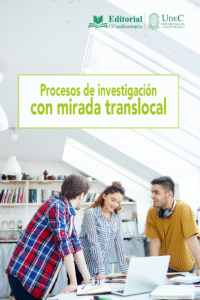
  • Research processes with a translocal perspective
    See more
  • LET'S PROGRESS AS A COMMUNITY SUPPORTED BY SOCIAL COLLABORATION
    See more
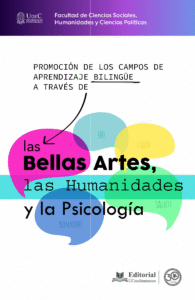
  • Promotion of bilingual learning fields through the Fine Arts, Humanities, and Psychology
    See more
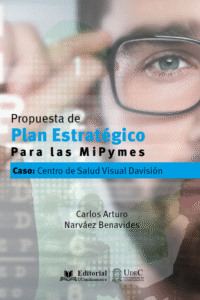
  • Strategic Plan Proposal for MSMEs Case: DAVISION Visual Health Center
    See more
  • Data collection and representation in first grade with Splash. A case study
    See more
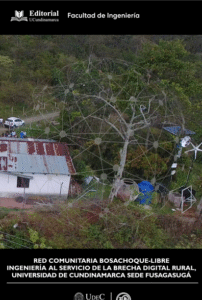
  • BOSACHOQUE-LIBRE COMMUNITY NETWORK: ENGINEERING IN THE SERVICE OF BRIDGING THE RURAL DIGITAL DIVIDE, UNIVERSITY OF CUNDINAMARCA, FUSAGASUGÁ CAMPUS
    See more
  • Solving problems involving geometric inequalities in ninth grade
    See more
  • Colombia's Rural Sector, Health, and Pesticides
    See more
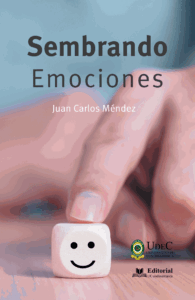
  • Sowing Emotions
    See more
  • Numerical simulation in science. Finite differences and Boltzmann lattice in applied mathematics and physics.
    See more
  • Emerging technologies in higher education. New approaches to dynamic teaching and learning
    See more
  • Didactic transposition for the teaching of advanced mathematics through gamification
    See more
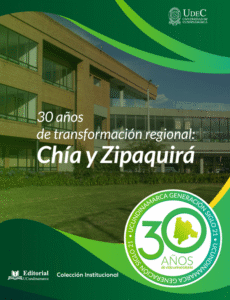
  • 30 years of regional transformation. Chía and Zipaquirá
    See more
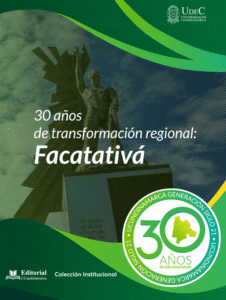
  • 30 years of regional transformation. Facatativá
    See more
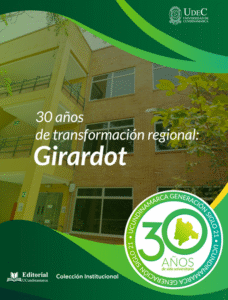
  • 30 years of regional transformation. Girardot
    See more
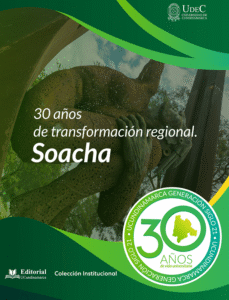
  • 30 years of regional transformation. Soacha
    See more
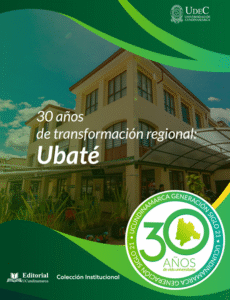
  • 30 Years of Regional Transformation. Ubaté
    See more
  • Cultural Learning Fields (CLF): Living experiences and solving problems
    See more
  • Colonization of Carare Santander Colombia 1953-1957
    See more
  • Innovative Experiences within the MEDIT framework. Faculty narratives
    See more
  • Teaching experiences. Managing learning from the MEDIT
    See more
  • Research in the digital age
    See more
  • The challenges of research in the 21st century. From a translocal and transmodern perspective.
    See more
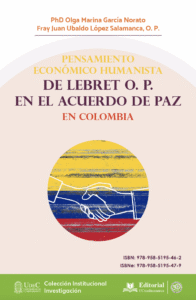
  • LEBRET, O.P.'S HUMANISTIC ECONOMIC THOUGHT IN THE COLOMBIAN PEACE AGREEMENT
    See more
  • Proposals and results of transmodern, translocal and digital research from young researchers
    See more
  • LIVING THE MEDIT – Views and perspectives from the voice of academic peers
    See more

News that unite us, stories that inspire us

Frequently Asked Questions

Last updated: February 3, 2025

A group is recognized as such provided it continuously demonstrates verifiable results from projects and other activities derived from its work plan, and that it also meets the minimum requirements established by Colciencias for its recognition. According to the current 2013 Model for Measuring Research, Technological Development, and/or Innovation Groups, the group must meet the following minimum requirements for recognition:

  1. Be registered in the GrupLAC system of the ScienTI Platform – Colombia in COLCIENCIAS.
  2. Have a minimum of two (2) members.
  3. To have one (1) or more years of existence (declared age).
  4. Be endorsed by at least one (1) institution registered in the InstituLAC system of the ScienTI-Colombia Platform. Previously, the group must have registered its institutional affiliation.
  5. Having a research, technological development or innovation project underway.
  6. The group leader must have an undergraduate, master's, or doctoral degree.
  7. To have a production of new knowledge or results of technological development and innovation activities, in the observation window equivalent to a minimum of one (1) product per year declared of existence.
  8. To have a production of social appropriation and circulation of knowledge or products resulting from activities related to Human Resource Training in STI, in the observation window equivalent to a minimum of one (1) product per year declared of existence.

At UDEC, a research group is formed based on the shared interest of two or more professors, alumni, or administrative staff. The group leader is selected by the group members themselves and must be a faculty member of the institution. Each group member must complete the Colciencias CvLac application, indicating their affiliation with the University of Cundinamarca in their employment information. The leader then creates the group in the GrupLac application and links the members and their research output.

Simultaneously, the Quality Management System form for the core research process, MINr004 (Creation of Research Groups), is completed and submitted to the Faculty Council to which the group belongs for approval. The application is then sent to the Research Development Committee, where the information is verified to grant institutional endorsement through the Colciencias InstituLac application.

The research group is autonomous in the publication process of its research results. This publication can take the form of articles in indexed journals, scientific journals, pamphlets, conference proceedings, presentations, books, and other formats. The aim is to publish as many articles as possible in journals indexed at the highest possible level.

Additionally, each Faculty has its own means of dissemination through printed or digital journals via the following URL: .http://revistas.ucundinamarca.edu.co/

The Higher Council of the University of Cundinamarca established the Cundinamarca Research System in agreement number 002 of March 10, 2008. It contains everything related to the research function and modalities of research groups.

Furthermore, the Research Development Committee approved the Guiding Policies of the Research System in Act No. 015 of December 17, 2013.

Projects can be submitted to internal or external calls for proposals. Regardless of the call, there are terms of reference that establish the requirements, which are published and must be met by the Research Groups interested in participating.


There is another category of projects: those of high institutional interest and priority, which seek to find solutions to problems within the University and/or its surrounding community. These projects can be submitted by the Academic Council, Faculty Councils, Departments, and other institutional bodies, and are presented to the Research Development Committee, which will evaluate them and, if deemed relevant, determine the allocated resources.

Publisher

Publisher

Publisher

Publisher